Bombs that wouldn’t explode, a bike that wouldn’t stay put: Rajasthan’s unique temples
Source Entity
SHREEDHAR RATHI
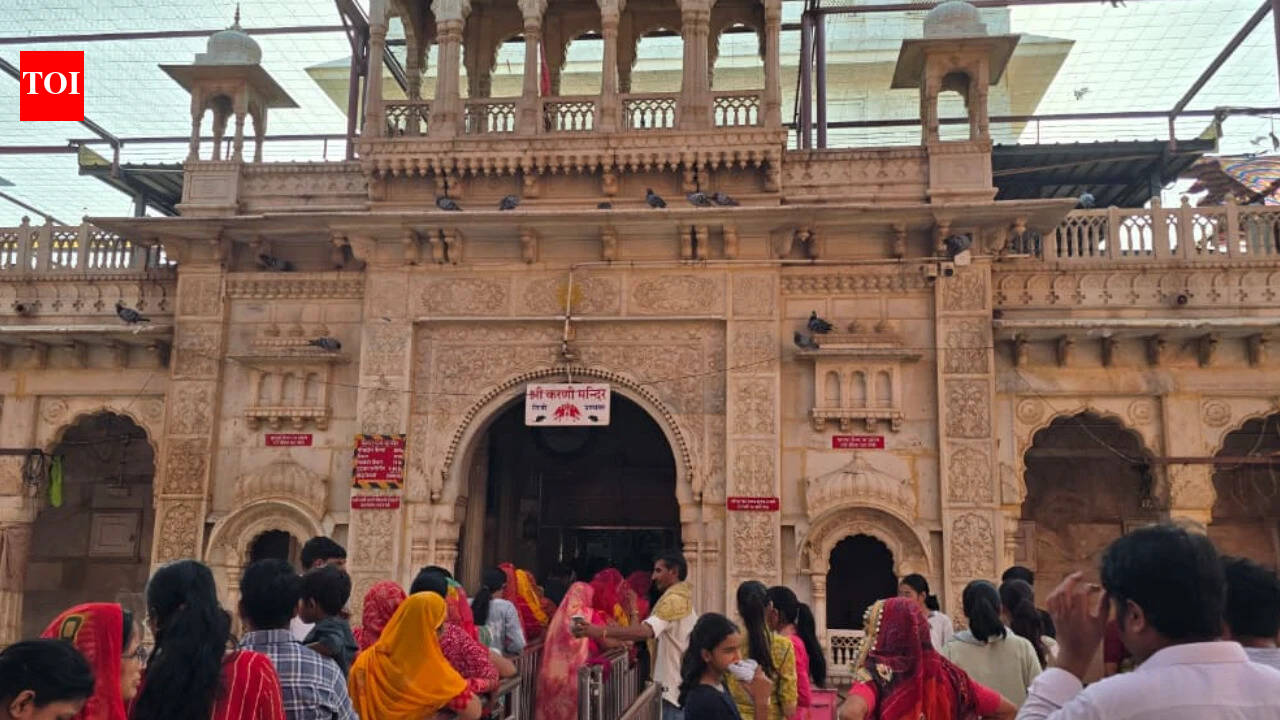
Rajasthan's spiritual landscape is defined by unique shrines that blend folklore, history, and unconventional worship. From sacred rats to a deified motorcycle, these sites reflect the state's deep-rooted cultural syncretism.
The Mystique of Rajasthan: Beyond Royal Forts and Palaces
Rajasthan is globally renowned for its majestic forts and opulent palaces, yet its spiritual landscape offers a far more enigmatic narrative. Beyond the traditional architecture lies a tapestry of faith where the line between the mundane and the divine blurs. These unique shrines serve as cultural anchors, representing how local communities integrate historical anecdotes, survival stories, and folklore into their daily religious practice.
The Karni Mata Temple: A Sanctuary for the Sacred
At the heart of Deshnok lies the Karni Mata Temple, an extraordinary site where approximately 25,000 rats are revered as sacred beings. Known locally as 'Kabas,' these rodents are believed to be reincarnated souls, cared for by devotees who offer them food and protection. This tradition challenges conventional notions of temple sanctity, illustrating a profound environmental and spiritual ethos where every living creature is viewed as a vessel of the divine.
The Legend of Bullet Baba and Military Faith
The Om Banna shrine, or 'Bullet Baba Temple,' represents a fascinating intersection of modern technology and folk religion. Dedicated to a 350cc motorcycle involved in a tragic accident, the shrine has become a place of pilgrimage for travelers seeking safety. Similarly, the Tanot Mata Temple near the border is steeped in military legend; it is widely whispered that the deity protected the region during wartime by ensuring enemy bombs failed to detonate, cementing a bond between the Indian military and regional spiritual devotion.
Healing and Commerce in Spiritual Practice
Rajasthan’s spiritual diversity extends to the Mehandipur Balaji temple, a site synonymous with intense spiritual healing and rituals intended to ward off negative energies. This contrasts with sites like Sanwariya Seth, where the deity is often treated as a partner in business, highlighting a pragmatic approach to faith. These temples are not merely static structures but active participants in the economic and social lives of the people.
Cultural Syncretism and Future Trends
Many of these sites, such as Ramdevra, serve as beacons of cross-religious figures, drawing followers from diverse backgrounds. As Rajasthan continues to modernize, these unique shrines are evolving into significant cultural tourism hubs. The preservation of these traditions provides a window into the resilience of local identity, ensuring that even as technology advances, the ancient, unconventional practices of the desert state remain a vital part of its social fabric.