100% tariff on India? Russia sanctions bill clears key hurdle, final House vote next
Source Entity
ABHISHEK MISHRA
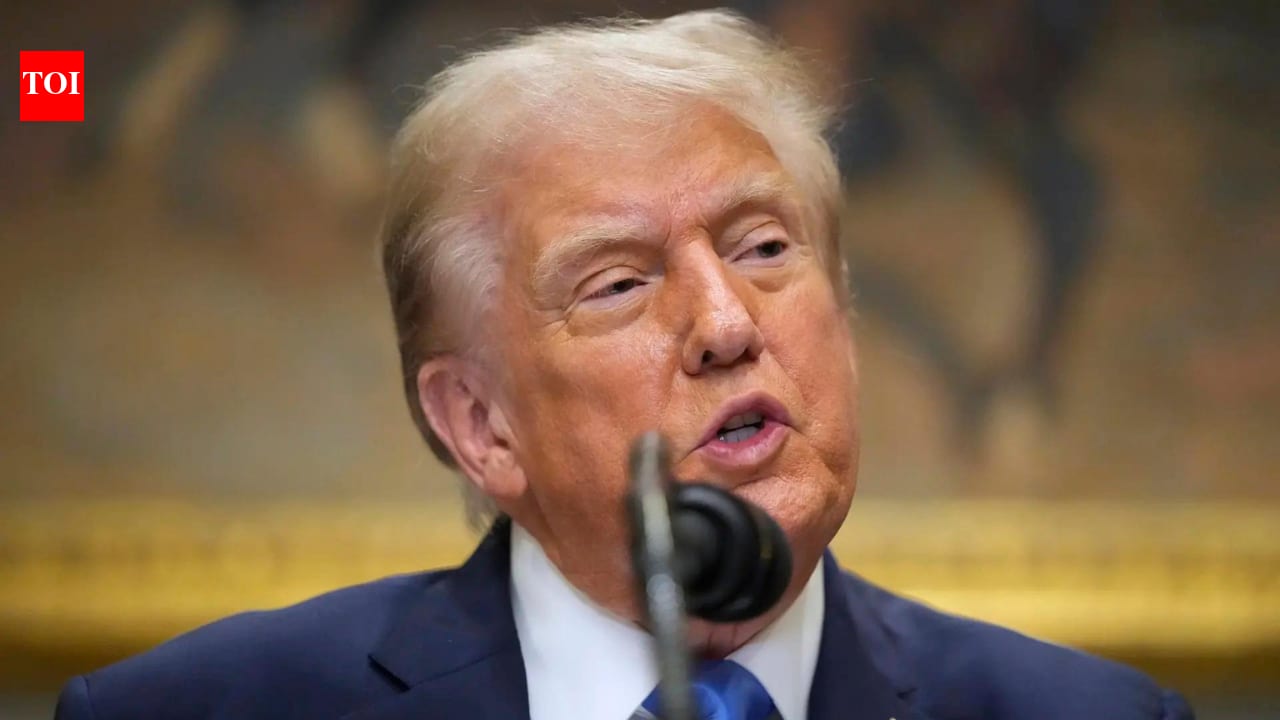
The US Congress has passed the 'Lindsey O. Graham Sanctioning Russia and Iran Act of 2026,' which grants President Trump authority to impose up to 100% tariffs on countries purchasing Russian energy. This legislation directly impacts India, creating significant uncertainty for its future trade relations with the United States.
The Legislative Shift in US-India Trade Dynamics
The passage of the 'Lindsey O. Graham Sanctioning Russia and Iran Act of 2026' by the US House of Representatives marks a pivotal moment in international trade policy. By a vote of 262-159, the House finalized the legislation that had previously cleared the Senate with an 86-11 margin. This bill is not merely a tool for geopolitical signaling; it provides the executive branch with unprecedented legal authority to utilize economic leverage against nations that remain significant buyers of Russian crude oil and natural gas.
The Mechanics of Potential Tariffs
At the core of this legislative development is the authorization for President Donald Trump to levy tariffs of up to 100% on goods originating from countries that sustain energy trade with Russia. For India, a nation that has balanced its energy security requirements with global geopolitical pressures, this presents a severe economic risk. The bill specifically targets the energy sector, aiming to drain the financial resources fueling the ongoing conflict in Ukraine by penalizing the global consumer base of Russian hydrocarbons.
Legislative Hurdles and Political Context
The path to this legislation was marked by intense debate, particularly regarding the expansion of executive power. While the bill cleared a key procedural hurdle on September 15 with a narrow 214-211 vote, the final passage underscores a bipartisan consensus on the urgency of curbing Russian influence. The inclusion of provisions extending sanctions against Iran for an additional five years highlights the broader scope of the Act, which aims to consolidate US foreign policy interests in both Eastern Europe and the Middle East simultaneously.
Implications for Global Energy Markets
The global energy market is braced for volatility as the potential for these 100% tariffs looms. If implemented, such a drastic measure would force major importers to reconsider their energy sourcing strategies. India’s reliance on Russian crude has been a point of contention in diplomatic circles, and this bill serves as the primary mechanism for Washington to enforce its 'America First' trade agenda while pressuring allies and strategic partners to pivot away from Moscow-linked energy supplies.
Future Outlook and Economic Consequences
As the bill awaits the President’s signature, the focus shifts to how the administration will operationalize this new authority. Should the 100% tariff threat be actualized, it would represent one of the most significant trade disruptions in modern history for the Indian economy. The administration’s decision will likely be influenced by a complex interplay of domestic economic protectionism and the broader strategic necessity of weakening Russia’s war chest. Stakeholders globally are now observing whether this legislative tool will be used as a blunt instrument of trade warfare or as a diplomatic lever for negotiations.
Multiple Citing Sources