PM Modi must take responsibility for alleged misappropriation Ram Temple Trust: Rajeev Gowda
Source Entity
India Latest News: Top National Headlines Today & Breaking News | The Hindu
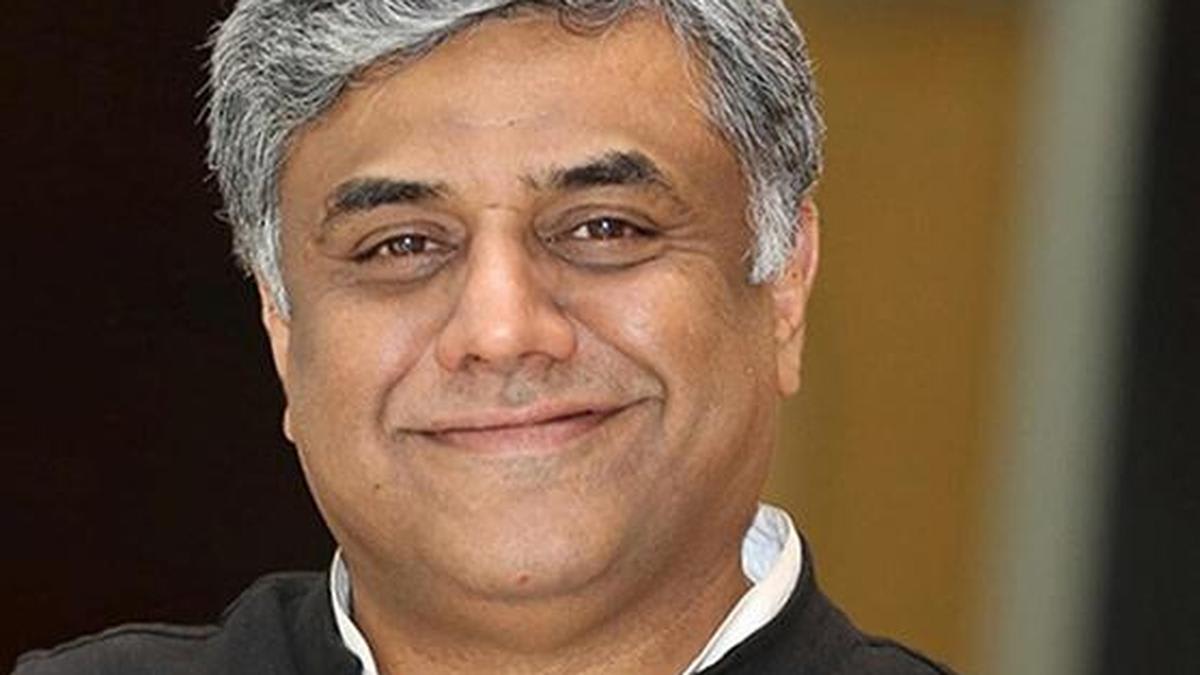
“All the activities related to the temple trust, all the appointments were done through the Union Government, and Home Minister Amit Shah was central to the appointment,” says Professor Gowda
Analysis of Allegations Regarding the Ram Temple Trust
Introduction to the Controversy
Professor Rajeev Gowda has recently ignited a political debate by calling for Prime Minister Narendra Modi to take direct responsibility for alleged misappropriation within the Ram Temple Trust. The core of Gowda's argument rests on the premise that the trust is not an independent entity but one heavily influenced and managed by the central administration. By linking the misappropriation claims directly to the Prime Minister's Office and the Ministry of Home Affairs, Gowda is attempting to shift the narrative from localized administrative failure to a systemic issue of governance and accountability at the highest levels of the Indian government.
The Role of the Union Government in Trust Appointments
According to Professor Gowda, the Union Government played a pivotal role in the selection and appointment of the individuals managing the Ram Temple Trust. Specifically, he highlights the central role of Home Minister Amit Shah in these processes. This claim is significant because it suggests that the operational framework of the trust was designed and staffed by political appointees rather than independent religious or administrative experts. If the appointments were indeed orchestrated by the Home Ministry, any financial irregularities or misappropriations would logically point back to the vetting process and the oversight mechanisms established by the Union Government.
Political and Religious Context
To understand the weight of these allegations, one must consider the immense symbolic and political importance of the Ram Temple. For the ruling Bharatiya Janata Party (BJP), the temple is not merely a place of worship but a realization of a decades-long political promise and a cornerstone of their ideological identity. Consequently, any allegation of 'misappropriation'—whether financial or administrative—strikes at the heart of the government's image of purity and devotion. By targeting the Trust, critics like Gowda are challenging the government's claim that the temple project has been handled with absolute transparency and sanctity.
Broader Implications for Governance
This situation highlights a recurring tension in Indian politics regarding the intersection of state power and religious institutions. When the state takes a leading role in the administration of a religious trust, the line between spiritual governance and political patronage often blurs. Gowda's demand for the Prime Minister to take responsibility reflects a broader demand for accountability in 'high-profile' projects where the government claims total oversight. If the Union Government asserts total control over the appointments, they must, by extension, accept total liability for any failures within that structure.
Predicting Future Trends and Political Fallout
Moving forward, it is likely that these allegations will be leveraged by opposition parties to demand a formal audit or a judicial inquiry into the Trust's finances. We can expect the Union Government to dismiss these claims as politically motivated attacks designed to malign a sacred project. However, if evidence of misappropriation emerges, it could lead to a significant PR crisis for the administration, potentially alienating a segment of their core support base that views the temple as a symbol of incorruptible faith. The discourse will likely shift from the celebration of the temple's architecture to a debate over its administrative integrity.
Conclusion
In summary, Professor Rajeev Gowda's statements move the conversation regarding the Ram Temple Trust from a matter of internal management to a matter of national political accountability. By explicitly naming PM Modi and Amit Shah, Gowda is framing the Trust as an extension of the Union Government. The resolution of these allegations will depend on whether the government chooses to provide transparent documentation of the Trust's activities or continues to treat the administration of the temple as a matter beyond conventional political scrutiny.
Verification Required?