Rajinikanth, a secret Chennai park, and a Gandhi impersonator
Source Entity
India Latest News: Top National Headlines Today & Breaking News | The Hindu
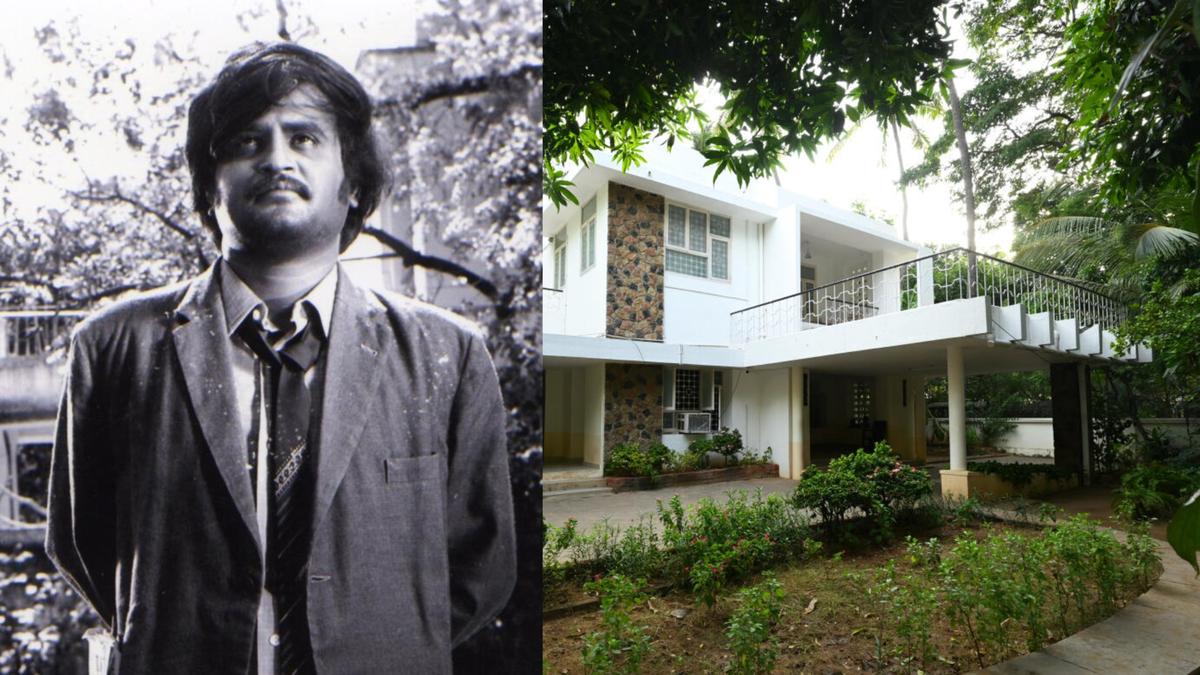
A journalist successfully located the iconic house used in Rajinikanth's 1975 debut film, Apoorva Raagangal, in a quiet Adyar neighborhood. The discovery highlights how cinematic history is preserved in the unassuming streets of Chennai.
The Quest for Cinematic History in Chennai
Journalism often thrives on the serendipitous discovery of stories that exist outside the rigid structure of formal pitches or pre-planned assignments. In this instance, a reporter’s pursuit of a specific piece of Tamil cinema history serves as a testament to the enduring legacy of Rajinikanth, a titan of Indian film. By attempting to locate the filming site of his 1975 debut, Apoorva Raagangal, the investigation highlights the intersection of urban geography and cultural nostalgia.
Tracing the Origins of a Superstar
Apoorva Raagangal, directed by the legendary K. Balachander, is recognized as the definitive starting point for Rajinikanth’s career. The specific scene in question—where a young Rajinikanth strides through a gate to announce his presence—has become an iconic moment in the history of South Indian cinema. Finding this location is not merely an exercise in geography; it is an attempt to touch the physical remnants of a moment that shifted the trajectory of Tamil film forever.
Urban Evolution and Preservation
Located in a quiet, dead-end street in the Adyar neighborhood of Chennai, the house remains a silent witness to the city's cinematic past. While the gate itself has undergone modifications over the nearly five decades since the film's release, the structural integrity of the house remains largely intact. This preservation offers a rare glimpse into the mid-1970s architectural landscape of Chennai, serving as a physical anchor for fans and researchers alike.
The Methodology of Discovery
Unlike investigative journalism that relies on digital archives or official records, this search required the oral histories of old-timers familiar with the neighborhood. This highlights the importance of local knowledge in documenting cultural heritage. By relying on communal memory, the reporter was able to bypass the lack of official documentation regarding specific film sets, proving that the most authentic stories are often guarded by the residents who live alongside them.
Broader Implications for Film Tourism
This discovery underscores the growing trend of 'cinematic tourism' in India, where fans seek to connect with the origins of their icons. For Chennai, a city deeply intertwined with the identity of Tamil cinema, such locations are not just private properties but cultural landmarks. The effort to find this gate reflects a broader societal desire to maintain a tangible connection to the past in an era of rapid urban modernization and digital consumption.
Conclusion
The journey to find the Apoorva Raagangal house serves as a reminder that the history of Indian cinema is woven into the very fabric of cities like Chennai. While the gate may have changed, the spirit of the scene—and the beginning of a cinematic legend—remains embedded in that Adyar street, waiting to be rediscovered by those who appreciate the quiet, historical narratives hidden in plain sight.
Verification Required?