Sehwag smashed 146, Dilshan replied with 160: The forgotten 825-run ODI thriller that was decided on the last ball
Source Entity
Latest News: Todays Latest News Headlines from India & World | Hindustan Times | Hindustan Times
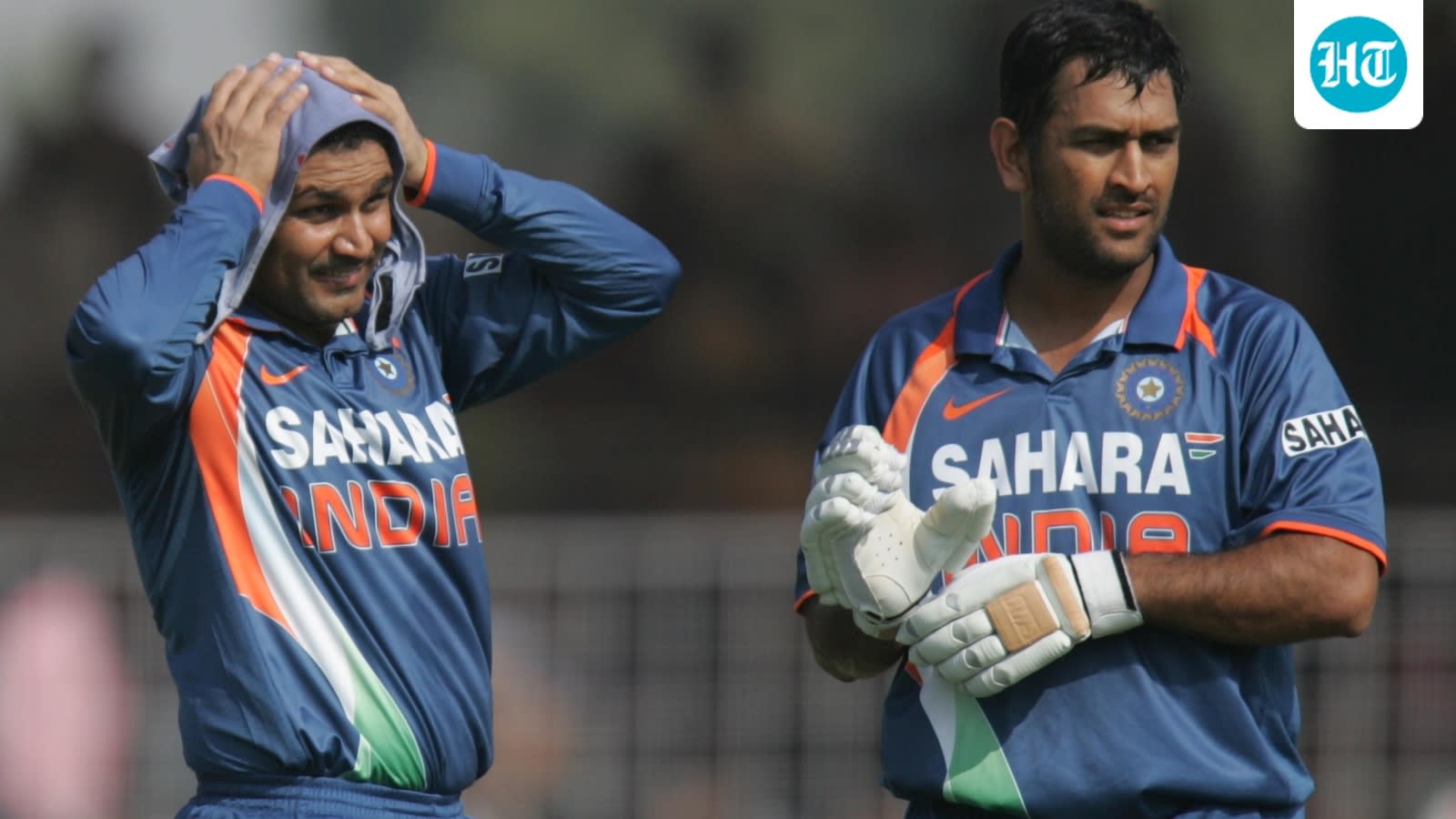
The 2009 Rajkot ODI between India and Sri Lanka remains one of cricket's highest-scoring thrillers, featuring a combined 825 runs. India narrowly defeated Sri Lanka by three runs in a match defined by explosive centuries from Virender Sehwag and Tillakaratne Dilshan.
The Forgotten Epic: Revisiting the Rajkot Run-Fest
In the annals of One Day International (ODI) cricket, certain matches transcend the scorecards to become part of the sport's folklore. While the 2006 Johannesburg clash between Australia and South Africa is frequently cited as the gold standard for high-scoring thrillers, the 2009 encounter in Rajkot between India and Sri Lanka stands as a near-equal feat of offensive dominance that has arguably been overlooked by history.
A Battle of Titans: Sehwag vs. Dilshan
The match was defined by individual brilliance that pushed the boundaries of limited-overs batting. Virender Sehwag set the tone for India, dismantling the Sri Lankan bowling attack with a blistering 146. Not to be outdone, Tillakaratne Dilshan responded with a masterful 160, keeping Sri Lanka in the hunt throughout their mammoth chase. These two performances remain the heartbeat of a game that saw a combined total of 825 runs scored across 100 overs.
The Pressure of the 400-Run Threshold
India posted a formidable 414 for seven, a total that historically signaled a near-certain victory. However, the nature of modern ODI cricket, even 16 years ago, was shifting. Sri Lanka’s reply of 411 for eight showcased a level of resilience rarely seen in run chases of this magnitude. The momentum was further amplified by Kumar Sangakkara, whose explosive 90 off just 43 balls ensured that the required run rate never spiraled out of control, keeping the contest alive until the very last delivery.
Contextualizing the Narrow Margin
To lose a match by a mere three runs after scoring 411 is a testament to the fine margins that define elite cricket. The fact that a target of 415 remained mathematically reachable until the final ball of the innings highlights the sheer volatility of the Rajkot pitch and the aggressive intent of both batting lineups. This match serves as a crucial case study in how momentum shifts can sustain a high-scoring game even when one side appears to have the upper hand.
Legacy and Historical Impact
While the Rajkot game may not occupy the same space in public memory as the 434-438 game, its significance in the evolution of ODI batting cannot be overstated. It proved that 400-run totals were no longer safe, forcing teams to reconsider their defensive strategies and bowling rotations. Even 16 years later, the match serves as a reminder of an era where top-order aggression and middle-order acceleration reached unprecedented heights.
Conclusion
The Rajkot thriller remains a legendary artifact of cricket history. By analyzing the 825 runs scored, we gain insight into a pivotal moment where the sport began to embrace the high-scoring, high-stakes environment that defines the modern game today.
Verification Required?