Rajkummar Rao’s Shahid finds a streaming home after 13 years; Apurva Arani asks ‘why now?’
Source Entity
The Indian Express
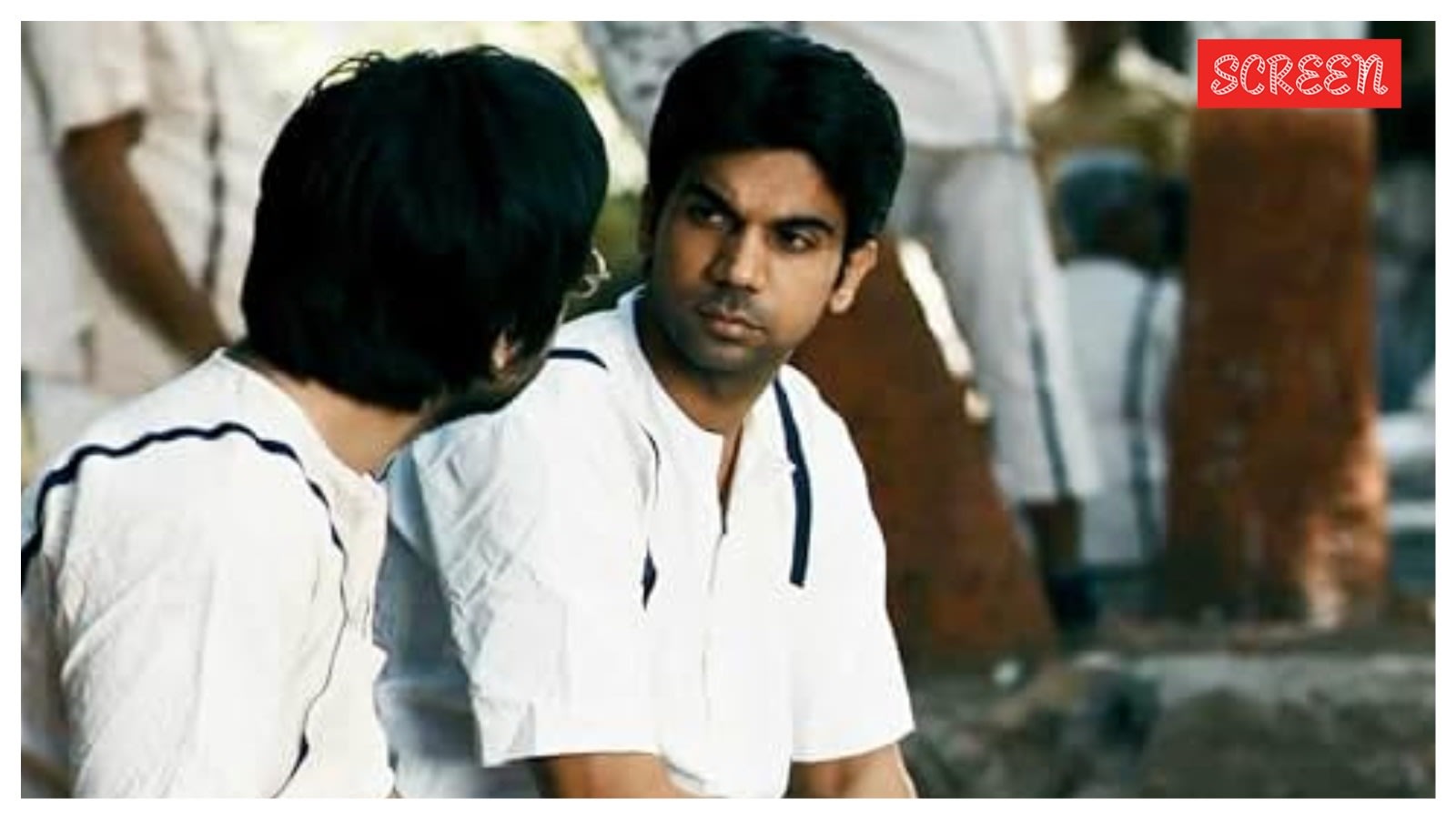
Hansal Mehta’s critically acclaimed film 'Shahid' has finally arrived on Prime Video 13 years after its release. Despite its legacy and National Award wins, the delayed digital debut sparked questions from co-writer Apurva Asrani regarding the timing of its streaming availability.
The Long-Awaited Digital Debut of Shahid
Hansal Mehta’s 2013 courtroom drama, Shahid, has finally made its way to a major streaming platform, Prime Video India, marking a significant milestone for a film that has long been considered a cult classic of modern Indian cinema. Starring Rajkummar Rao as the titular lawyer Shahid Azmi, the film depicts the harrowing and inspiring journey of a man who defended individuals wrongly accused under terror laws in the aftermath of the 1992 Mumbai riots. Despite its profound impact and historical significance, the film’s transition to a mainstream digital home took 13 years, a delay that has prompted industry scrutiny.
A Legacy of Critical Acclaim
When Shahid premiered at the Toronto International Film Festival in 2012, it was met with widespread critical acclaim for its raw, unflinching portrayal of justice and human rights. Produced on a modest budget of just Rs 35 lakh, the film defied the odds of the commercial industry. Its subsequent theatrical release in 2013 solidified the partnership between director Hansal Mehta and actor Rajkummar Rao, leading both to win the prestigious National Film Awards for Best Director and Best Actor, respectively. This recognition cemented the film's status as a landmark project in Indian independent cinema.
The Question of Timing
The arrival of the film on streaming services has been met with both celebration and confusion, most notably from its co-writer and editor, Apurva Asrani. Taking to his social media handle on X, Asrani publicly questioned the timing of this release, asking, “Why now?”. This inquiry highlights a broader frustration within the creative community regarding the distribution hurdles faced by smaller, high-impact films that often struggle to find consistent visibility in the digital era despite their established critical pedigree.
Contextualizing the Narrative
At its core, Shahid is not just a biopic; it is a commentary on the judicial system and the fight for due process in a climate often fraught with sociopolitical tension. Asrani’s comments emphasize that the film’s themes—which center on fighting for those marginalized by terror laws—remain as relevant today as they were during the film’s production. By finally reaching a global streaming audience, the film is afforded a second life, allowing a new generation of viewers to engage with the legacy of Shahid Azmi.
Broader Implications for Independent Cinema
The delayed digital availability of Shahid serves as a case study for the challenges faced by independent filmmakers in India. While the film achieved the highest honors possible in the country, the gap between its theatrical release and its digital accessibility suggests a complicated ecosystem for content rights and distribution. As the industry continues to pivot toward streaming, the case of Shahid raises important questions about how legacy content is preserved, archived, and eventually presented to the public.
Future Trends and Conclusion
The eventual streaming debut of Shahid confirms that high-quality, narrative-driven cinema eventually finds its audience, regardless of the timeline. Moving forward, it is likely that platforms will increasingly look to acquire such 'prestige' titles to bolster their libraries, recognizing that films with enduring cultural relevance provide long-term value. While the delay remains a point of contention for those involved in its creation, the availability of the film on Prime Video is a victory for viewers who have waited over a decade to access this essential piece of Indian cinematic history.