Ram Kapoor says he was ‘happy, super thrilled’ about father’s death: ‘His pain was over’
Source Entity
The Indian Express
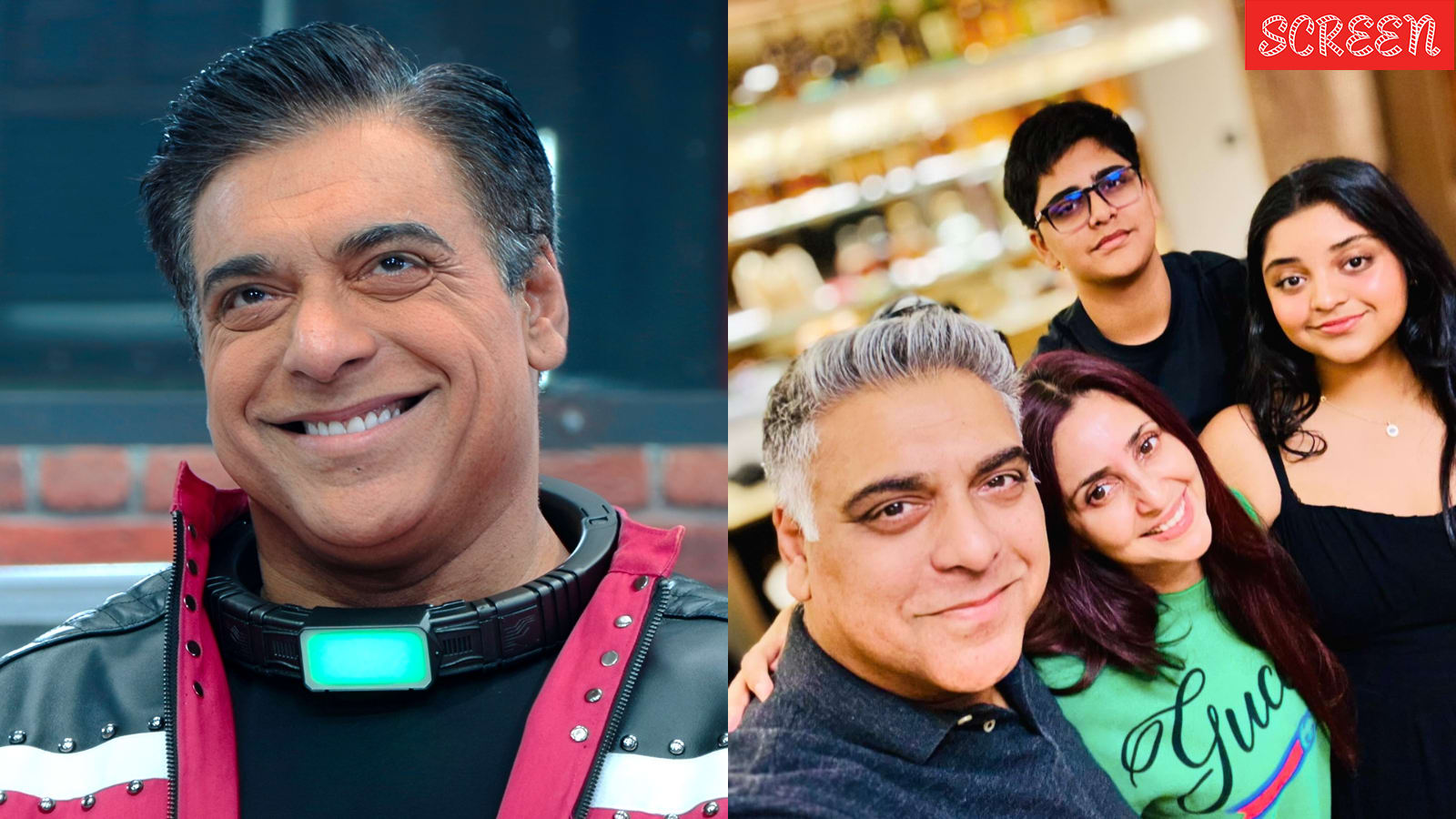
Actor Ram Kapoor recently shared his emotional journey of caring for his father during his final battle with cancer. He expressed that his relief upon his father's passing stemmed from the knowledge that his father's pain had finally ended.
A Personal Reflection on Loss and Caregiving
Actor Ram Kapoor, widely recognized for his iconic role in Bade Acche Lagte Hain and his recent appearance on the reality series Lock Upp, has shared a poignant and deeply personal account of his father’s final days. In a recent interview, the actor opened up about the grueling experience of being a primary caregiver during his father’s terminal battle with cancer. This revelation provides a rare, vulnerable glimpse into the life of a public figure, moving beyond the glitz of the entertainment industry to address the universal and somber reality of end-of-life care.
The Burden of Caregiving
For many, the role of a caregiver is both physically and emotionally taxing, often leaving little space for the individual to process their own grief while the crisis is unfolding. Ram Kapoor noted that during his father's illness, he was operating on a form of autopilot, focused entirely on the immediate needs of his parent. He admitted that he did not have the time or the mental bandwidth to process the gravity of the situation at the time. It was only after his father passed away that the full weight of the experience began to settle in, leading to a profound shift in his perspective on life and death.
Finding Relief in Finality
One of the most striking aspects of Kapoor's recollection is his admission that he felt "happy" and "super thrilled" upon his father's passing. While such emotions might be misinterpreted by those who have not navigated the complexities of terminal illness, Kapoor clarifies that this sentiment was rooted in empathy. Knowing that his father had been suffering immensely, the actor found peace in the fact that the cycle of physical pain had finally concluded. This highlights the bittersweet intersection of love and relief that many families encounter when watching a loved one endure chronic suffering.
Redefining Personal Capacity
Beyond the emotional toll, the experience served as a catalyst for personal growth. Kapoor reflected on his own capabilities, noting, "I didn’t know that I could do it." This speaks to the hidden strength that individuals often discover when thrust into extreme circumstances. Caring for a parent is a transformative process that often forces a shift in the parent-child dynamic, requiring the son or daughter to take on a role of support and authority that they previously might have felt ill-equipped to handle.
The Impact on Professional and Personal Life
While Ram Kapoor is celebrated for his professional achievements on screen, these personal revelations ground his public persona in a reality that resonates with many of his fans. The experience of navigating a parent's cancer journey is a life-altering event that influences an individual's worldview, priorities, and emotional resilience. By sharing his story, Kapoor contributes to a larger conversation about the necessity of supporting caregivers and the importance of finding closure in the wake of profound loss.
Conclusion: The Legacy of Empathy
Ultimately, Ram Kapoor's candid discussion serves as a reminder that behind the cameras and the accolades, actors are individuals navigating the same human experiences of grief, duty, and eventual acceptance as anyone else. His journey through his father's illness underscores the profound impact of caregiving, suggesting that while the process is one of the most difficult phases of life, it also offers a unique opportunity to provide dignity and comfort to those we love in their final moments.