Ram temple donation 'theft' a disgrace; we feel humiliated: Nripendra Mishra
Source Entity
India Latest News: Top National Headlines Today & Breaking News | The Hindu
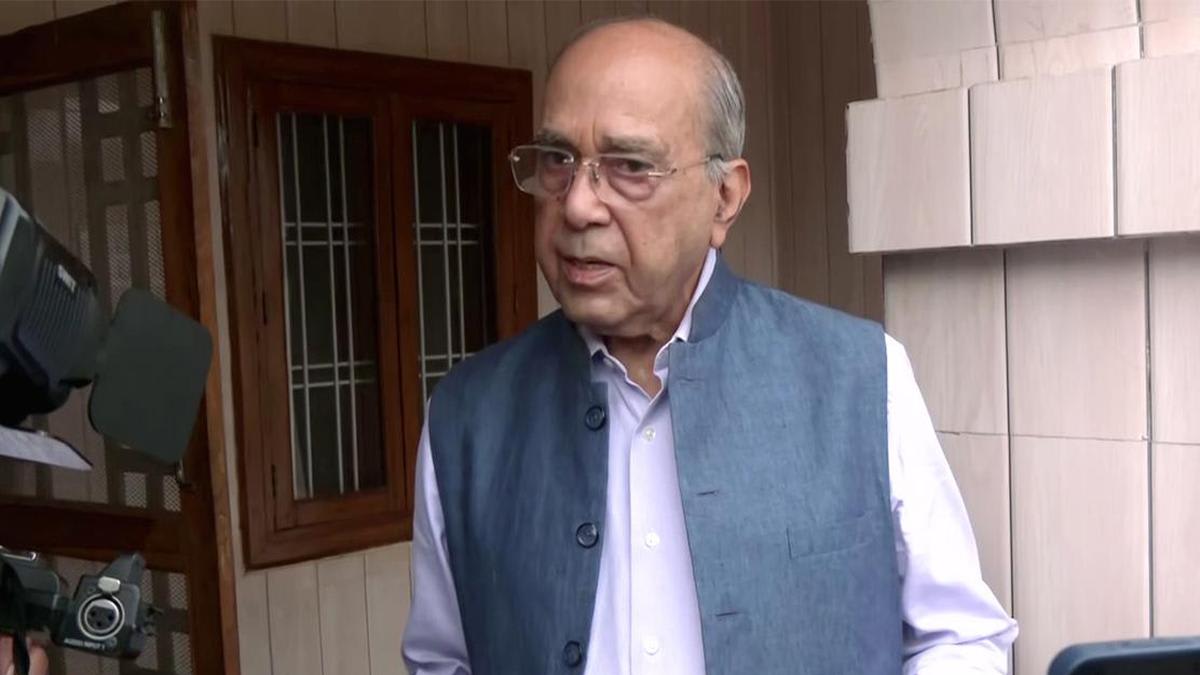
Ram Temple Construction Committee Chairman Nripendra Mishra said a high-level committee has been set up to suggest a suitable name
Integrity and Faith: Analyzing the Ram Temple Donation Scandal
The Shock of Betrayal
The recent declaration by Nripendra Mishra, Chairman of the Ram Temple Construction Committee, describing the theft of donations as a "disgrace" and expressing a sense of "humiliation," highlights a critical intersection of faith, finance, and public trust. For a project as symbolically potent as the Ram Temple in Ayodhya, the theft of funds is not merely a criminal act of embezzlement but is perceived as a spiritual transgression. Because the donations were contributed by millions of devotees—many of whom gave small sums out of deep personal devotion—the emotional weight of this theft far outweighs the actual monetary value lost.
The Psychology of Public Humiliation
Mishra's use of the word "humiliated" is particularly telling. In the context of Indian socio-political dynamics, the Ram Temple is more than a construction project; it is a centerpiece of national and cultural identity. For the leadership of the construction committee, the inability to secure funds contributed in good faith represents a systemic failure that reflects poorly on their stewardship. This sense of humiliation stems from the perceived breach of the sacred trust between the organizers and the global Hindu diaspora, suggesting that the administrative safeguards were insufficient to protect the offerings of the faithful.
Institutional Response and the High-Level Committee
In an effort to mitigate the damage and restore confidence, the announcement of a high-level committee to investigate the theft serves as a necessary institutional safeguard. The formation of such a body indicates that the committee recognizes the need for a formal, transparent audit and a rigorous investigation into how the security breach occurred. This move is designed to signal to the public that the leadership is taking the "disgrace" seriously and is committed to identifying the perpetrators, whether they were internal actors or external opportunists.
The Complexity of Large-Scale Faith-Based Fundraising
This incident underscores the immense logistical and ethical challenges associated with managing massive, decentralized fundraising campaigns. When a project attracts global attention and contributions from millions of diverse sources, the sheer volume of transactions can create vulnerabilities in financial oversight. The "theft" mentioned by Mishra likely points to a gap in the chain of custody or a failure in digital/physical accounting. This event serves as a cautionary tale for other large-scale religious or social projects on the necessity of implementing stringent, real-time auditing processes to prevent the exploitation of donor generosity.
Historical Context and Symbolic Weight
The Ram Temple project has been the subject of decades of legal battles and intense emotional investment. Given this history, any scandal involving the project's management is magnified. The theft occurs against a backdrop of immense national pride and religious fervor, meaning the fallout is not just administrative but political. The leadership must navigate this crisis carefully to ensure that the scandal does not overshadow the spiritual significance of the temple's completion or provide ammunition to political critics regarding the management of the trust.
Future Implications for Religious Governance
Moving forward, this event is likely to trigger a shift toward greater digitalization and transparency in how religious trusts handle donations. We can predict a move away from traditional collection methods toward blockchain-based tracking or more rigorous third-party audits to ensure that every rupee is accounted for. The "humiliation" felt by Nripendra Mishra and his committee will likely act as a catalyst for reforming the governance structures of the Ram Temple trust, setting a new standard for accountability in faith-based organizational management in India.
Conclusion
The theft of donations for the Ram Temple is a stark reminder that even the most sacred projects are susceptible to human greed and systemic failure. While the establishment of a high-level committee is a positive first step toward rectification, the ultimate goal will be the restoration of the devotees' trust. The resolution of this "disgrace" will depend on the committee's ability to provide a transparent account of the loss and implement foolproof mechanisms to ensure such a breach never recurs.
Verification Required?