Ram Temple Trust invites application for CEO position amid donation row
Source Entity
TOI NEWS DESK
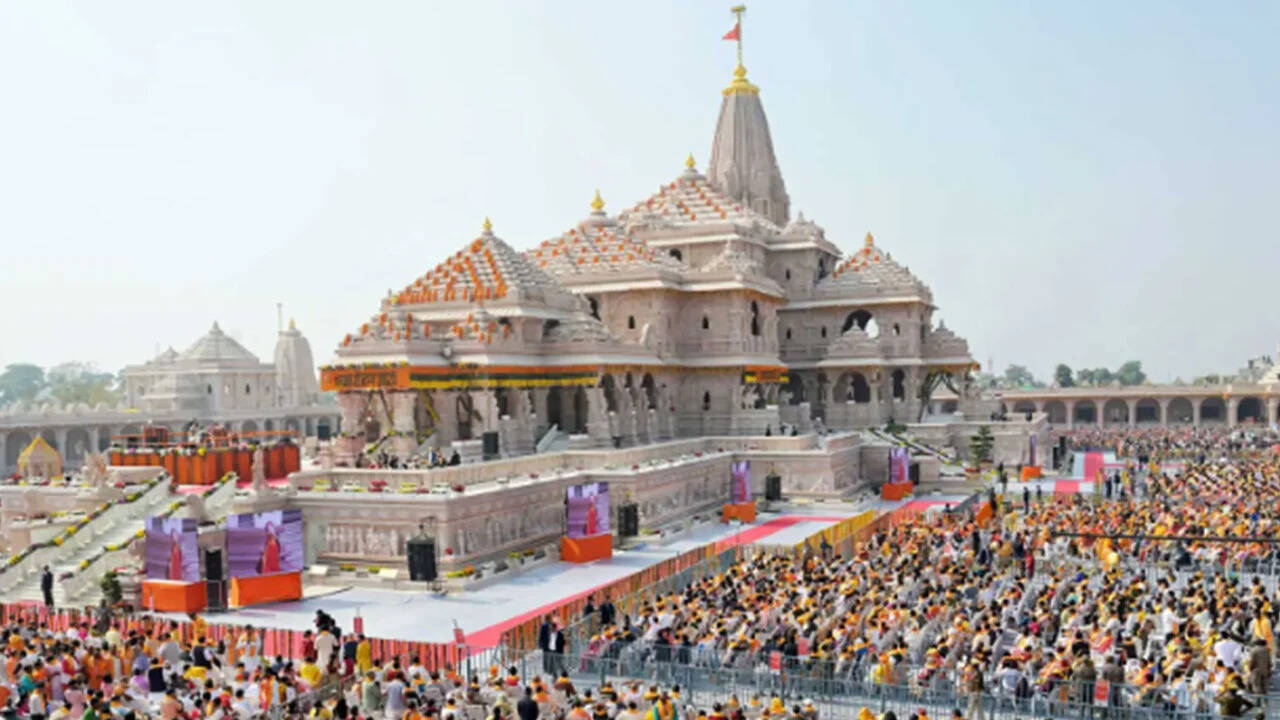
The Ram Temple Trust is actively seeking a chief executive officer to oversee temple management. Interested candidates must submit their applications by July 18 for this key leadership position. This recruitment initiative unfolds under the Supreme Court’s investigation into alleged misappropriation of donations. The appointed CEO will be responsible for daily operations and will be based in Ayodhya, with the selection process anticipated to wrap up in the coming month.
Strategic Leadership Amidst Legal Turmoil: The Ram Temple Trust CEO Search
The Ram Temple Trust has officially opened applications for the position of Chief Executive Officer (CEO), a move that signals a transition toward professionalized management for one of India's most significant religious landmarks. This recruitment drive, with a deadline of July 18, is not merely a routine administrative hire but a strategic step taken during a period of intense scrutiny. The search for a qualified leader to oversee daily operations in Ayodhya comes at a critical juncture where the trust must balance its spiritual mission with rigorous administrative accountability.
Professionalizing Temple Management
The decision to appoint a CEO highlights the immense scale of the Ram Temple project. Managing a site of such global prominence requires more than traditional clerical oversight; it demands expertise in logistics, crowd management, infrastructure maintenance, and financial auditing. By seeking a professional executive, the Trust aims to streamline the daily operations in Ayodhya, ensuring that the temple functions as a sustainable institution. This shift toward a corporate-style management structure is likely intended to modernize the trust's approach to governance, moving away from ad-hoc decision-making toward a systematic operational framework.
The Shadow of the Donation Controversy
Crucially, this recruitment is unfolding against the backdrop of a Supreme Court investigation into the alleged misappropriation of donations. In any public or religious trust, the management of funds—especially those contributed by millions of devotees—is a matter of extreme public interest and legal sensitivity. The Supreme Court's involvement indicates that the allegations are significant enough to warrant judicial oversight. The timing of the CEO search suggests that the Trust may be attempting to install a neutral, professional administrator who can implement transparent financial protocols and cooperate effectively with the court's probe.
Navigating Judicial and Public Scrutiny
The intersection of faith, finance, and the law creates a complex environment for the incoming CEO. The successful candidate will not only be responsible for the physical and spiritual upkeep of the temple but will also serve as the primary point of accountability during the ongoing legal investigation. The ability to reconcile the Trust's internal objectives with the external requirements of the Supreme Court will be the primary challenge. This appointment could be viewed as a "corrective measure," aimed at restoring public confidence by replacing potentially opaque management styles with professional transparency.
Broader Implications for Religious Trusts in India
This event reflects a broader trend in India where large religious endowments are facing increased pressure to adopt corporate governance standards. As donations scale into billions of rupees, the "trustee model" is often found lacking in the face of modern auditing requirements. The Ram Temple Trust's move toward a CEO model sets a precedent for other major shrines, suggesting that the future of religious administration in India will likely lean toward a hybrid model: spiritual guidance provided by a board of priests or trustees, while operational and financial execution is handled by professional executives.
Conclusion and Future Outlook
In summary, the appointment of a CEO for the Ram Temple Trust is a pivotal move aimed at stabilizing the organization amidst a legal storm. By focusing on professional management and operational efficiency, the Trust hopes to navigate the Supreme Court's investigation and clear the air regarding donation misappropriation. The success of this initiative will depend on the transparency of the selection process and the ability of the new CEO to implement rigorous financial safeguards. Moving forward, this transition could transform the trust into a model of modern religious administration, blending devotion with disciplined governance.