It’s not just Hormuz. Another war is providing fresh price shocks to fuel and food.
Source Entity
Claudia Assis
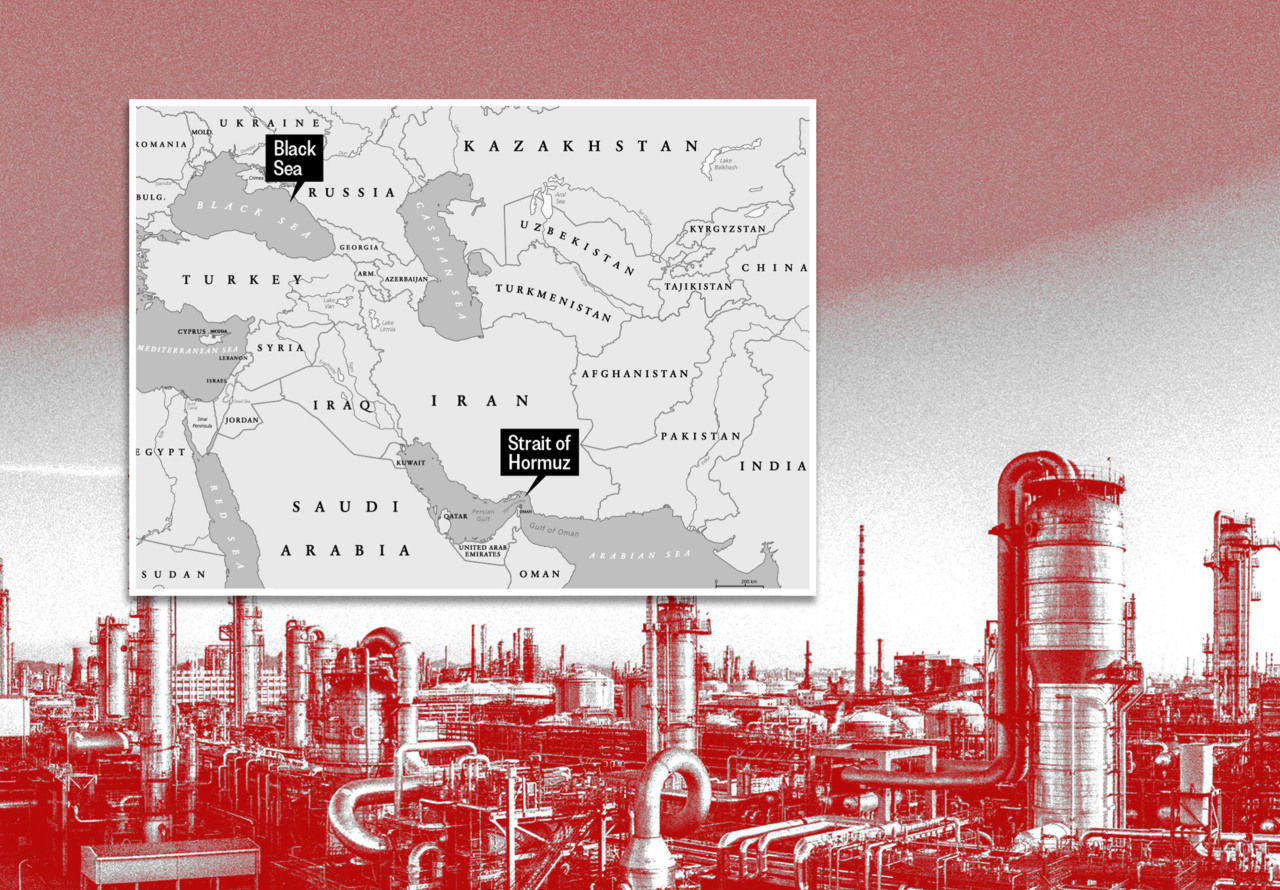
Record-high diesel prices exceeding $6 per gallon are driving inflation across the U.S. economy. Supply disruptions linked to conflicts in Ukraine and the Middle East are causing significant cost increases for essential sectors like transportation and agriculture.
The Economic Ripple Effect of Record Diesel Prices
The global economy is currently facing a volatile period as diesel prices in the United States have officially surpassed $6 per gallon for the first time in history. This unprecedented surge is not an isolated incident but a direct consequence of geopolitical instability, specifically the concurrent conflicts involving Ukraine and Iran. As these tensions escalate, they have created a bottleneck in fuel supplies, leading to a ripple effect that is fundamentally altering transportation costs and consumer prices.
The Ubiquity of Diesel in the Supply Chain
Industry analysts have long noted that "diesel touches everything in the economy." Unlike gasoline, which is primarily used for personal commuting, diesel is the lifeblood of the global supply chain. It powers the heavy-duty trucks that move goods across the country, the tractors that cultivate our food, and the machinery essential for industrial manufacturing. Because diesel is so deeply embedded in the logistics of daily life, the current price spike acts as a hidden tax on every consumer good, from produce in the grocery store to household appliances.
Geopolitical Drivers of Supply Disruption
The current crisis is fueled by a "perfect storm" of supply-side shocks. The conflict in Ukraine has long disrupted energy markets, but the recent, sharp escalation in fighting between the United States and Iran has compounded these pressures. This instability has caused crude oil futures to breach the $100 per barrel threshold for the first time since May, with a 20% gain in September alone. These international hostilities have made the global oil market highly reactive, ensuring that any news of further conflict immediately translates to higher prices at the pump.
Impact on Agriculture and Logistics
Perhaps the most concerning aspect of this surge is its impact on the agricultural sector. Farmers are currently paying roughly 63% more to fuel their tractors and machinery compared to this time last year. In states like California, which serves as a primary hub for American agricultural production, prices have soared to nearly $8 per gallon. This massive increase in operating costs for farmers is inevitably passed down to the consumer, creating a feedback loop of rising food prices that exacerbates existing inflationary pressures.
Broader Implications and Future Outlook
Looking ahead, the reliance on diesel means that the economy remains vulnerable to any further escalation in the Middle East or Eastern Europe. The current situation highlights a dangerous fragility in global supply chains that are highly sensitive to energy volatility. Until these geopolitical tensions subside or alternative fuel logistics are stabilized, businesses and households should prepare for sustained inflationary pressure. As transportation costs remain elevated, the cost of living index is likely to continue its upward trajectory, challenging both corporate profit margins and household budgets well into the coming months.
Multiple Citing Sources
Verification Required?