Reelful’s AI turns your camera roll into short-form videos for social media
Source Entity
Aisha Malik
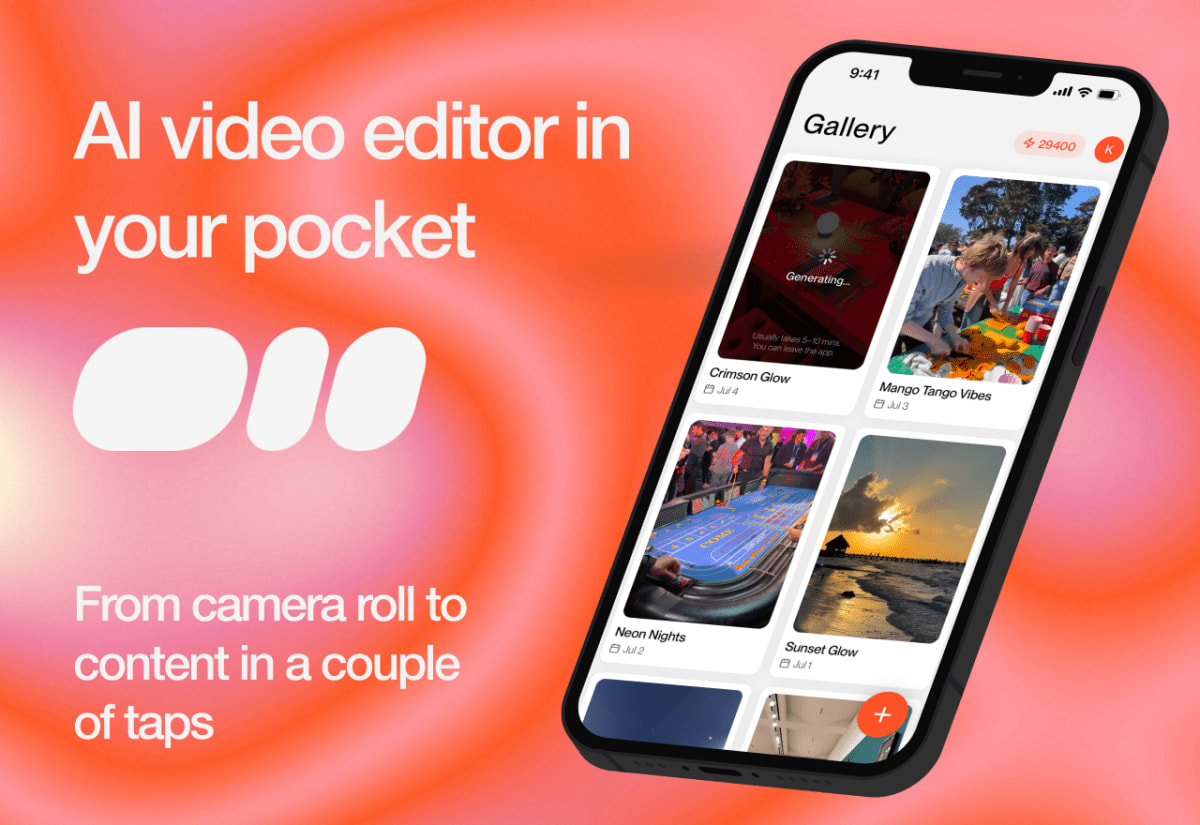
Reelful has launched an AI-powered application that automates the creation of short-form social media videos by transforming a user's camera roll into polished content, targeting users who find professional editing tools too complex.
The Automation of Storytelling: Analyzing Reelful’s AI Video Integration
In the current digital landscape, the dominance of short-form vertical video—driven by platforms like TikTok, Instagram Reels, and YouTube Shorts—has created an unprecedented demand for constant content production. However, a significant gap exists between the desire to share visual stories and the technical proficiency required to edit them. Reelful enters this market by leveraging artificial intelligence to bridge the "editing barrier," transforming a static camera roll into dynamic, shareable social media content without requiring the user to master complex timelines or keyframes.
Simplifying the Creator Workflow
Traditional video editing, even through mobile-first apps, often requires a steep learning curve involving trimming, syncing audio to visual beats, and managing transitions. Reelful’s AI-driven approach shifts the burden of production from the human creator to the algorithm. By analyzing the existing media in a user's camera roll, the AI can likely identify high-impact moments, curate the most visually appealing clips, and assemble them into a cohesive narrative. This automation is critical for "casual creators" and small business owners who need a professional aesthetic but lack the time or budget for dedicated video editors.
The Democratization of Content Creation
Historically, high-quality video production was the exclusive domain of those with expensive software and specialized training. The first wave of democratization came with user-friendly apps like CapCut, but these still required manual effort. Reelful represents the next evolution: the shift from "user-assisted" editing to "AI-generated" assembly. By lowering the entry barrier, Reelful allows a broader demographic of users to participate in the creator economy, ensuring that the quality of the final output is determined more by the quality of the captured moments than by the technical skill of the editor.
Broader Implications for Social Media Consumption
As tools like Reelful make content creation instantaneous, we can expect a significant surge in the volume of short-form videos flooding social feeds. This shift may lead to a new era of "hyper-documented" lives, where every minor event is automatically converted into a polished montage. While this increases engagement, it also pushes platforms toward more sophisticated AI discovery algorithms to help users filter through the noise. The ability to turn a camera roll into a video in seconds transforms the smartphone from a mere recording device into an automated production studio.
Future Trends in AI Video Synthesis
Looking forward, the trajectory of tools like Reelful will likely move toward deeper semantic understanding. Future iterations may not only cut clips based on visual cues but also analyze the emotional tone of the images to suggest specific music genres or generate AI-driven captions and voiceovers that match the mood of the footage. We may see a transition where AI doesn't just assemble existing footage but suggests which photos the user should have taken to complete a trending narrative, creating a feedback loop between capture and creation.
Conclusion
Reelful’s AI tool is more than just a convenience; it is a response to the accelerating pace of social media consumption. By removing the friction associated with traditional editing, it empowers the average user to maintain a consistent digital presence. As AI continues to refine its ability to understand visual storytelling, the boundary between amateur snapshots and professional-grade social content will continue to blur, fundamentally altering how we document and share our lives online.