Political donors could face tougher residency rules
Source Entity
BBC News
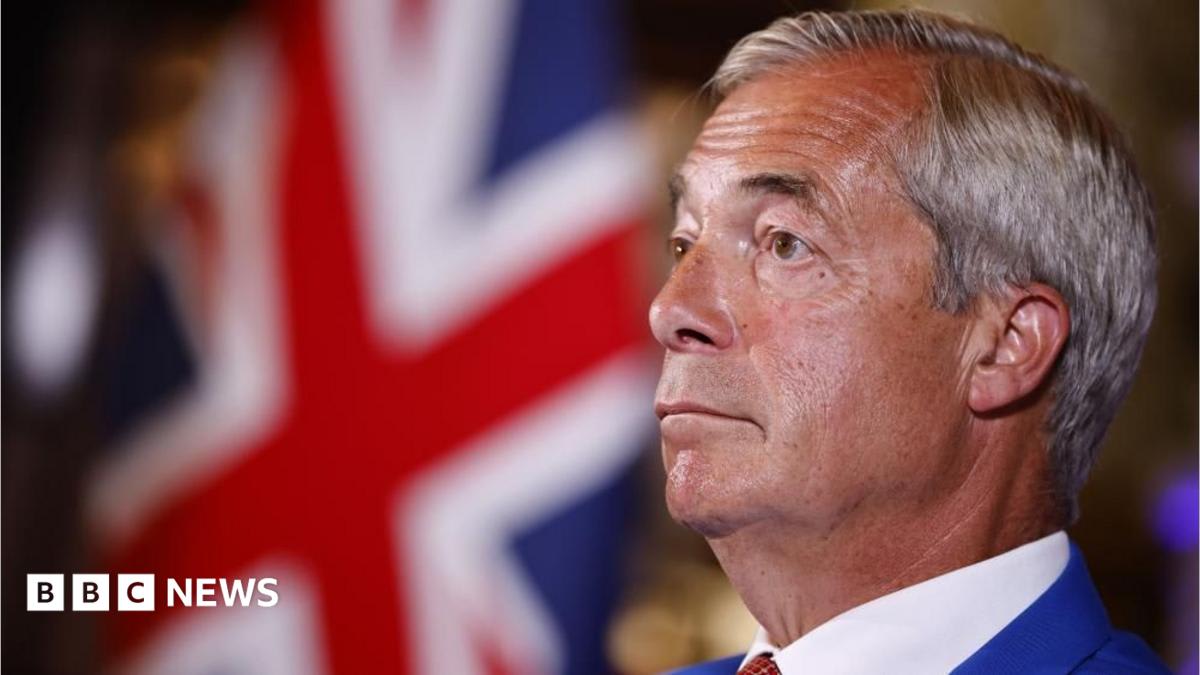
Reform UK's receipt of £72 million from two British billionaires has ignited a heated debate over campaign finance reform. The UK government is currently pushing for new legislation to cap donations from overseas citizens and strengthen residency requirements.
The Financial Catalyst: Reform UK and the £72 Million Question
The recent influx of £72 million into Reform UK’s coffers from two British billionaires—specifically identified as Delo and Harborne—has sent shockwaves through Westminster. This substantial financial injection has acted as a catalyst, forcing an urgent national conversation regarding the intersection of wealth, influence, and the integrity of the British electoral process. By highlighting the sheer scale of modern political funding, this event has brought the long-standing debate over how political parties are financed to the forefront of the public agenda.
The Current Regulatory Landscape
Under the existing legislative framework, there is effectively no ceiling on the amount an individual can contribute to a political party, provided the donor is a registered voter in the United Kingdom. This rule applies regardless of whether the donor is physically residing in Britain or abroad. This current state of play allows for significant financial influence from individuals whose primary residence may lie outside the country, a loophole that critics argue undermines the democratic principle that domestic politics should be driven by domestic stakeholders.
Proposed Legislative Shifts
The government has been proactively seeking to address these concerns through the Representation of the People Bill, which is currently undergoing scrutiny in the House of Lords. The proposed legislative changes aim to introduce a £100,000 annual cap on donations from British citizens living abroad, with the policy set to be backdated to March 25 of this year. These measures represent a significant departure from the status quo, signaling a move toward tighter oversight of political funding streams.
The Residency Requirement Debate
Beyond simple monetary caps, the government is exploring the implementation of a minimum residency requirement of at least 12 months for those who relocate back to the UK. This initiative, championed by officials like Communities Minister Baroness Taylor of Stevenage, seeks to ensure that donors have a tangible, sustained connection to the country before they can exert massive financial influence over political outcomes. The debate reflects a broader attempt to align political funding laws with contemporary expectations of civic residency.
Implications for Future Trends
The uncertainty surrounding the exact residency status of donors like Delo and Harborne underscores the practical difficulties in enforcing these proposed rules. As the House of Lords continues to debate the amendments, the outcome will likely set a precedent for how the UK handles the influence of expatriate wealth. Should these measures pass, they will mark a pivotal shift in the regulatory environment, potentially forcing parties to diversify their fundraising strategies and reducing the reliance on massive, singular donations from wealthy individuals living abroad.
Conclusion
The controversy surrounding Reform UK’s funding is more than a partisan dispute; it is a fundamental test of the UK's campaign finance laws. As Westminster grapples with the balance between individual freedom and the necessity of preventing foreign-based influence, the progression of the Representation of the People Bill will remain a critical focal point for observers of British democracy. The final shape of this legislation will undoubtedly define the financial rules of engagement for future electoral cycles.