The only instant cameras worth your money
Source Entity
Sheena Vasani
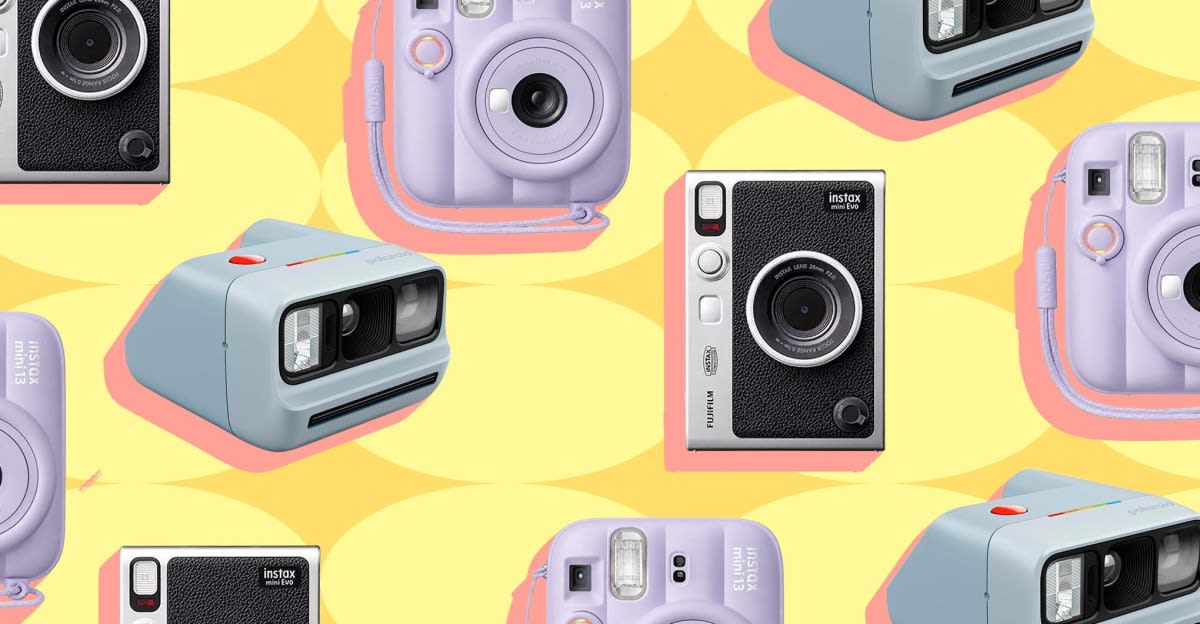
Instant cameras are experiencing a resurgence by offering a tactile, nostalgic experience that smartphones cannot replicate. Despite lower image quality, brands like Fujifilm are successfully blending analog charm with modern digital features.
The Resurgence of Analog Photography in a Digital Age
In an era dominated by high-resolution smartphone photography, the enduring appeal of instant cameras represents a fascinating shift in consumer behavior. While digital devices allow for infinite storage and perfect editing, they lack the immediate, tactile satisfaction of a physical print. The "magic" described by enthusiasts is rooted in the tangible nature of the medium—the ability to capture a fleeting moment and hold it in one’s hand as a permanent, physical artifact.
The Allure of Imperfection
One of the most defining characteristics of instant photography is its inherent lack of perfection. Unlike modern digital sensors that prioritize sharpness and color accuracy, instant film often introduces unique visual artifacts, light leaks, and soft focus. Rather than viewing these as technical failures, modern consumers increasingly embrace these imperfections as part of the authentic aesthetic. This trend mirrors a broader cultural movement toward "lo-fi" media, suggesting that users are seeking emotional resonance over clinical precision.
Bridging the Gap: Hybrid Innovation
Technological advancements have allowed manufacturers to evolve the classic instant camera concept. The market is currently divided between devices that strictly adhere to the traditional analog experience and hybrid models that incorporate digital sensors. These hybrid devices, such as the Fujifilm Instax Mini Evo, bridge the gap by allowing users to preview shots before printing, apply creative digital filters, or even print photos stored on a smartphone via companion apps.
Market Leaders and Consumer Choice
Fujifilm continues to dominate this sector by balancing nostalgia with utility. Their product lineup caters to diverse needs, ranging from entry-level models designed for simplicity to premium, feature-rich cameras that offer significant creative control. The price-to-performance ratio remains a key consideration for buyers, as the investment extends beyond the initial hardware purchase to the ongoing cost of instant film, which is essential for the continuous operation of these devices.
Future Trends and Cultural Impact
As we look forward, the instant camera market is likely to remain a niche yet stable segment of the photography industry. The social aspect of printing photos to give as gifts or physical keepsakes creates a unique value proposition that digital-only platforms cannot replicate. By positioning these cameras as tools for experiential photography rather than mere documentation, brands are successfully fostering a loyal user base that values the process of photography as much as the final result.
Conclusion
Ultimately, the instant camera serves as a reminder that technology does not always have to be about higher resolutions or faster processing speeds. By prioritizing the physical experience and the sentimental value of a printed image, these devices provide a refreshing alternative to the digital status quo. Whether through classic mechanical designs or modern hybrid systems, the instant camera remains a vital and beloved tool for capturing life's moments.