Why Some Retirees Keep 25% of Their Portfolio in Cash and Treasuries
Source Entity
Yahoo Finance
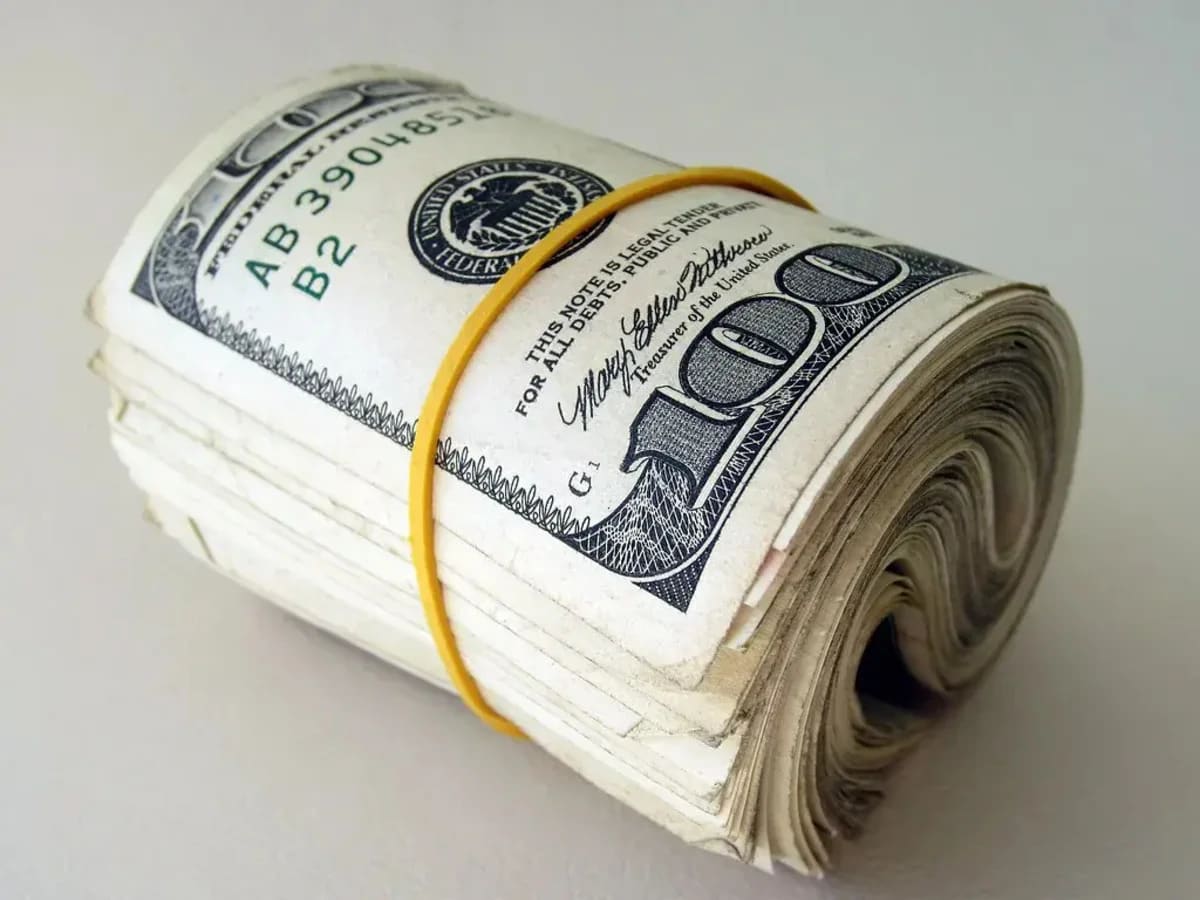
As Federal Reserve interest rate hikes loom, retirees are increasingly shifting 25% of their portfolios into cash and Treasury bills to capitalize on higher yields. This strategy serves as a hedge against market volatility and sequence of returns risk during the critical early years of retirement.
The Strategic Shift Toward Liquidity in Retirement
In an era where the Federal Reserve is actively tightening monetary policy to combat persistent inflation, the investment landscape for retirees has undergone a significant transformation. For years, cash and savings accounts yielded negligible returns, forcing retirees to rely almost exclusively on equities for income. However, with the Federal Reserve signaling further interest rate hikes—potentially pushing the federal funds rate toward the 3.75% to 4.00% range—cash-equivalent assets like Treasury bills and short-term notes have regained their utility as viable income-generating instruments.
Mitigating Sequence of Returns Risk
The decision to maintain 25% of a portfolio in cash or Treasuries is not merely a defensive posture; it is a calculated hedge against 'sequence of returns risk.' This risk is most acute during the first decade of retirement, where poor market performance can permanently derail a long-term financial plan. By holding a significant portion of assets in stable, yield-bearing cash instruments, retirees can avoid the necessity of selling equities during a market downturn, thereby allowing their primary growth investments the time needed to recover.
The Fed’s Role and Market Anticipation
Market participants are currently bracing for the Federal Reserve’s upcoming policy shift, with the CME FedWatch Tool indicating a 90% probability of an interest rate increase. Following Chairman Kevin Warsh’s hawkish rhetoric at Jackson Hole and subsequent hot inflation data, the market is pricing in not just one, but potentially multiple rate hikes through the end of the year. This environment of rising rates is precisely why cash alternatives have become attractive, offering a risk-free return that was unavailable during the previous decade of near-zero interest rates.
Navigating Unusual Market Behavior
Interestingly, current sentiment suggests that the stock market might react to a rate hike with an unusual rally. While traditional economic theory often posits that higher rates depress equity valuations, the market's response to the Fed's decisions is becoming increasingly complex. Investors are now balancing the threat of higher borrowing costs—which affect everything from mortgage rates to corporate capital expenditures—against the potential for the Fed to successfully curb inflation, which would ultimately provide a more stable foundation for long-term growth.
Future Trends and Portfolio Resilience
Looking ahead, the shift toward higher cash allocations appears to be a structural change in retirement planning rather than a temporary trend. Wealthy retirees with portfolios exceeding $1,000,000 are increasingly prioritizing capital preservation alongside income generation. As the Federal Reserve continues to navigate the delicate balance between cooling the economy and avoiding a recession, the ability to pivot between cash-heavy strategies and equity investments will remain the hallmark of a resilient retirement plan. Investors who remain flexible and responsive to these macroeconomic signals will be best positioned to protect their nest eggs against the persistent volatility that defines the current fiscal cycle.