Ricky Ponting ‘Not a fan of’ ODI cricket being played less
Source Entity
The Indian Express
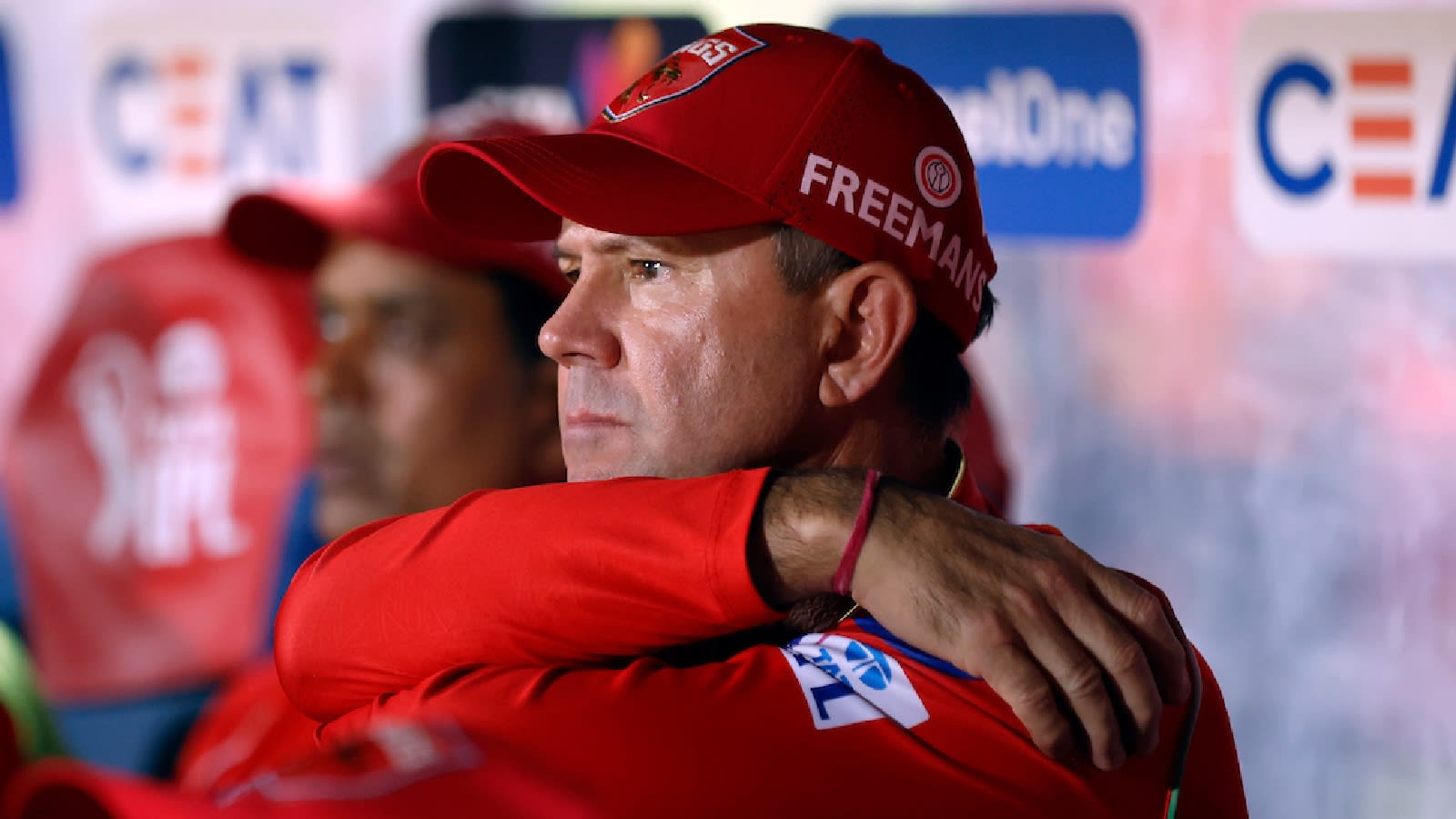
Cricket legend Ricky Ponting has expressed concern over the declining frequency of ODI matches globally. He acknowledges that the rise of T20 leagues makes the reduction of the 50-over format an inevitable trend.
The Uncertain Future of ODI Cricket
Cricket legend Ricky Ponting has voiced his reservations regarding the shifting landscape of international cricket, specifically noting that the decline of the 50-over One Day International (ODI) format is becoming an "inevitable" reality. While Ponting admits he is "not a fan" of this trend, his assessment reflects a growing consensus among experts that the sport is undergoing a structural transformation driven by market demands and scheduling pressures.
The Rise of T20 and Franchise Dominance
The core driver behind the sidelining of ODI cricket is the rapid proliferation of T20 cricket and global franchise tournaments. As these leagues continue to expand, they consume a larger share of the international calendar, leaving less space for traditional bilateral series. Ponting identifies this shift as the primary catalyst for the format's decline, noting that as the sport evolves, the 50-over game is increasingly struggling to maintain its relevance in a crowded market.
Historical Context: From Cash Cow to Secondary Format
For decades, ODI cricket served as the primary "cash cow" for cricket boards, providing the financial foundation necessary to sustain the sport's growth. However, the post-pandemic era has marked a significant pivot. Since the early years of this decade, the format has faced mounting pressure from stakeholders who argue that the international schedule must be rebalanced to prioritize the traditional prestige of Test matches and the high-revenue, high-engagement nature of T20 cricket.
Structural Challenges and Scheduling Pressures
The debate currently centers on whether to reduce the total number of ODI matches played globally or to fundamentally alter the format itself. These calls for change are not merely speculative; they represent a strategic response to the logistical difficulty of balancing three distinct formats. As players and boards alike grapple with fatigue and scheduling conflicts, the 50-over format is frequently the first to be deprioritized.
Future Trends in Global Cricket
Looking ahead, Ponting’s perspective suggests a future where the international calendar becomes increasingly polarized between the long-form endurance of Test cricket and the fast-paced entertainment of T20s. Unless a compelling argument is made to revitalize the ODI format, it is likely that we will see a continued reduction in 50-over fixtures, effectively relegating them to specialized global events rather than a staple of the year-round calendar.
Conclusion
Ricky Ponting’s candid remarks highlight a poignant moment in cricket history. While the 50-over game has provided some of the sport's most iconic memories, the economic and cultural shift toward shorter, more frequent formats seems unstoppable. The challenge for governing bodies will be to manage this transition without alienating the traditional fan base that still finds value in the tactical depth of the ODI game.