Ring’s first smart lock can be charged by turning a dial when the battery unexpectedly dies
Source Entity
Andrew Liszewski
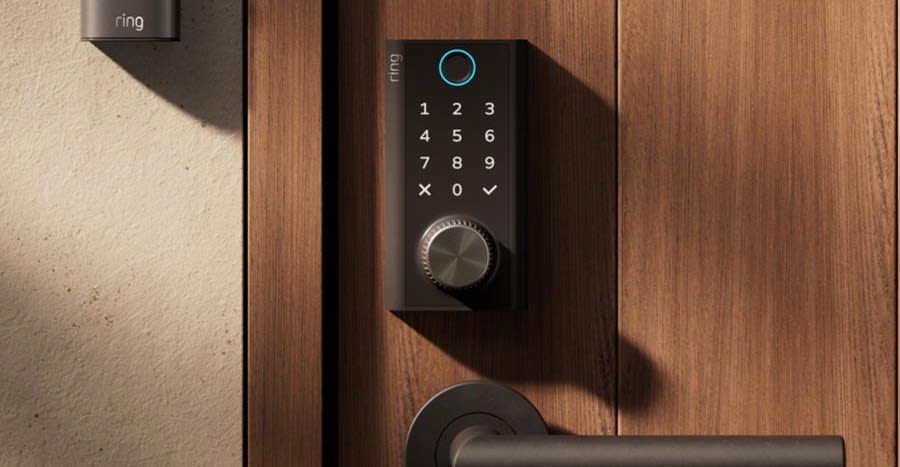
Amazon's Ring has launched its first smart lock featuring an innovative manual charging mechanism. This hand-cranked thumb-turn dial allows users to regain entry if the battery dies, solving a major pain point in the smart home market.
Redefining Smart Home Security: The Ring Smart Lock
Amazon-owned Ring has officially entered the competitive smart lock market, signaling a shift in how manufacturers address the persistent anxiety surrounding battery-operated home security devices. The company's debut smart lock aims to solve the 'dead battery' dilemma that has long deterred consumers from fully trusting automated entry systems. By integrating a manual power-generation feature, Ring is attempting to bridge the gap between traditional mechanical security and modern convenience.
The Mechanics of Innovation
Unlike traditional smart locks that rely on hidden USB-C ports or external 9-volt battery contacts to provide emergency power, the new Ring Smart Lock utilizes a mechanical thumb-turn dial. According to company specifications, the user simply turns the dial a few times—effectively acting as a manual hand-crank—to generate sufficient power to unlock the door. This design choice removes the need for carrying a physical backup key or storing external power sources, streamlining the emergency recovery process.
Solving the 'Vacation Home' Problem
Ring founder Jamie Siminoff noted that the inspiration for this feature originated from his own personal experience. When seeking a smart lock for a vacation property that would experience infrequent use, he realized that standard battery-operated locks would eventually fail due to inactivity and power drain. By designing a system that does not rely solely on chemical battery storage for the final unlock event, Ring is specifically targeting users who require reliable, long-term access for secondary residences or rental properties.
Broader Market Implications
For years, the smart home industry has struggled with the 'fear of lockout' as a primary barrier to entry for mainstream consumers. Most existing solutions require the user to be prepared with a physical key or specific power accessories, which are often forgotten or misplaced. By embedding the charging mechanism directly into the hardware of the lock, Ring is setting a new standard for user-centric design in the IoT sector, forcing competitors to rethink their emergency power protocols.
Future Trends in Smart Access
This launch suggests a growing trend toward 'fail-safe' hardware in the smart home ecosystem. As consumers become more reliant on digital infrastructure, the demand for devices that can function during power outages or battery failures will likely increase. We can expect to see more manufacturers incorporating kinetic energy harvesting or similar manual overrides in future iterations of security equipment, moving the industry toward a more resilient and self-sustaining model.
Conclusion
While Amazon has yet to specify the exact number of turns required to achieve a full emergency unlock, the concept represents a significant leap forward in addressing the reliability concerns of smart home technology. By prioritizing user autonomy during battery failures, Ring’s new entry is poised to gain traction among both tech-savvy homeowners and those who have previously been hesitant to replace their traditional deadbolts.