Real estate developers bet on branded residences, partnering with global luxury hospitality and fashion brands or building their own labels
Source Entity
Latest News: Todays Latest News Headlines from India & World | Hindustan Times
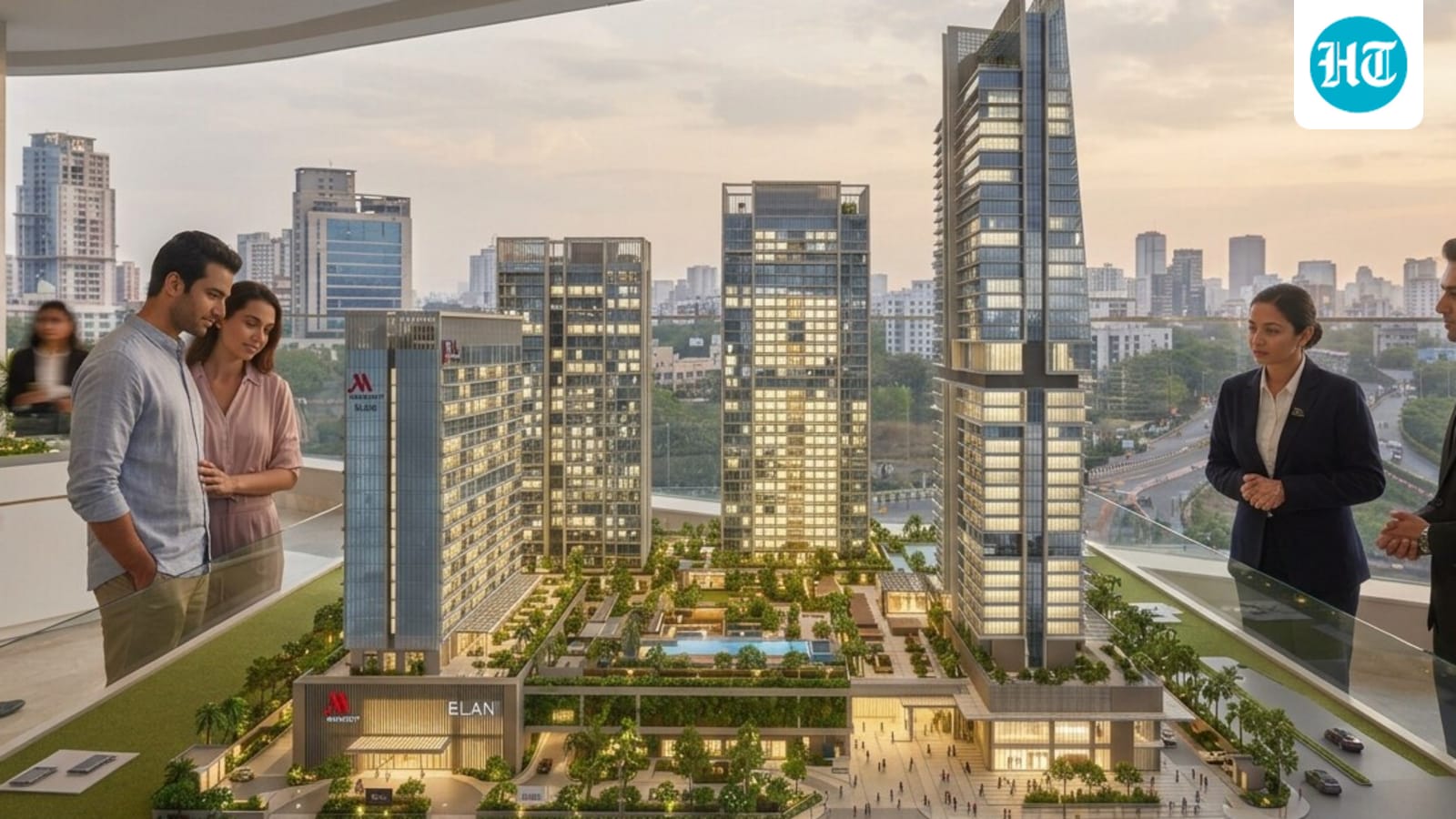
India's real estate sector is witnessing a surge in branded residences, shifting from global luxury partnerships to internal brand development. While high-profile collaborations continue, developers are now under pressure to ensure tangible value through construction quality and service standards.
The Rise of Branded Residences in India
The Indian real estate landscape is undergoing a significant transformation as developers pivot toward the 'branded residence' model. This trend involves moving beyond traditional property developments to create curated living experiences that offer the prestige and service standards associated with global hospitality chains, high-end fashion labels, and bespoke internal brands. By aligning residential projects with established luxury identities, developers are attempting to capture the growing segment of high-net-worth individuals who demand exclusivity and lifestyle integration.
Strategic Partnerships and New Market Entrants
Recent market activity highlights a dual-track strategy: high-profile international collaborations and the creation of proprietary luxury labels. Elan Group’s recent partnership with Marriott International exemplifies the desire to leverage established hospitality excellence, while M3M India’s decision to invest ₹1,650 crore into a second project branded by Jacob & Co. underscores the premium market's appetite for ultra-luxury, design-centric collaborations. These partnerships aim to bridge the gap between residential living and hotel-style luxury, effectively importing hospitality standards into the domestic housing market.
The Shift Toward In-House Branding
Parallel to these external collaborations is the rise of developers building their own distinct residential identities. Embassy Developments’ launch of 59 residences under its own brand, boasting a gross development value (GDV) of ₹1,400 crore, marks a pivotal shift in this strategy. By cultivating their own internal labels, developers retain greater control over the long-term value proposition and brand equity, rather than relying solely on the borrowed prestige of third-party luxury partners.
The Critical Test: Quality and Service
Despite the allure of marquee names, industry analysts emphasize that a brand name alone is no longer sufficient to drive long-term value. The market is maturing, and sophisticated buyers are increasingly scrutinizing the underlying fundamentals of these projects. The real test for developers lies in the consistency of construction quality and the ability to deliver the promised service standards. A brand serves as an initial entry point, but the sustainability of these developments depends on the actual operational excellence provided to residents.
Broader Implications and Future Trends
This evolution reflects a broader trend in Indian real estate toward professionalization and service-oriented living. As the market becomes more competitive, the 'brand' will eventually serve as a shorthand for reliability, architectural innovation, and concierge-level services. Future trends suggest that while collaborations will continue to dominate the ultra-luxury segment, the mid-to-high-end market will likely see a rise in developer-led branding that focuses on community-specific features and technological integration.
Conclusion
The branded residence segment in India is successfully transitioning from a novelty to a sophisticated asset class. While the allure of global fashion and hospitality brands remains a powerful marketing tool, the sustained success of these projects will inevitably hinge on how well developers translate brand identity into physical reality. As the sector matures, the ability to maintain construction standards and high-touch service environments will become the primary differentiator between enduring luxury assets and temporary marketing trends.
Verification Required?