‘Pee on your brain’: How Jensen Huang allegedly humiliated Nvidia employees
Source Entity
The Indian Express
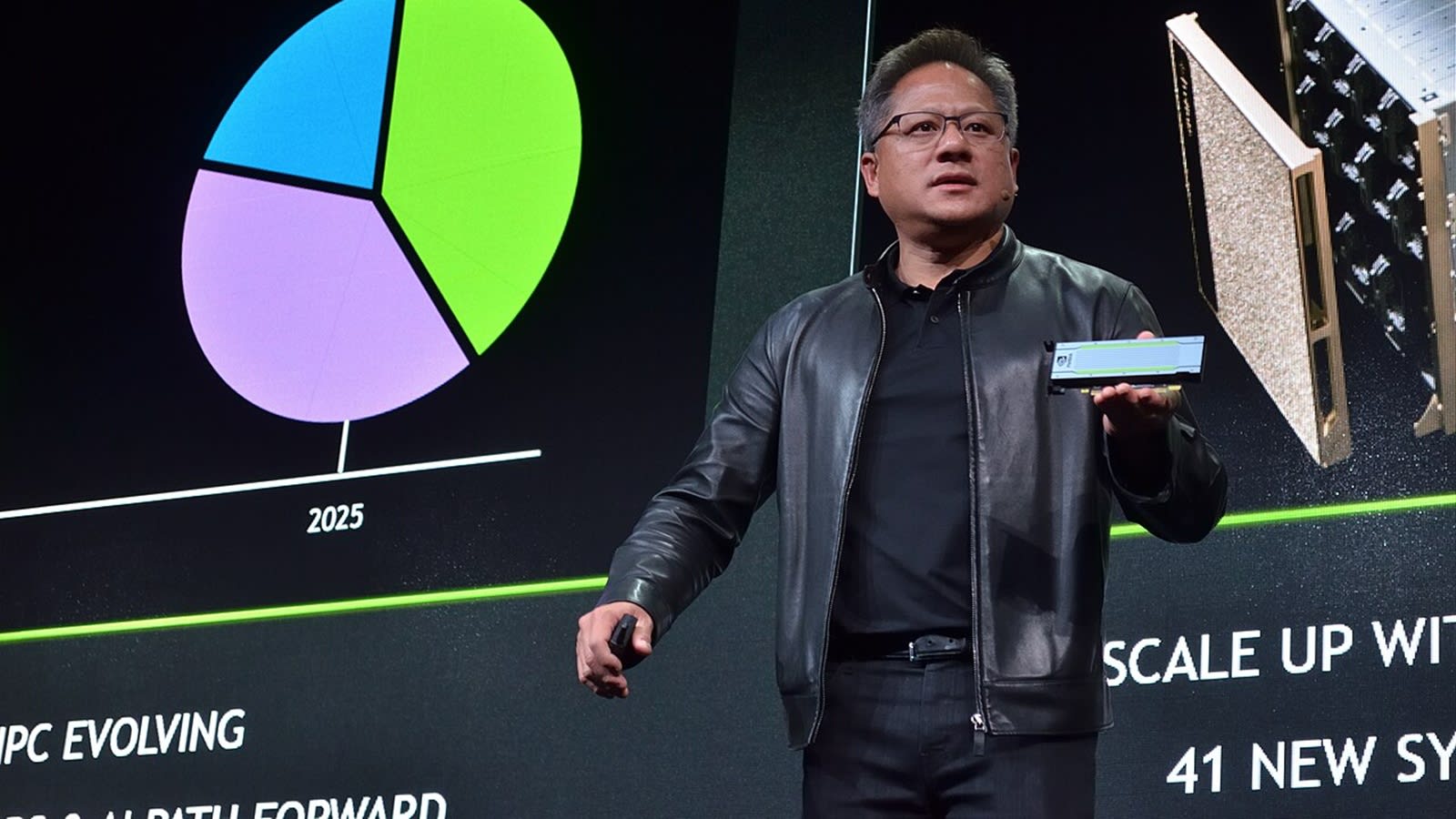
Resurfaced allegations against Nvidia CEO Jensen Huang describe a long-standing pattern of verbal abuse, public humiliation, and intimidation. These reports highlight a contentious leadership style that has come under intense scrutiny as the company's valuation reaches unprecedented heights.
The Shadow Behind the Silicon Success: Analyzing Nvidia's Leadership Controversy
Recent reports from major media outlets have brought to light a series of troubling allegations concerning Nvidia CEO Jensen Huang. While the company currently stands as a titan of the artificial intelligence revolution, these accounts suggest a darker side to its corporate history. The allegations, which include claims of verbal abuse, public humiliation, and threats, paint a picture of a workplace culture characterized by fear, allegedly utilized as a mechanism to drive extreme productivity.
Historical Precedents and Court Records
These claims are not entirely new; they are anchored in documents dating back nearly two decades. A 2007 lawsuit involving former high-level employees, including the company’s first in-house lawyer Stephen Pettigrew and former senior vice president Michael Winston, serves as a primary source for these resurfaced grievances. The detailed allegations suggest that Huang’s management style historically involved personal insults and, in some instances, sexually explicit remarks, establishing a pattern of behavior that critics argue has persisted or evolved alongside the company's growth.
The 'Culture of Fear' and Executive Retaliation
Beyond the historical lawsuit, contemporary investigations involving interviews with over a dozen current and former staff members suggest that these practices were not isolated incidents but rather an embedded facet of Nvidia’s organizational ethos. The report highlights that Nvidia has previously engaged in confidential settlements with senior executives who raised formal concerns regarding Huang’s conduct. This suggests a systemic approach to handling internal dissent, where the pressure to perform at a high level was allegedly enforced through intimidation rather than traditional managerial incentives.
Leadership Under the AI Spotlight
As Nvidia’s market valuation has soared toward the $5 trillion mark, the scrutiny surrounding Huang’s leadership has intensified. The reports indicate that as the company became a central player in the global AI boom, Huang’s frustration with his workforce allegedly grew. He reportedly expressed to employees that their accumulated wealth had rendered standard financial incentives ineffective, leading to a reliance on humiliation as a perceived motivator. This shift underscores a critical tension between rapid technological scaling and the ethical treatment of human capital.
Broader Implications for Corporate Governance
This situation poses significant questions regarding corporate governance in the tech sector. When high-performance culture crosses the line into psychological abuse, the long-term sustainability of that culture is brought into question. The reliance on non-disclosure agreements and confidential settlements to silence internal complaints often shields leadership from public accountability, a practice that is increasingly being challenged in the modern corporate landscape.
Conclusion and Future Outlook
The resurfacing of these allegations presents a reputational risk to Nvidia at a time when the company is under global observation. Whether these reports will impact investor confidence or lead to internal structural changes remains to be seen. Ultimately, the Nvidia case serves as a stark reminder that even the most successful corporate entities are not immune to the consequences of a toxic internal culture, highlighting the necessity for transparency and human-centric leadership even in the hyper-competitive world of high-tech manufacturing.
Multiple Citing Sources