Roblox commits to privacy overhaul after eSafety discovers adults can contact children via gaming platform
Source Entity
Josh Taylor Technology reporter
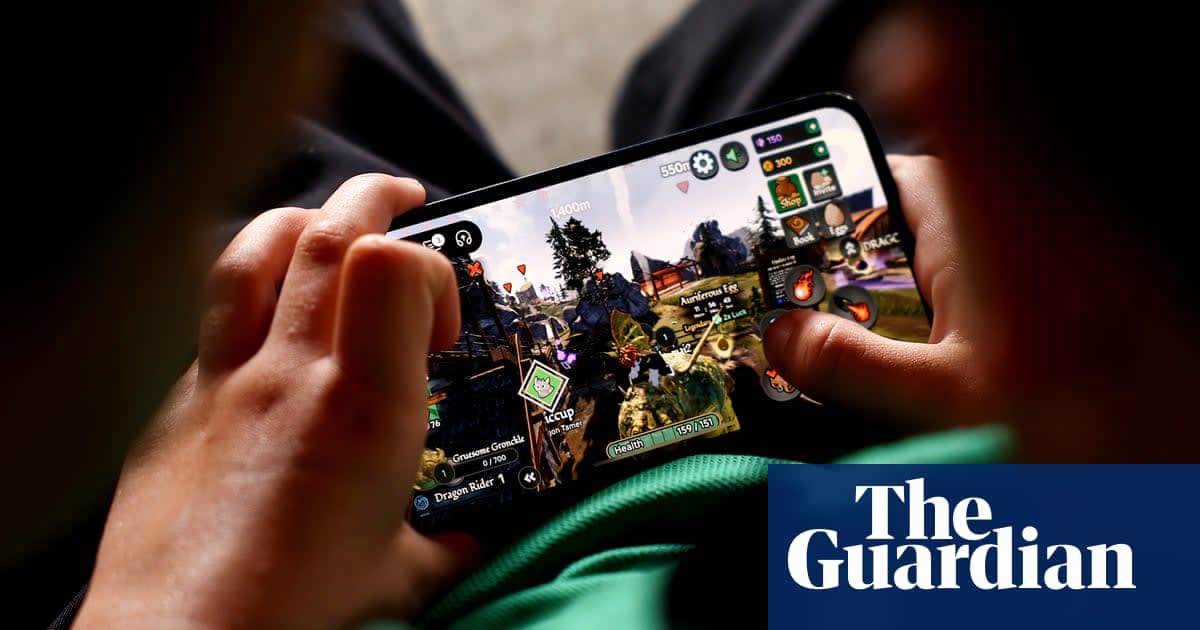
Roblox has committed to a significant privacy overhaul following findings from Australia's eSafety Commissioner that revealed persistent vulnerabilities allowing adult-to-child contact. The platform will now undergo independent audits to ensure compliance with the Online Safety Act and better protect younger users.
Roblox Commits to Major Privacy Overhaul Following eSafety Scrutiny
Roblox, one of the world's most popular gaming platforms for children, has officially committed to a series of comprehensive privacy and safety reforms. This decision follows an investigation by Australia’s eSafety Commissioner, Julie Inman Grant, which uncovered significant loopholes that allowed adults to interact with child accounts and access sensitive profile information without parental oversight.
The Nature of the Security Vulnerabilities
The investigation conducted by the eSafety Commissioner earlier this year revealed that, despite previous updates aimed at limiting adult-child interactions, critical gaps remained. Specifically, the regulator found that adult users could send connection requests to child accounts without any requirement for parental or carer consent. Furthermore, children’s profiles—including account names, avatar images, biographical information, and even their lists of connections—were visible to the general public with no restrictive privacy options available to the users.
Beyond the Gaming Environment
A particularly concerning finding was that the platform's safety failures extended beyond the primary gaming interface. The regulator identified that children and adults were able to view and respond to one another’s posts on forums located outside of the game environments. These interactions occurred without any parental mediation, creating an unregulated space where children could be exposed to adult strangers, directly contradicting the platform's stated commitment to a secure environment for younger demographics.
Regulatory Pressure and the Online Safety Act
This intervention marks a significant milestone in digital regulation, as Roblox has become the first platform to submit to independent audits under Australia’s Online Safety Act. This legal agreement serves as a formal acknowledgment by the company that its existing safeguards were insufficient to prevent potential exploitation. The move underscores a growing global trend where tech companies are being held strictly accountable for the safety of their youngest users by national regulators.
Historical Context and Future Trends
This development comes on the heels of initiatives started in December of last year, when Roblox first attempted to limit communication between adults and children following reports of grooming. However, the failure of those initial measures to fully secure the platform highlights the complexity of moderating massive, user-generated content ecosystems. Moving forward, the industry can expect increased regulatory scrutiny and mandatory transparency, as governments shift from voluntary guidelines to legally binding oversight audits to ensure that platforms prioritize child protection over open connectivity.
Conclusion
The commitment by Roblox to overhaul its safety features represents a vital correction in how gaming platforms manage the intersection of adult and minor users. By agreeing to independent audits, the company is setting a new precedent for corporate accountability. Ultimately, the success of these measures will depend on the rigorous implementation of these new controls and the ability of the platform to effectively bridge the gap between its expansive social features and the fundamental necessity of child safety.