Overcooked? Why robotic pizza makers are failing
Source Entity
BBC News
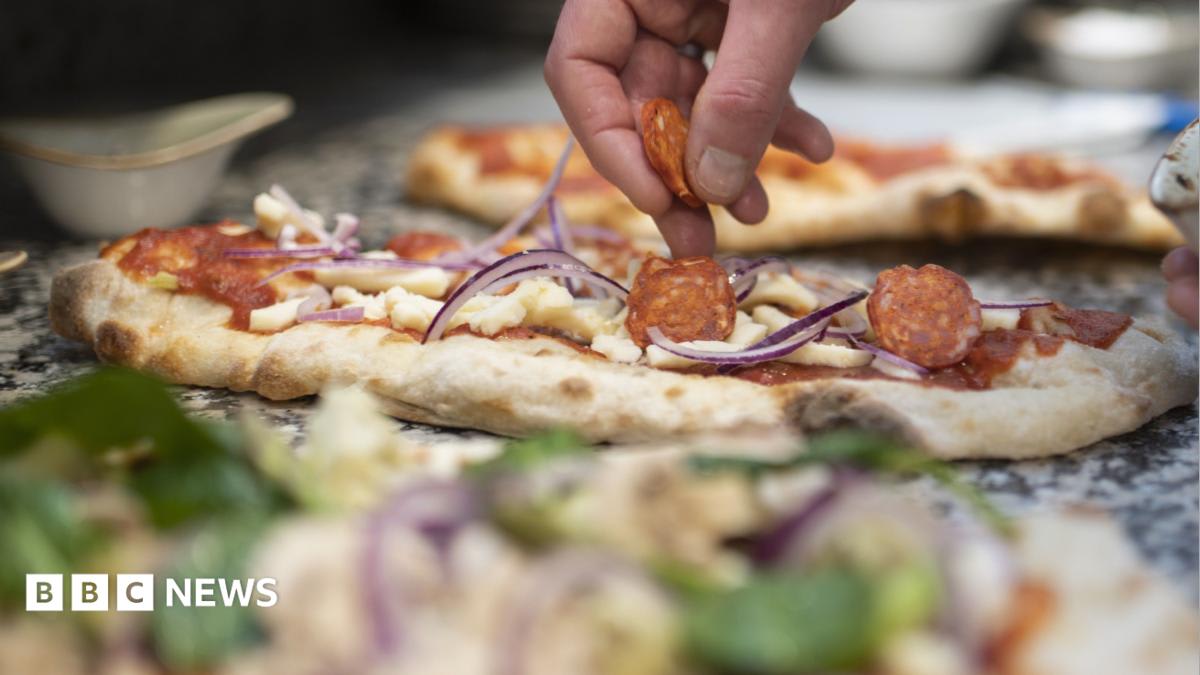
The robotic pizza industry is facing significant challenges as several major startups have failed to scale successfully. Experts suggest that technical complexities and the potential loss of entry-level hospitality jobs are hindering widespread adoption.
The Automated Kitchen Conundrum: Analyzing the Pizza Robot Downturn
The promise of a fully automated kitchen has long been a siren song for venture capitalists and tech enthusiasts alike. However, the recent string of high-profile failures in the pizza-making sector—including companies like Zume, Pazzi, and Basil Street—highlights a massive disconnect between the theoretical efficiency of robotics and the gritty reality of food service. While the concept of using robot arms to assemble pizzas seemed like a natural evolution for fast food, the industry is currently navigating a period of significant disillusionment.
The Complexity of Culinary Automation
Why has pizza, a seemingly standardized food product, proven so difficult to automate? The challenge lies in the variability of ingredients and the high-speed, high-pressure environment of a commercial kitchen. Unlike structured manufacturing, where robots handle identical parts, food preparation requires managing organic materials that change shape, consistency, and temperature. The failure of these companies suggests that we have not yet mastered the dexterity or the environmental adaptability required to replace human line cooks in a cost-effective manner.
Economic and Labor Implications
Beyond the technical hurdles, the integration of robots into pizza restaurants brings complex socio-economic questions to the forefront. The hospitality sector has historically served as a critical entry point for the labor market, providing millions of people with their first professional experience. By attempting to automate these roles, companies are not just fighting against mechanical complexity, but are also navigating a societal pushback against the erosion of entry-level employment opportunities that form the backbone of the service economy.
The Analyst Perspective: A Market Correction
Sara Senatore, a senior restaurant analyst at Bank of America, notes that the success stories once promised by industry proponents have largely failed to materialize. This skepticism reflects a broader market correction regarding 'food tech.' Investors are moving away from the blind optimism of the last decade, demanding tangible proof of profitability and operational reliability before committing further capital to automated food assembly systems.
Future Trends and Outlook
Looking ahead, the future of robotic pizza is likely to be defined by more modest, specialized applications rather than the total automation of the restaurant experience. We may see a shift away from 'robot-first' business models toward 'human-augmented' systems that assist workers rather than replacing them. As the industry recalibrates, the focus will likely remain on solving the specific pain points of food consistency and speed without sacrificing the essential human elements that define the restaurant experience.