Rohingyas vacate Jammu’s Burma Market as landlords face action
Source Entity
Latest News: Todays Latest News Headlines from India & World | Hindustan Times | Hindustan Times
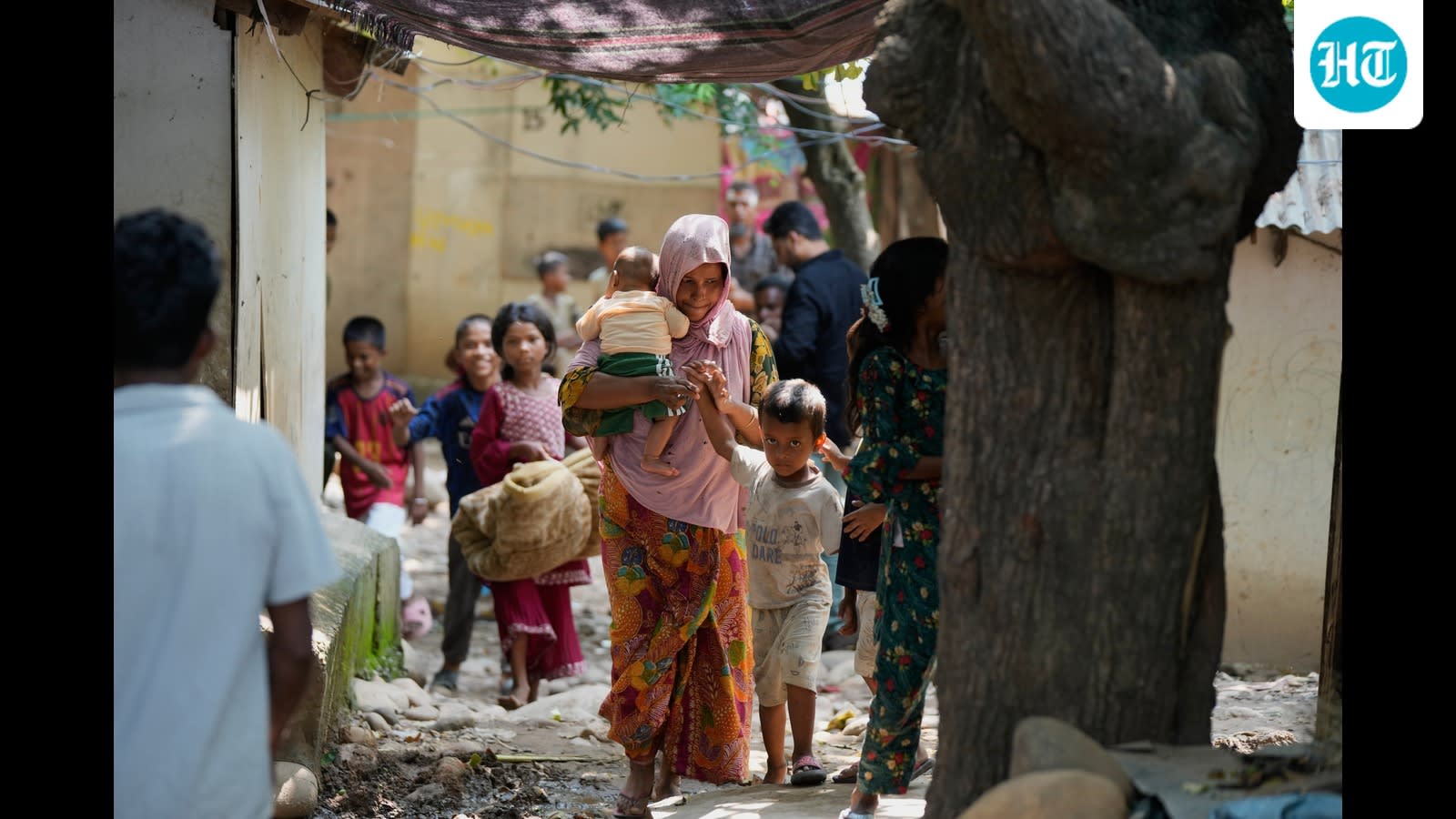
Rohingya families in Jammu's Kiryani Talab area are dismantling their homes following government notices issued to local landowners. Authorities cited the illegal use of agricultural land for residential settlements as the primary reason for the enforcement action.
Displacement at Burma Market: Enforcement of Land Use Laws in Jammu
The Context of the Evictions
The recent dismantling of shanties at Burma Market in the Kiryani Talab area of Jammu marks a significant shift in the administration's approach toward refugee settlements. Rohingya families, who have resided in this area for over two decades, began vacating their homes following notices issued by the civil administration. The immediate catalyst for this action appears to be a formal crackdown on property owners who have been sub-letting agricultural land for residential purposes, a violation of local land-use regulations.
Legal and Administrative Implications
According to officials, the primary legal justification for these notices is the misclassification of land. The land in question is officially designated for agricultural use, rendering its conversion into residential housing—specifically for refugee settlements—illegal under current zoning statutes. By targeting the landowners rather than directly addressing the occupants, the district administration is leveraging existing property laws to clear the area, effectively bypassing more complex refugee-status legal debates by focusing on municipal compliance.
The Role of Demographic Oversight
This enforcement action follows closely on the heels of a visit by a high-powered panel tasked with evaluating demographic changes in the Jammu region. The timing suggests a coordinated effort by the government to tighten oversight in areas with high concentrations of non-local populations. The removal of these structures, including a local madrassa that has served as a community hub for two decades, signals a broader policy shift toward stricter enforcement of land-use policies in border and sensitive districts.
Historical Context of the Settlement
For over twenty years, the Burma Market area has served as a critical, albeit informal, settlement for Rohingya refugees. Its long-standing presence highlights the lack of formal, state-sanctioned refugee housing infrastructure in the region. The sudden dismantling of this community underscores the vulnerability of these populations when municipal authorities pivot toward strict regulatory enforcement, leaving families with few alternatives for immediate relocation.
Broader Socio-Political Impacts
The displacement of these families reflects the complex intersection of humanitarian concerns and administrative governance in Jammu. As authorities continue to monitor demographic shifts, the intersection of land-use enforcement and refugee management is likely to remain a flashpoint. Future trends suggest that the administration will continue to prioritize the reversal of agricultural land conversion, which could lead to further displacement of informal settlements across the district, creating significant challenges for humanitarian aid groups and local civil society organizations.
Verification Required?