Rohit and Kohli: What Edgbaston revealed about two batsmen without a safety net
Source Entity
Venkata Krishna B
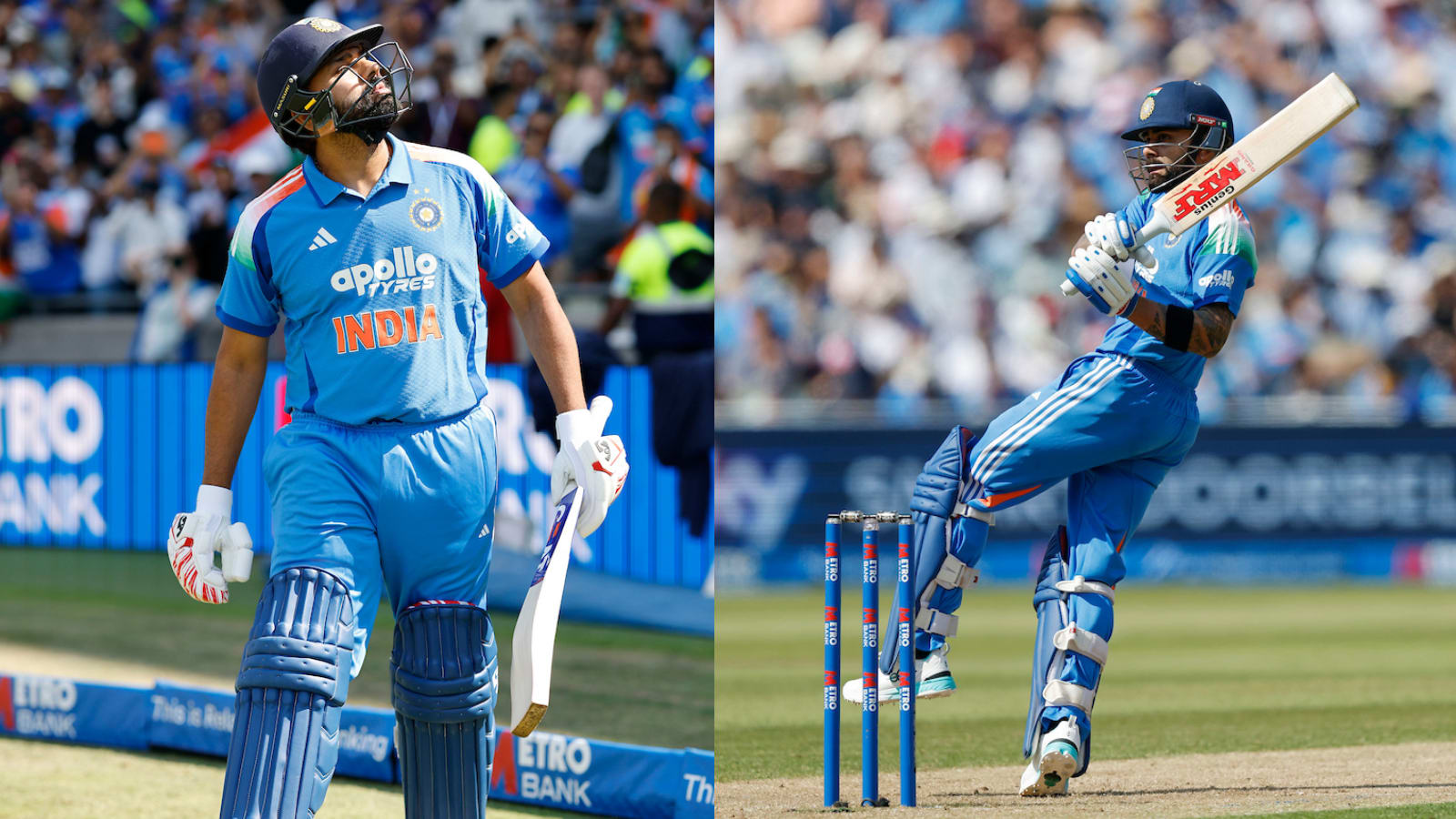
An analysis of the psychological and professional pressures facing Rohit Sharma and Virat Kohli, specifically how their performances at Edgbaston highlight the absence of a 'safety net' as they look toward the 2027 World Cup.
The Twilight of Titans: Analyzing Rohit and Kohli's Edgbaston Crossroads
The narrative of modern Indian cricket has long been dominated by the towering figures of Rohit Sharma and Virat Kohli. However, the recent outing at Edgbaston has served as a stark reminder that in the relentless world of professional sports, legacy provides no permanent immunity. The core issue revealed at Edgbaston is not merely a matter of runs on a scoreboard, but a deeper, psychological struggle regarding job security and the long-term roadmap leading to the 2027 World Cup. For two players who have spent over a decade as the undisputed pillars of the batting order, the sudden realization that their positions are no longer guaranteed creates a volatile mental environment.
The Edgbaston Litmus Test
Edgbaston, known for its challenging conditions and atmospheric pressure, acted as a litmus test for the current state of these two veterans. When a batsman is in the 'safety net' phase of their career, failures are viewed as temporary dips in form. However, the analysis suggests that for Rohit and Kohli, failures are now being viewed through the lens of age and decline. The lack of a safety net means that every edge, every missed drive, and every low score is scrutinized as a sign that the end may be near. This shift in perception transforms the game from a pursuit of excellence into a fight for survival, which can paradoxically hinder the very fluency and confidence required to score runs.
The 2027 World Cup Horizon
Central to this anxiety is the 2027 World Cup. In the lifecycle of a cricketer, the gap between world tournaments is an eternity. For Rohit Sharma, the need for runs is secondary to the need for assurance. The psychological burden of not knowing if the team management views them as integral parts of the 2027 vision creates a precarious instability. Historically, India has struggled with the transition of its legendary batting cores, often clinging to veterans for too long or pivoting too abruptly. The current tension suggests a management that is beginning to weigh the immediate value of experience against the long-term necessity of youth.
Psychological Burden and Performance Correlation
There is a profound correlation between the 'assurance of place' and on-field performance. When Rohit and Kohli played with the safety net of being 'undroppable,' they played with a freedom that allowed their natural genius to flourish. Without that net, the game becomes restrictive. The Edgbaston performance highlighted a tentative approach—a symptom of players who are playing not to fail rather than playing to win. This mental shift is critical; if the fear of replacement outweighs the drive for dominance, the technical decline of an aging athlete is often accelerated by mental fatigue.
The Transition Dilemma for Indian Cricket
Beyond the individual struggles of the two players, this situation reflects a broader systemic dilemma within Indian cricket. The team is caught between the desire to maximize the remaining peak years of two all-time greats and the urgent need to groom a successor generation. By removing the 'safety net,' the management is essentially signaling that the transition has begun. This creates a high-stakes environment where Rohit and Kohli are not just competing against the opposition bowlers, but against the ticking clock and the rising ambitions of younger talents waiting in the wings.
Summary: The Fight Against Time
Ultimately, the revelations from Edgbaston underscore a poignant truth: the greatest challenge for Rohit Sharma and Virat Kohli is no longer the quality of the bowling, but the reality of time. To secure their places for 2027, they must move past the need for external assurance and rediscover the internal confidence that defined their prime. Whether they can navigate this psychological minefield will determine if they exit the stage on their own terms or are pushed by the inevitable tide of sporting evolution.