And then there were seven in the silent hills
Source Entity
India Latest News: Top National Headlines Today & Breaking News | The Hindu
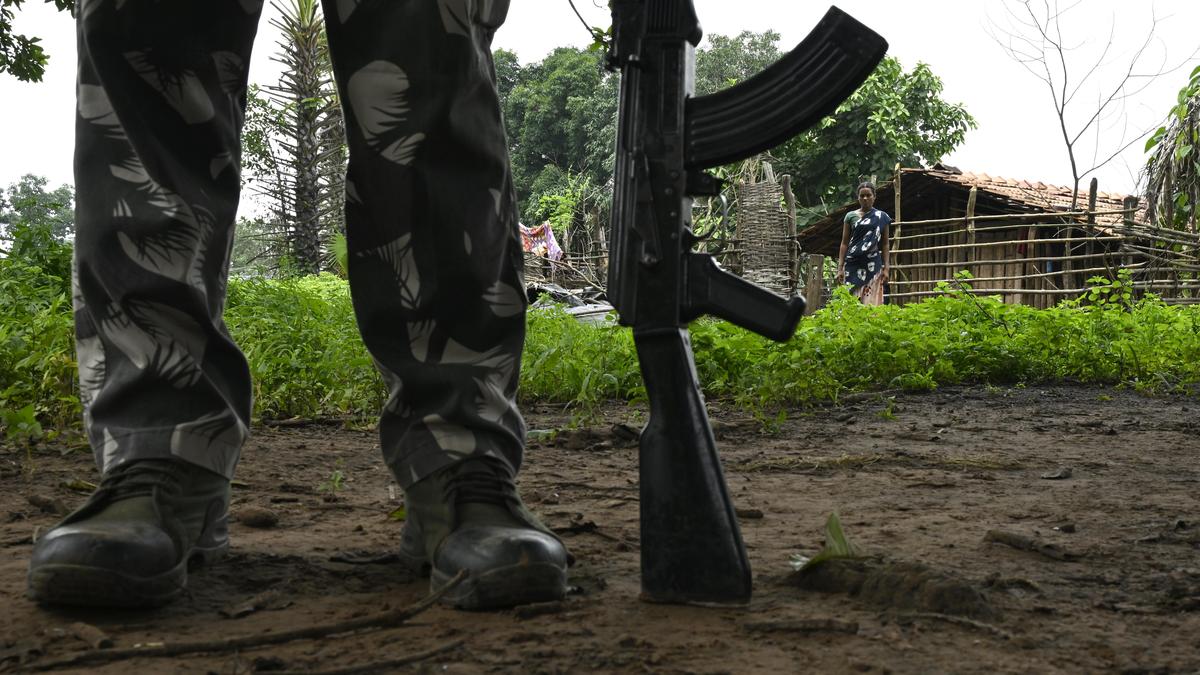
Rural Andhra Pradesh and Telangana are witnessing a demographic shift driven by severe water scarcity and long-standing conflict. While some villages have turned into ghost towns due to agricultural collapse, others are emerging from the shadow of Maoist insurgency into an uncertain future of development.
The Silent Crisis: Rural Abandonment and Transformation in Andhra and Telangana
The Anatomy of a Ghost Village
The phenomenon of Gattumeedapalle in Andhra Pradesh’s Annamayya district serves as a harrowing case study in rural collapse. Once a thriving hilltop settlement of 60 joint families, the village now exists only as a shell. Despite the continued presence of civic infrastructure like streetlights and schools, the lack of water for essential groundnut cultivation has rendered the land uninhabitable. This total migration of 500 residents highlights a systemic failure to sustain agricultural livelihoods in the face of environmental stressors.
Agricultural Despair and Climate Uncertainty
The plight of Gattumeedapalle is not an isolated incident but a microcosm of a broader crisis across Andhra Pradesh. Farmers like Kommineni Srinivasa Rao in Bapatla district are facing the consequences of a failing monsoon, where cracked, unploughable soil has replaced traditional paddy fields. The intersection of water scarcity, delayed crop coverage, and rising financial risks has forced farmers into a cycle of debt, turning the agricultural season into a desperate gamble for survival. This shift threatens the food security and economic stability of the region.
From Maoist Stronghold to Uncertain Development
While water scarcity drives migration in some areas, the Karreguttalu Hills in Telangana face a different form of existential shift. For decades, residents like Madvi Kamini lived in a state of perpetual fear, caught in the crossfire between Maoist cadres and security forces. The presence of 'annalu' (Naxals) necessitated a precarious existence where every forest sound carried the threat of violence or landmines. The recent introduction of roads, security infrastructure, and electricity marks a transition from isolation to integration with the state.
The Paradox of Progress
The return of the State’s writ in the Karreguttalu Hills brings a promise of development, yet it introduces new complexities regarding the future of forest-dwelling communities. While the infrastructure provides a lifeline, it also raises critical questions about land rights and the preservation of traditional lifestyles. As these communities emerge from decades of insurgency, they must navigate the tension between state-led modernization and the preservation of their cultural and environmental heritage.
Converging Challenges
The common thread linking these disparate regions is the erosion of traditional community stability. Whether driven by the physical depletion of resources, as seen in the parched fields of Bapatla, or the historical trauma of conflict in the Telangana borderlands, the rural landscape is undergoing a forced metamorphosis. The abandonment of villages like Gattumeedapalle and the rapid integration of regions like the Karreguttalu Hills suggest that the rural social fabric is being fundamentally reshaped by factors beyond the control of local inhabitants.
Conclusion: The Future of Rural Resilience
As these regions move forward, the challenge for policymakers remains twofold: addressing the immediate climate-induced agricultural collapse and ensuring that development in former conflict zones is inclusive and sustainable. Without targeted interventions to stabilize water access and provide economic security, the trend of silent rural abandonment risks becoming a permanent feature of the regional landscape, leaving behind only the remnants of once-vibrant communities.
Multiple Citing Sources
Verification Required?