Poland says Russia allegedly tried to kill Ukrainian American rapper before foiled Denmark plot
Source Entity
Latest News: Todays Latest News Headlines from India & World | Hindustan Times
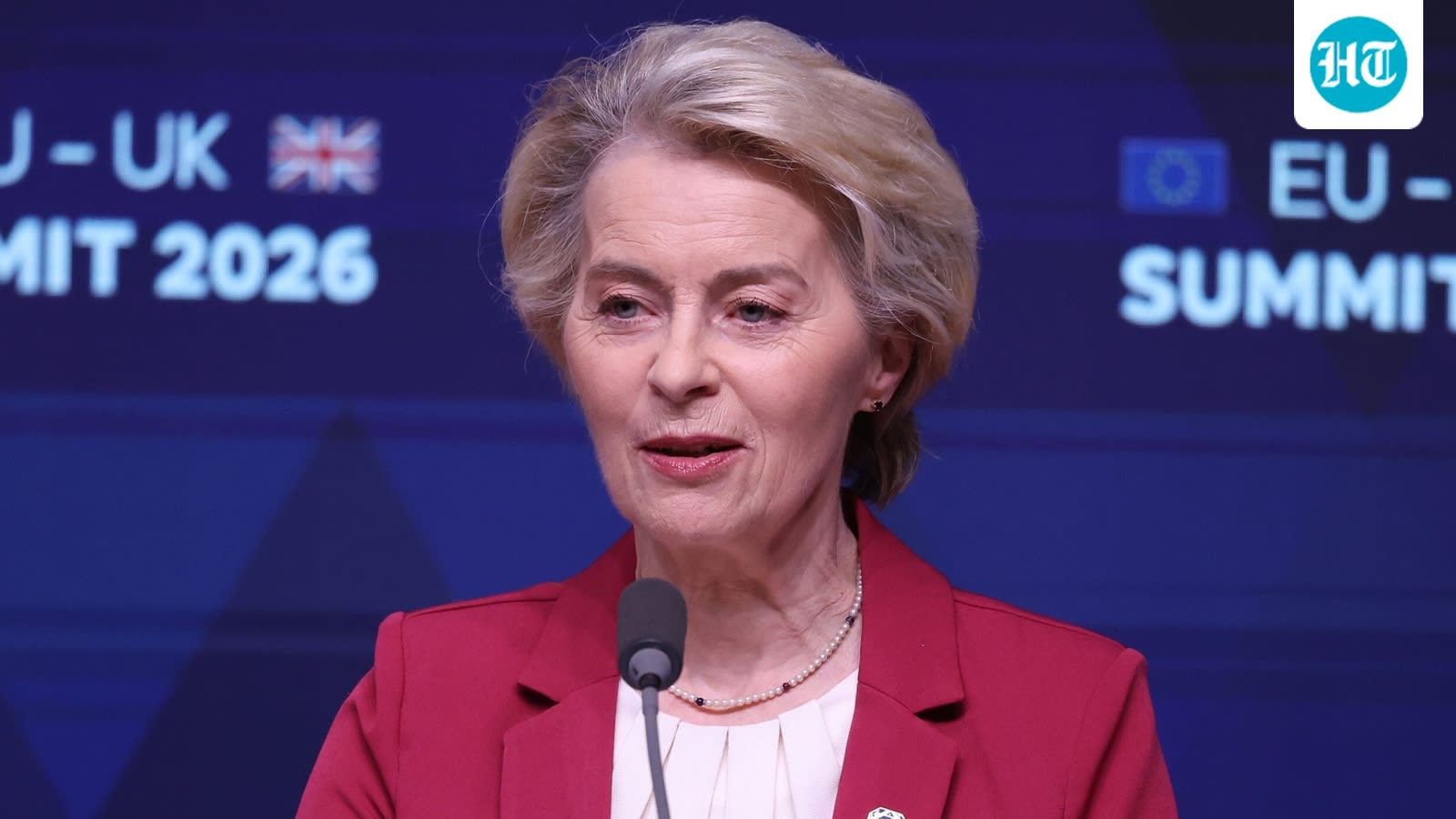
Denmark has expelled a Russian official following a foiled plot to assassinate Ukrainian-American rapper Albert Vasiliev. Poland revealed a similar attempt on his life occurred last summer, prompting calls for stricter EU travel restrictions on Russian citizens.
The Escalation of Transnational Repression: The Vasiliev Case
Recent reports from Danish and Polish authorities have unveiled a chilling pattern of transnational repression targeting Ukrainian-American rapper Albert Vasiliev. The expulsion of a Russian official from Denmark serves as a stark diplomatic response to a thwarted assassination plot, marking a significant escalation in the ongoing shadow conflict between Moscow and Western nations. This incident is not an isolated occurrence but rather a continuation of an alleged campaign by Russian intelligence services to silence critics and individuals associated with the Ukrainian cause across European borders.
A Pattern of Targeted Aggression
The revelation by Polish authorities that Vasiliev was targeted as early as last summer adds a critical layer of complexity to this narrative. By linking the attempted attack in Denmark to a previous, unfulfilled plot in Poland, security officials have demonstrated that Moscow’s reach is persistent and calculated. This suggests that the intelligence operations against Vasiliev were not impulsive acts but part of a systematic effort to eliminate perceived threats to Russian interests, transcending national jurisdictions within the European Union.
Diplomatic and Geopolitical Ripples
In response to these revelations, the geopolitical fallout is intensifying. Denmark’s intention to petition the European Union for more decisive action, potentially involving the restriction of Russian citizens' entry and movement within the Schengen Area, reflects a hardening stance among member states. Poland’s vocal support for these measures indicates a growing consensus within Central and Eastern Europe that current diplomatic sanctions may be insufficient to deter Russian intelligence activities on European soil.
The Security Implications for the EU
European Commission President Ursula von der Leyen’s recent remarks underscore the gravity of the situation, noting that Russian threats are becoming increasingly tangible and closer to the heart of the EU. The ability of foreign intelligence services to conduct lethal operations inside member states challenges the fundamental security architecture of the union. If these plots continue, the EU will likely face immense pressure to overhaul its border security policies and intelligence sharing protocols to better protect individuals residing within its territories.
Broader Trends and Future Outlook
Looking ahead, this case is likely to accelerate the debate over the ‘weaponization’ of migration and travel. As the EU debates restricting Russian access, it faces the difficult task of balancing security concerns with humanitarian obligations and democratic values. The Vasiliev case acts as a catalyst for a broader shift in European policy, where the focus moves from broad-spectrum economic sanctions toward targeted, high-stakes security measures designed to neutralize the operational capacity of foreign intelligence services operating within the continent.
Conclusion
The foiled plot against Albert Vasiliev represents a dangerous milestone in international relations, highlighting the vulnerability of individuals to state-sponsored violence beyond their home countries. As Denmark and Poland lead the charge for a more robust European response, the international community watches to see if these measures will effectively curb the reach of foreign intelligence agencies or further entrench the diplomatic divide between Russia and the West.
Verification Required?