Wyoming siblings clash over ranch held since 1928; court upholds $101k award
Source Entity
TOI WORLD DESK
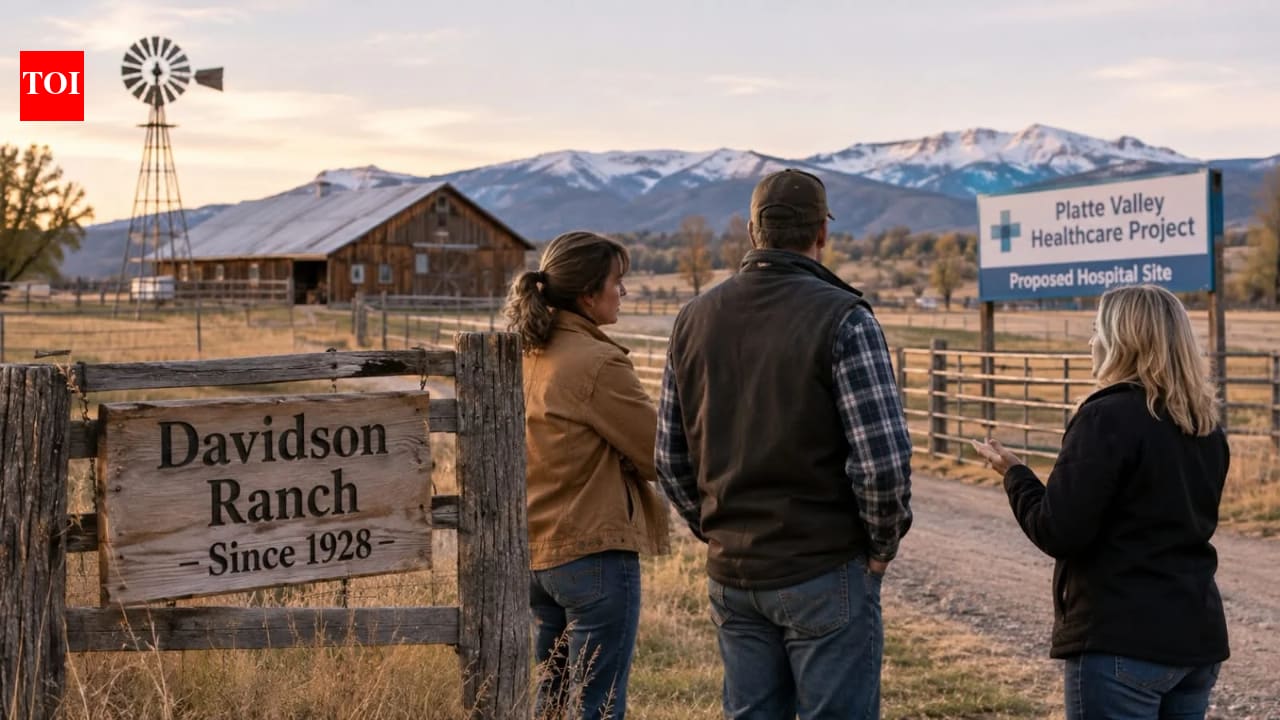
The Wyoming Supreme Court has upheld a $101,232 damages award against Suellen Davidson following a legal dispute with her siblings over a historic family ranch. The conflict centered on access rights and the obstruction of a land sale intended for a healthcare project.
Family Legacy vs. Legal Reality: The Wyoming Ranch Dispute
For nearly a century, the stewardship of a family ranch held since 1928 has served as a cornerstone of heritage for three siblings in Wyoming. However, what began as a shared inheritance has devolved into a complex legal battle, highlighting the precarious nature of intergenerational land ownership. The Wyoming Supreme Court’s recent decision to uphold a $101,232 damages award against Suellen Davidson marks a significant turning point in a dispute that pits personal grievances against the practicalities of property management.
The Anatomy of the Conflict
At the heart of the disagreement were two primary points of contention: access paths to the property and a proposed land transaction with the Platte Valley Healthcare Project. In many rural property disputes, access easements and usage rights are frequently contested, but this case was compounded by the siblings' intent to sell a portion of the land for a public health initiative. The involvement of Suellen Davidson ultimately disrupted an agreement her siblings had reached with the healthcare project, leading to a legal confrontation that reached the state’s highest court.
Legal Implications of Tortious Interference
The court's ruling centers on the concept of interference with a business contract. By obstructing the sale of land to the Platte Valley Healthcare Project, Davidson’s actions crossed the line from personal family disagreement into actionable legal liability. This case serves as a stark reminder that even within the context of family-held assets, contractual obligations to third parties carry significant weight. The $101,232 penalty is not merely a financial loss; it is a judicial reinforcement of the sanctity of business agreements, regardless of the emotional history attached to the land.
The Complexity of Inherited Property
Inherited property often carries deep sentimental value, which can frequently cloud the objective decision-making required for modern asset management. When siblings hold land in common, the lack of clear governance structures or preemptive agreements often leads to gridlock. This case illustrates the high cost of such paralysis, where the inability to reach a consensus on land use not only fractures personal relationships but also invites costly litigation that threatens the very asset the family seeks to preserve.
Future Trends in Land Disputes
As land values fluctuate and the pressure for development—such as healthcare facilities—increases in rural areas, similar disputes are likely to become more common. The Wyoming Supreme Court's decision sets a precedent for how courts may view family members who act unilaterally to block collective decisions. Moving forward, families may need to adopt more formal legal frameworks, such as Limited Liability Companies (LLCs) or clear trust agreements, to prevent personal disputes from undermining the economic viability of their ancestral holdings.
Conclusive Summary
The resolution of the dispute between the siblings underscores the necessity of balancing legacy with legal pragmatism. While the ranch has been in the family since 1928, the court has made it clear that private familial conflicts cannot supersede valid business interests. This ruling ensures that while the land may stay in the family, the rights of external partners and the legal obligations of the co-owners remain firmly protected under Wyoming state law.