Why is Russia sending dead princes, saints into Ukraine battle
Source Entity
AASTHA JHA
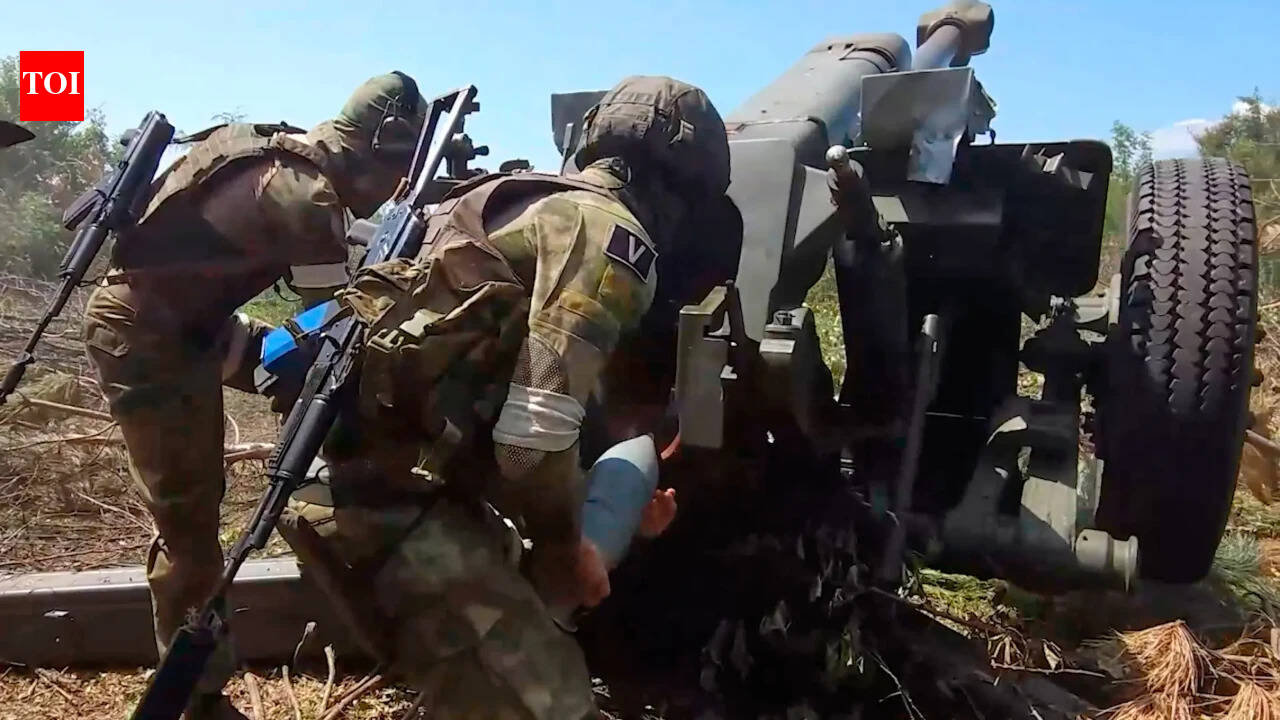
The Russian Orthodox Church is deploying historical relics, such as the remains of Prince Dmitry Donskoy, to military units in Ukraine. This practice highlights the deepening intersection of religious symbolism and state military strategy in the ongoing conflict.
The Intersection of Faith and Frontline Strategy
As the conflict in Ukraine persists into another grueling winter, the Russian military has increasingly turned to unconventional methods to bolster morale and ideological commitment among its troops. Recent reports indicate that the Russian Orthodox Church, in coordination with state authorities, has begun transporting the relics of medieval rulers and warrior saints to military bases stationed within Russian-occupied territories. This development marks a significant shift in how the Russian state utilizes historical and religious symbols to frame the current military campaign.
The Symbolism of Dmitry Donskoy
Central to this initiative is the deployment of a fragment of the remains of Dmitry Donskoy, the 14th-century Moscow prince. Donskoy holds a hallowed place in Russian history, primarily due to his leadership at the 1380 Battle of Kulikovo, an engagement often cited as a foundational moment for Russian identity and the eventual liberation from Mongol-Tatar rule. By transporting a relic—specifically a fragment of the hand believed to have wielded his sword—to the frontline, the state is actively invoking a historical parallel, positioning current soldiers as spiritual successors to a legendary defender of the Russian land.
A Deepening Kremlin-Church Alliance
This movement of relics highlights a burgeoning, symbiotic relationship between the Kremlin and the Russian Orthodox Church. Throughout the current conflict, the Church has played an increasingly prominent role in providing moral and existential justification for military operations. By embedding ecclesiastical artifacts within the military structure, the state effectively sacralizes the war effort, transforming a geopolitical conflict into a perceived historical and spiritual crusade. This alignment serves to consolidate domestic support and provide a transcendental narrative for the hardships faced by troops on the ground.
Psychological and Ideological Implications
For the soldiers stationed in eastern Ukraine, the presence of these relics is designed to serve as a potent psychological anchor. In the harsh conditions of the front, these artifacts are intended to provide a sense of divine protection and historical continuity. By bringing the 'warrior saints' to the bases, the military leadership is attempting to fortify the soldiers' resolve, framing their presence in Ukraine not merely as a strategic deployment, but as part of an unbroken lineage of Russian defensive warfare.
Historical Context and Modern Warfare
Historically, the use of religious icons and relics during times of war is a well-documented practice in various civilizations, intended to boost morale and solidify the legitimacy of the ruling power. In the Russian context, this reflects a strategic effort to reclaim and weaponize medieval history to serve modern nationalistic goals. This practice bridges the gap between the distant past and present-day military objectives, ensuring that the narrative of the 'protector of the faith and state' remains central to the soldiers' experience.
Future Trends in State-Religious Integration
As the war continues, it is likely that this integration of religious symbolism and military operations will only deepen. The reliance on such traditionalist imagery suggests a long-term strategy of prioritizing ideological cohesion over purely secular military doctrine. Observers should continue to monitor how these religious artifacts are utilized in propaganda and internal communications, as they offer a unique window into the Kremlin's efforts to define the spiritual stakes of the current conflict for its military forces.