Nepal battered by severe rain: 21 dead, 5 missing as floods, landslides worsen
Source Entity
VIJAYA SRIVASTAVA
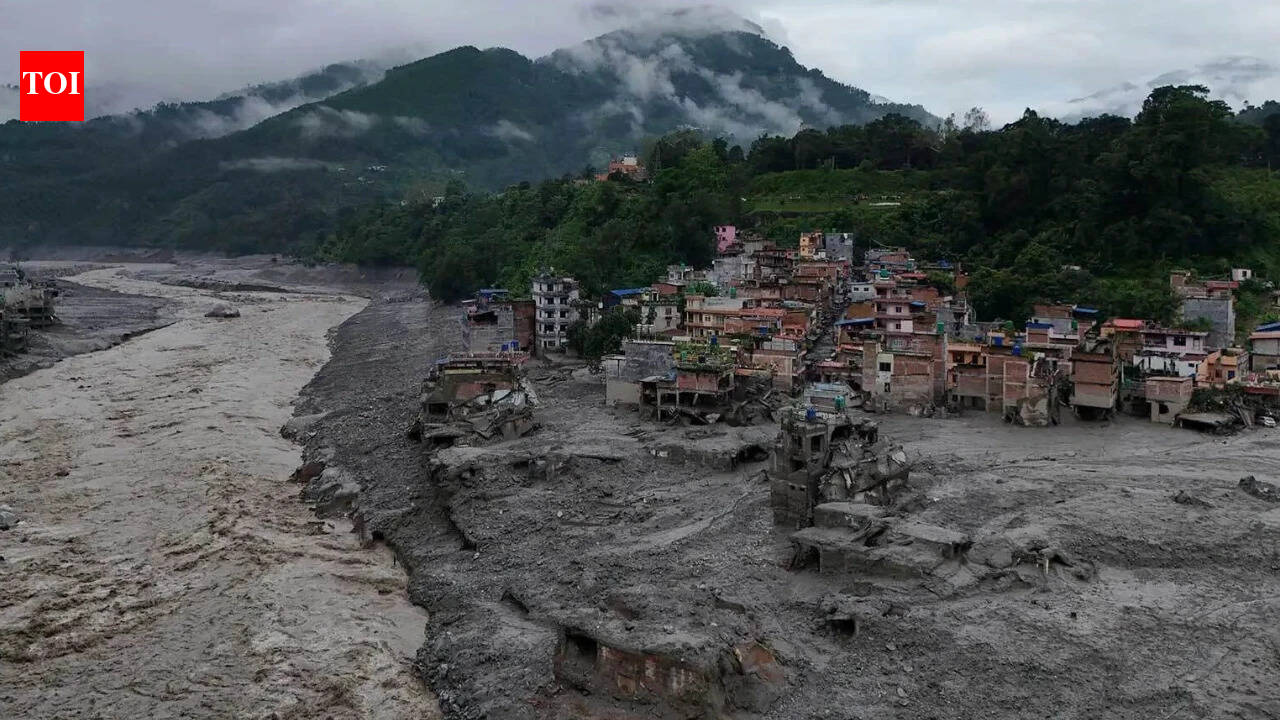
Torrential monsoon rains have triggered deadly floods and landslides across Nepal and northern India, resulting in at least 39 confirmed deaths and widespread displacement. Rescue operations are underway as authorities warn of continued risks to infrastructure and public safety in the affected regions.
Regional Monsoon Crisis: A Two-Nation Emergency
The Himalayan region and northern India are currently grappling with a catastrophic weather event as torrential monsoon rains trigger widespread destruction. In Nepal, the National Disaster Risk Reduction and Management Authority (NDRRMA) has confirmed 21 deaths, with five individuals still missing and thousands evacuated from high-risk zones. Simultaneously, northern India—particularly Uttar Pradesh—has reported 18 fatalities, underscoring the regional scale of this meteorological crisis.
The Mechanics of the Disaster
Landslides have emerged as the primary driver of mortality in Nepal, accounting for 14 of the 21 deaths. These geological failures are compounded by the blocking of river systems, which creates volatile conditions for downstream communities. With over 100 locations across Nepal recording rainfall exceeding 100 mm, the sheer volume of water has overwhelmed local drainage and infrastructure, necessitating the preemptive evacuation of 3,000 residents.
Impact on India’s Heartland
In India, the situation is equally dire, with Uttar Pradesh recording intense rainfall that has claimed 17 lives in just 48 hours. The state’s relief commissioner reported that 63 of 75 districts have experienced above-normal rainfall, with some areas receiving 19 times their standard daily allotment. The economic impact is significant, as the heavy downpours and high winds have caused extensive damage to standing crops, threatening the livelihoods of rural populations.
Infrastructure and Tourism Disruptions
Across the border in Uttarakhand, the severity of the weather has forced the suspension of the Char Dham Yatra, a critical pilgrimage route, highlighting the vulnerability of Himalayan transport networks. Authorities have issued stern warnings to tourists to avoid vulnerable areas, as the combination of unstable terrain and extreme precipitation creates a persistent threat of further landslides and structural collapse.
Climate Context and Future Trends
This wave of disasters follows the historically devastating Bhotekoshi floods, which previously resulted in over 1,400 deaths. The recurrence of such high-impact events aligns with concerns recently flagged by Nepal’s Prime Minister at the United Nations regarding Himalayan climate risks. As monsoon patterns become increasingly erratic and intense, the region faces a future where traditional disaster management frameworks may prove insufficient.
Conclusion and Outlook
As rescue and relief operations continue, the focus remains on stabilizing affected populations and managing the secondary risks of water-logging and infrastructure failure. The meteorological data suggests that extreme weather events in this corridor are becoming more frequent, necessitating a shift toward long-term climate adaptation strategies to protect both local residents and the significant tourist populations that traverse these fragile mountain ecosystems.
Multiple Citing Sources