IndiGo A321 enroute Blr suffers tail strike; plane lands safely in second attempt
Source Entity
SAURABH SINHA
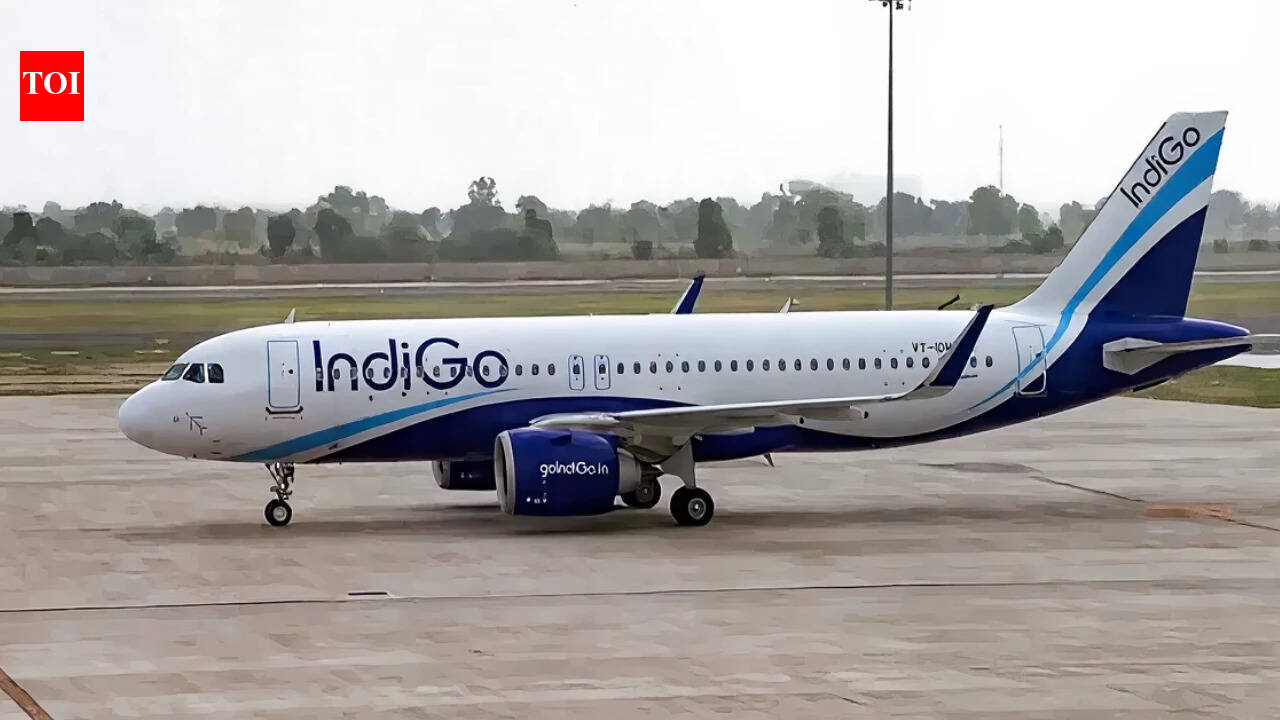
An IndiGo Airbus A321 suffered a tail strike during a second landing attempt at Bengaluru airport amid gusty winds. All passengers and crew disembarked safely, and the DGCA has launched an investigation into the incident.
Incident Overview: IndiGo Flight 6E 6542
On Sunday, an IndiGo Airbus A321 operating flight 6E 6542 from Guwahati to Bengaluru experienced an 'abnormal runway contact,' technically known as a tail strike, at Kempegowda International Airport. The incident occurred during a secondary landing attempt, necessitated by gusty weather conditions. Despite the structural impact, all passengers and crew members safely disembarked, and there were no reported casualties.
The Mechanics of a Tail Strike
A tail strike occurs when the aft section of an aircraft's fuselage contacts the runway during takeoff or landing. In the case of flight 6E 6542, the gusty weather conditions likely compromised the stability of the approach, requiring a 'go-around' maneuver. The subsequent landing attempt, potentially complicated by pilot corrective actions against wind shear or turbulence, resulted in an excessive pitch angle, causing the tail to strike the tarmac. This mechanical event triggers mandatory safety protocols, including immediate grounding for inspection.
Regulatory Response and DGCA Oversight
The Directorate General of Civil Aviation (DGCA) has promptly initiated a formal investigation into the incident. Beyond the immediate technical inspection of the Airbus A321, the regulator is engaging with IndiGo to review and potentially enhance pilot training protocols. This focus on training suggests that the DGCA is looking to ensure that crews are sufficiently prepared to handle the specific aerodynamic challenges posed by unpredictable weather patterns at major hubs like Bengaluru.
IndiGo’s Safety Protocols and Maintenance
IndiGo has confirmed that it followed all standard operating procedures (SOPs) following the incident, notifying relevant authorities immediately. The aircraft has been moved to a maintenance facility for rigorous structural integrity checks. These inspections are critical, as tail strikes can cause hidden damage to the pressure bulkhead or internal structural frames, which must be fully rectified before the aircraft is cleared for commercial service again.
Broader Implications for Aviation Safety
This incident highlights the inherent risks associated with operating large, narrow-body aircraft like the A321 in adverse weather. As airlines continue to expand their fleets, the interplay between pilot training and automated flight systems becomes increasingly vital. The industry often looks at such incidents as learning opportunities to refine landing techniques and decision-making during unstable approaches.
Future Trends and Conclusion
As the DGCA continues its probe, the aviation sector will likely see a renewed focus on wind-shear detection and go-around procedures. While the safety of the passengers was maintained, the incident serves as a reminder of the importance of rigorous maintenance and continuous pilot training. The outcome of the DGCA investigation will likely set the tone for future safety compliance measures for IndiGo and other domestic carriers operating similar fleet configurations in India.