Dad sold apartment, quit job; mom pledged gold: Making of India's latest WGM Sahithi
Source Entity
JYOTIRMOY HALDER
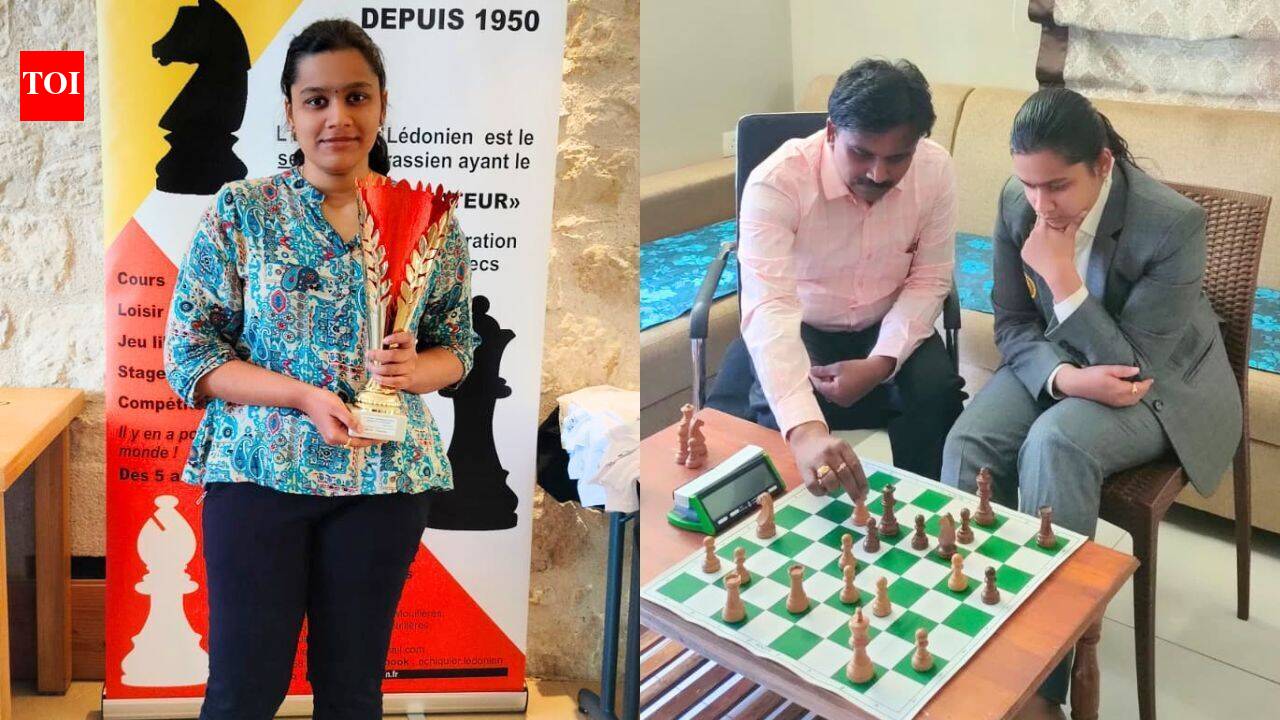
Sahithi Varshini Moogi has achieved the title of Woman Grandmaster through immense personal and financial sacrifice. Her journey, supported by her father's dedication, highlights the challenges faced by aspiring chess players in India.
The Path to Grandmaster: A Tale of Unwavering Sacrifice
Sahithi Varshini Moogi’s recent achievement of becoming India’s latest Woman Grandmaster (WGM) is a testament to the intersection of raw talent and profound familial sacrifice. In a sport often dominated by institutional support and early sponsorships, Sahithi’s ascent stands out as a grassroots victory. Her journey was not paved with ease; it was constructed through the deliberate dismantling of her family's financial stability to ensure her competitive presence in the chess circuit.
The Cost of Excellence
The financial burden of professional chess is significant, often requiring travel, coaching fees, and tournament entries that are beyond the reach of many middle-class families. For the Moogi family, the commitment went beyond mere encouragement. Her father, Lokeswara Moogi Rao, took the extraordinary step of selling the family apartment and pledging their gold assets to fund her career. Furthermore, he resigned from his job to serve as her full-time coach and mentor, effectively making her professional development the family's sole economic and emotional objective.
Resilience Against External Setbacks
Beyond financial hurdles, Sahithi faced the systemic disruption caused by the COVID-19 pandemic, which effectively erased nearly three years of critical competitive development. For a budding chess player, this time is essential for honing tactical sharpness and securing the necessary norms for the WGM title. The loss of momentum during these years could have derailed a less determined athlete, yet Sahithi and her father maintained their focus, proving that perseverance is as vital as theoretical knowledge in the game of chess.
The Absence of Institutional Support
The narrative surrounding Sahithi’s rise underscores a recurring theme in Indian sports: the lack of 'godfathers' or corporate backing for rising talent. Unlike athletes who receive early state sponsorship or academy support, Sahithi’s path was built on individual grit. Her success, while celebrated by figures like former Andhra Pradesh Chief Minister Chandrababu Naidu, highlights a reliance on parental sacrifice rather than a structured pipeline for chess prodigies.
Looking Toward the Future
As Sahithi Varshini enters the ranks of India’s Woman Grandmasters, her story serves as both an inspiration and a critique of the support systems available to young players. While she has reached this milestone through sheer willpower, the sustainability of such a model is questionable. Her future in the sport will likely depend on securing formal backing to compete at higher levels, allowing her to transition from the struggle of the climb to the focus of elite-level performance.
Conclusion
Sahithi Varshini Moogi’s achievement is more than a title; it is a profound reflection of the sacrifices required to excel in modern Indian chess. While the sport continues to grow in popularity—evidenced by the success of her peers like Gukesh and Divya Deshmukh—the story of the Moogi family serves as a reminder that behind every grandmaster title, there is often a quiet, grueling, and deeply personal battle that remains hidden from the spotlight.