Former Congress MP Sajjan Kumar, convicted in 1984 anti-Sikh riots case, dies at 80
Source Entity
KARAN MANRAL
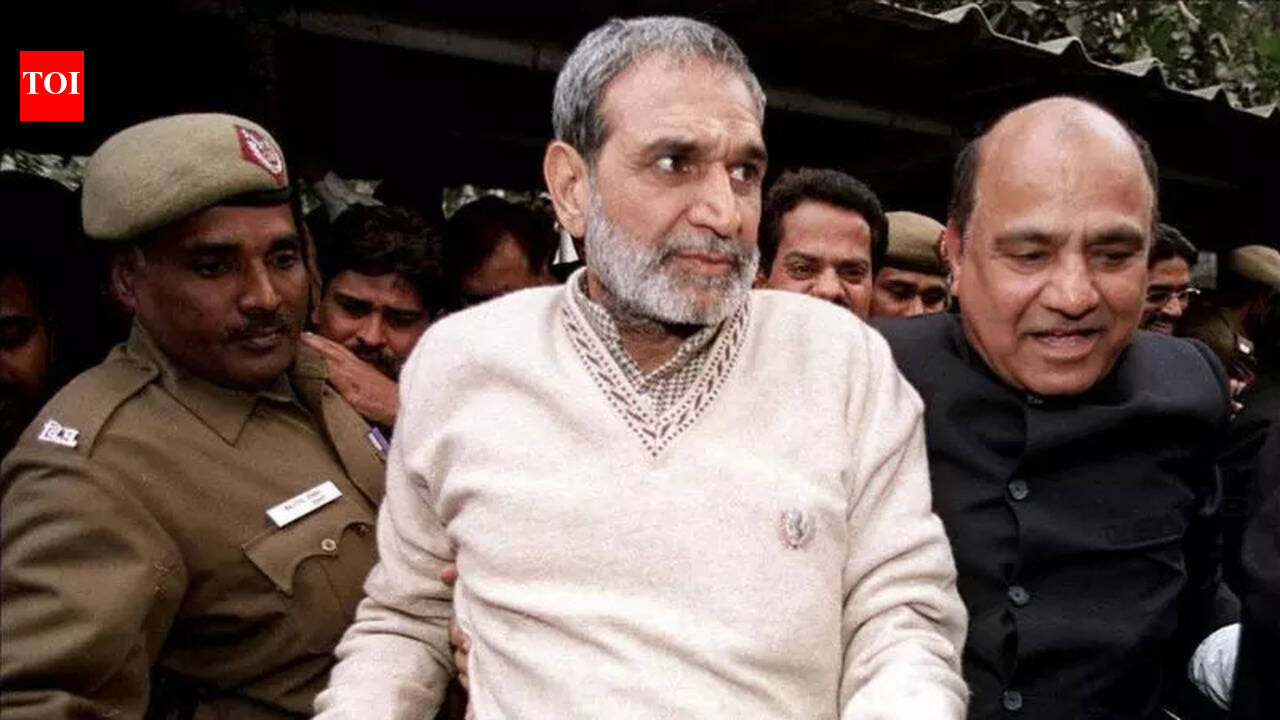
Former Congress MP Sajjan Kumar, a key figure in the 1984 anti-Sikh riots, has passed away at 80 while serving a life sentence in Tihar Jail. His death follows a long legal battle that culminated in his conviction and subsequent resignation from the Congress party in 2018.
The Passing of a Controversial Political Figure
Sajjan Kumar, a former Congress Member of Parliament and a dominant figure in Delhi’s political landscape for decades, has passed away at the age of 80. At the time of his death, Kumar was incarcerated in Delhi’s Tihar Jail, where he had been serving a life sentence for his involvement in the 1984 anti-Sikh riots—a tragic period of communal violence that erupted across the national capital following the assassination of former Prime Minister Indira Gandhi.
A Meteoric Rise in Delhi Politics
Before his legal downfall, Sajjan Kumar was a formidable force within the Congress party. His political journey began in 1977 when he was elected as a councillor, marking the start of a career that saw him become a close confidant of Sanjay Gandhi. His influence was particularly pronounced in outer Delhi, a region where he commanded significant support. Kumar’s transition from a bakery owner to a three-time Lok Sabha MP—winning his seat in 1980, 1991, and 2004—reflected his deep-seated connections and organizational strength within the Delhi unit of the Congress.
The 1984 Riots and Legal Accountability
The defining moment of Kumar’s public life, and the primary cause of his later infamy, was his role in the 1984 anti-Sikh riots. For decades, the legal system grappled with allegations regarding his participation in the orchestrated violence against the Sikh community. The pursuit of justice for the victims remained a central demand of civil society and political activists, eventually leading to a landmark conviction that signaled a shift in how the Indian judiciary handled cases involving high-profile political figures accused of communal violence.
Conviction and Political Exile
In December 2018, the legal proceedings reached a critical juncture when Kumar was convicted for his role in the riots. This conviction was not only a personal catastrophe for the veteran leader but also a major political embarrassment for the Congress party. Shortly after the court’s verdict, Kumar resigned from the party, effectively ending a long-standing political career that had once made him a kingmaker in Delhi. His subsequent incarceration in Tihar Jail marked the final chapter of a trajectory that moved from legislative power to judicial sanction.
Broader Implications and Historical Context
The death of Sajjan Kumar serves as a reminder of the enduring scars left by the 1984 riots on India’s national psyche. His life story illustrates the complex and often contentious relationship between political power and accountability in the Indian democracy. The case against him was long cited as a litmus test for the independence of the Indian judicial system, and his eventual conviction and death in custody highlight the slow but persistent nature of the search for truth in cases of mass communal unrest.
Conclusion
Sajjan Kumar’s legacy remains inextricably linked to one of the darkest chapters of post-independence India. While he was once celebrated as a powerful organizer and a successful politician, his later years were defined by the consequences of his actions during the 1984 riots. As he passes away while still serving his sentence, his story remains a stark testament to the reality that, regardless of political stature, the wheels of justice—though sometimes slow—continue to turn.
Multiple Citing Sources