‘Satluj’ row: Government panel raises UAPA spectre, ‘misuse’ by Pakistan
Source Entity
Apurva Vishwanath
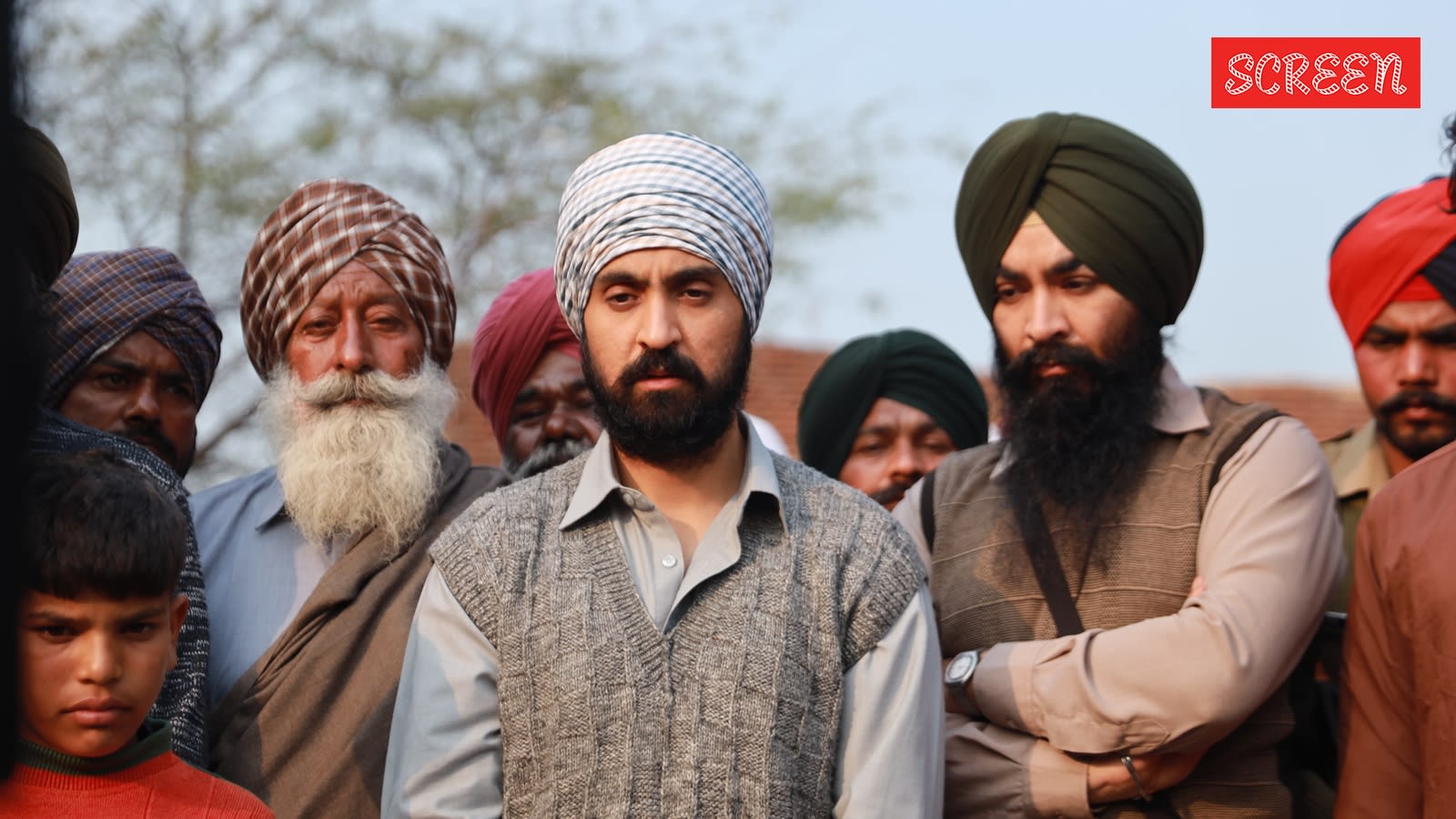
IN ITS order recommending the film “Satluj” remain blocked from public access, the government panel has raised the spectre of the Unlawful Activities (Prevention) Act by observing that “Khalistan-rela...
The 'Satluj' Controversy: National Security vs. Cinematic Expression
Introduction
The recent recommendation by a government panel to block the film "Satluj" has ignited a significant debate regarding the boundaries of cinematic freedom and the imperatives of national security. By invoking the specter of the Unlawful Activities (Prevention) Act (UAPA), the panel has signaled that the film's content is viewed not merely as entertainment, but as a potential tool for political destabilization. This decision underscores the heightened sensitivity of the Indian state toward media that may intersect with sensitive separatist narratives and external geopolitical interference.
The UAPA Spectre and Legal Implications
Central to this controversy is the mention of the Unlawful Activities (Prevention) Act (UAPA). This stringent law is designed to combat activities that threaten the sovereignty and integrity of India. The panel's observation suggests that "Satluj" contains elements that could be interpreted as promoting unlawful activities or supporting separatist ideologies. By raising the UAPA spectre, the government is indicating that the film poses a risk that transcends mere offense, moving into the realm of legal violations concerning national stability and the prevention of organized unlawful movements.
Geopolitical Dimensions: The Pakistan and Khalistan Link
A critical component of the panel's recommendation is the concern regarding the "misuse" of the film by both external and internal actors. Specifically, the panel has highlighted the potential for the film to be exploited by Pakistan to further its geopolitical interests. Furthermore, the connection to Khalistan-related elements suggests a fear that the film could provide ideological fuel to separatist movements. This intersection of media and geopolitics highlights how cinematic content can become a battlefield in the ongoing tensions between India and its neighbors, where narratives are weaponized to influence public opinion.
The Intersection of Media and Separatism
The mention of Khalistan-related elements adds a layer of domestic security concern to the issue. In the context of Indian politics, narratives surrounding the Khalistan movement are historically and politically sensitive. The panel’s decision reflects a proactive stance to prevent the dissemination of content that could potentially radicalize or mobilize individuals toward separatist causes. This underscores a broader trend where the state closely monitors media that touches upon volatile regional and identity-based issues to prevent domestic unrest.
Balancing Censorship and National Security
The "Satluj" row brings to the forefront the perennial tension between the right to freedom of expression and the state's duty to maintain public order and national security. While filmmakers often argue for the necessity of portraying diverse or controversial perspectives, the government's role as a regulator involves mitigating risks of civil unrest or external interference. The recommendation to block "Satluj" serves as a clear indicator of where the current regulatory threshold lies when content is perceived to overlap with existential national security concerns.
Conclusion
In summary, the recommendation to block "Satluj" is a complex decision rooted in the intersection of law, geopolitics, and national security. By linking the film to the UAPA and potential misuse by Pakistan and Khalistan-related groups, the government panel has framed the issue as a matter of state integrity rather than simple censorship. As this situation evolves, it will likely continue to spark discussions on how a democratic nation balances the protection of its borders and internal stability with the liberties of its creative industries.