The ‘Satluj’ saga: How a film shining light on Punjab tragedy cannot reignite militancy
Source Entity
Manraj Grewal Sharma
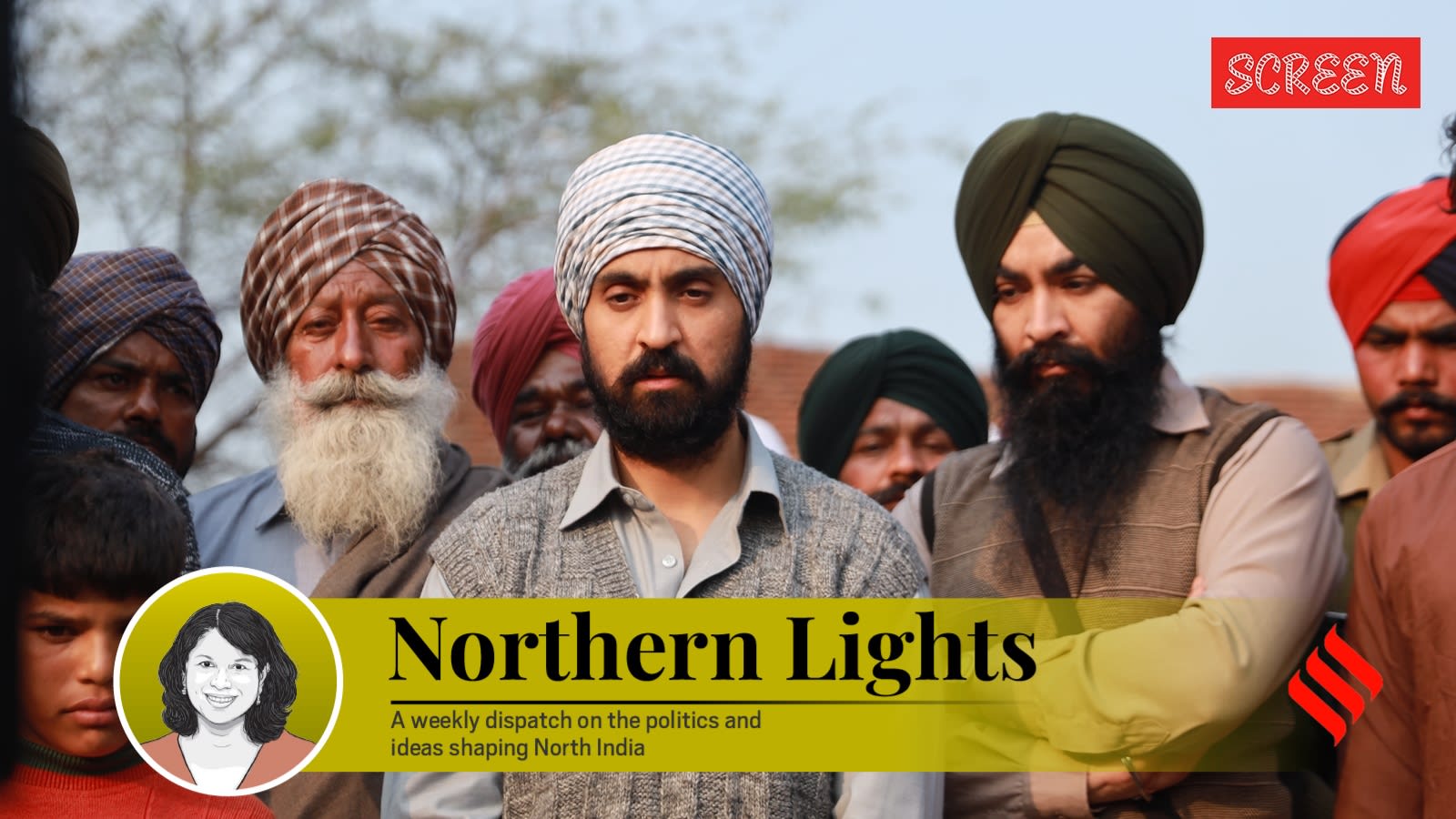
It took barely two days for the film “Satluj”, marking its release and removal on the OTT platform ZEE5, to drag Punjab’s “dark decade” back into everyday conversations. In the border belt of Majha, w...
The 'Satluj' Saga: Memory, Censorship, and the Shadow of Militancy
The sudden appearance and rapid disappearance of the film "Satluj" on the ZEE5 OTT platform has acted as a catalyst for a broader, more painful conversation regarding Punjab's history. By remaining available for only two days, the film managed to breach the surface of a carefully maintained silence surrounding the state's "dark decade." This event highlights the volatility of historical memory in regions that have experienced significant trauma and the precarious balance that streaming platforms must maintain between provocative storytelling and state-mandated stability.
Understanding the 'Dark Decade'
To understand the gravity of the "Satluj" controversy, one must look back at the "dark decade" mentioned in the reports. This period, primarily spanning the 1980s and early 1990s, was characterized by a violent insurgency and a subsequent heavy-handed state crackdown in Punjab. The era left deep scars on the psyche of the population, involving thousands of disappearances, extrajudicial killings, and widespread civil unrest. By centering its narrative on these tragedies, "Satluj" attempts to navigate the complexities of state violence and militant aggression—a subject that remains highly sensitive in contemporary Indian politics.
The Tension Between Remembrance and Incitement
The core of the debate lies in the fear that such cinematic depictions could "reignite" militancy. Critics and state authorities often argue that revisiting these narratives can romanticize the insurgency or provide a psychological blueprint for modern radicalization. However, the analysis suggests a disconnect between the act of remembering tragedy and the act of inciting violence. The removal of the film suggests a "preventative" approach to censorship, where the potential for social unrest is prioritized over the artistic necessity of processing collective trauma through film.
Regional Sensitivity in the Majha Belt
The specific mention of the Majha border belt is crucial to this analysis. This region has historically been the epicenter of both militant activity and security operations. In these areas, the memories of the "dark decade" are not merely historical footnotes but lived experiences passed down through generations. When a film like "Satluj" surfaces, it doesn't just tell a story; it triggers a visceral reaction in a community that has felt the direct impact of both the insurgency and the state's response, making the film's removal a point of contention regarding who gets to control the narrative of the borderlands.
The Evolving Role of OTT Censorship
The role of ZEE5 in this saga underscores the evolving nature of censorship in the digital age. Unlike traditional theatrical releases, which undergo a rigorous process by the Central Board of Film Certification (CBFC), OTT content has historically operated in a more fluid regulatory environment. The rapid removal of "Satluj" indicates that platforms are increasingly sensitive to political pressures and the potential for "digital wildfires." This creates a chilling effect where creators may avoid sensitive historical subjects to ensure their work remains accessible, effectively sanitizing history for the sake of corporate and political convenience.
Conclusion: The Struggle for Reconciliation
In summary, the "Satluj" saga is less about a single movie and more about the ongoing struggle to reconcile with a violent past. While the fear of reigniting militancy is a powerful driver for censorship, the act of erasing these stories often prevents the healing process necessary for long-term stability. The brief window of the film's availability served as a reminder that the wounds of Punjab's dark decade are still open, and that cinema remains one of the most potent, albeit dangerous, tools for exploring the intersections of tragedy, memory, and identity.