‘Civic bodies moving in right direction’: Supreme Court won’t disturb HC proceedings over Delhi building collapse
Source Entity
Ananthakrishnan G
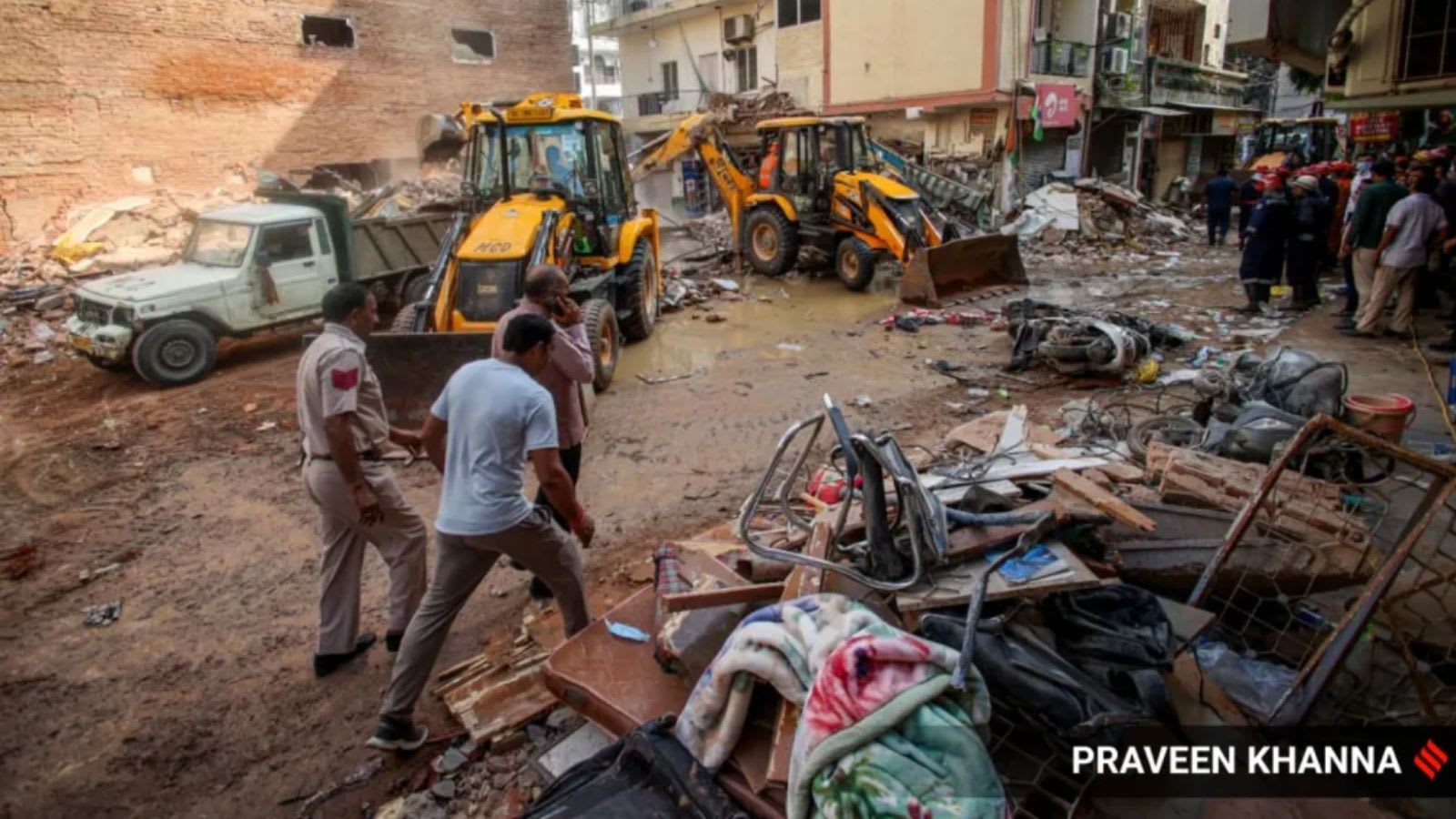
Following a tragic building collapse in Delhi’s Satya Niketan that killed seven, authorities have formed a high-powered committee to regulate student housing. The Supreme Court is overseeing judicial proceedings while the municipal corporation has intensified safety surveys and accountability measures.
The Satya Niketan Tragedy: A Catalyst for Regulatory Reform
The tragic collapse of a five-storey student hostel in South West Delhi’s Satya Niketan, which resulted in the loss of seven lives, has ignited a significant administrative and judicial response. This incident has exposed the precarious nature of unregulated student accommodations in the capital, where demand often outstrips supply, leading to the proliferation of unsafe, high-density living spaces. The gravity of the situation has prompted immediate intervention from both the Lieutenant Governor and the judiciary.
Administrative Oversight and Policy Shifts
In response to the disaster, Lieutenant Governor Taranjit Singh Sandhu has approved the formation of an 18-member high-powered committee, chaired by Education Minister Ashish Sood. This committee is tasked with bridging the critical gap between the demand for student housing and the availability of safe, regulated facilities. By aiming to create a centralized database, the government seeks to bring transparency to a sector that has historically operated in the shadows, often bypassing building safety codes and occupancy norms.
Judicial Intervention and Accountability
The Supreme Court of India, under a bench consisting of Justices A Amanullah and R Mahadevan, has opted to allow the Delhi High Court to continue its monitoring of the case. By accepting the recommendations of the amicus curiae, the apex court has signaled that current efforts by civic bodies are moving in the "right direction." This judicial oversight ensures that the investigation into the collapse remains rigorous and that the accountability of municipal authorities is maintained at short, frequent intervals.
Municipal Action: Surveys and Suspensions
The Municipal Corporation of Delhi (MCD) has faced intense scrutiny following the collapse. In a rapid response to the Delhi High Court's directives, the MCD surveyed 1,355 PG (paying guest) buildings across the city within a three-day window. This aggressive audit resulted in the identification of three buildings in the South Zone—the same area as the collapse—as "visibly dangerous," housing 69 occupants who now require relocation. Furthermore, the suspension of three engineers for dereliction of duty underscores a shift toward holding officials accountable for unauthorized construction.
Broader Implications for Urban Safety
This incident highlights a systemic failure in urban planning and building regulation within Delhi. The prevalence of illegal shops in basements, such as those recently sealed in Chandni Chowk, alongside the unregulated conversion of residential buildings into high-density student hostels, points to a larger crisis of enforcement. The current focus on creating "safe, affordable and regulated" hostels is not merely a reactionary measure but a necessary step toward preventing future urban disasters.
Future Trends and Conclusion
Moving forward, the success of these initiatives will depend on the sustained enforcement of safety standards and the cooperation of educational institutions in providing sanctioned accommodation. The move toward a centralized reporting mechanism for students to voice concerns represents a progressive step in empowering residents to act as watchdogs. As the High Court continues to monitor the situation, the ongoing surveys and policy reforms suggest a potential turning point in how Delhi manages its dense, student-centric residential infrastructure.