After Satya Niketan, the rebuilding of the city must begin
Source Entity
Gautam Bhatia
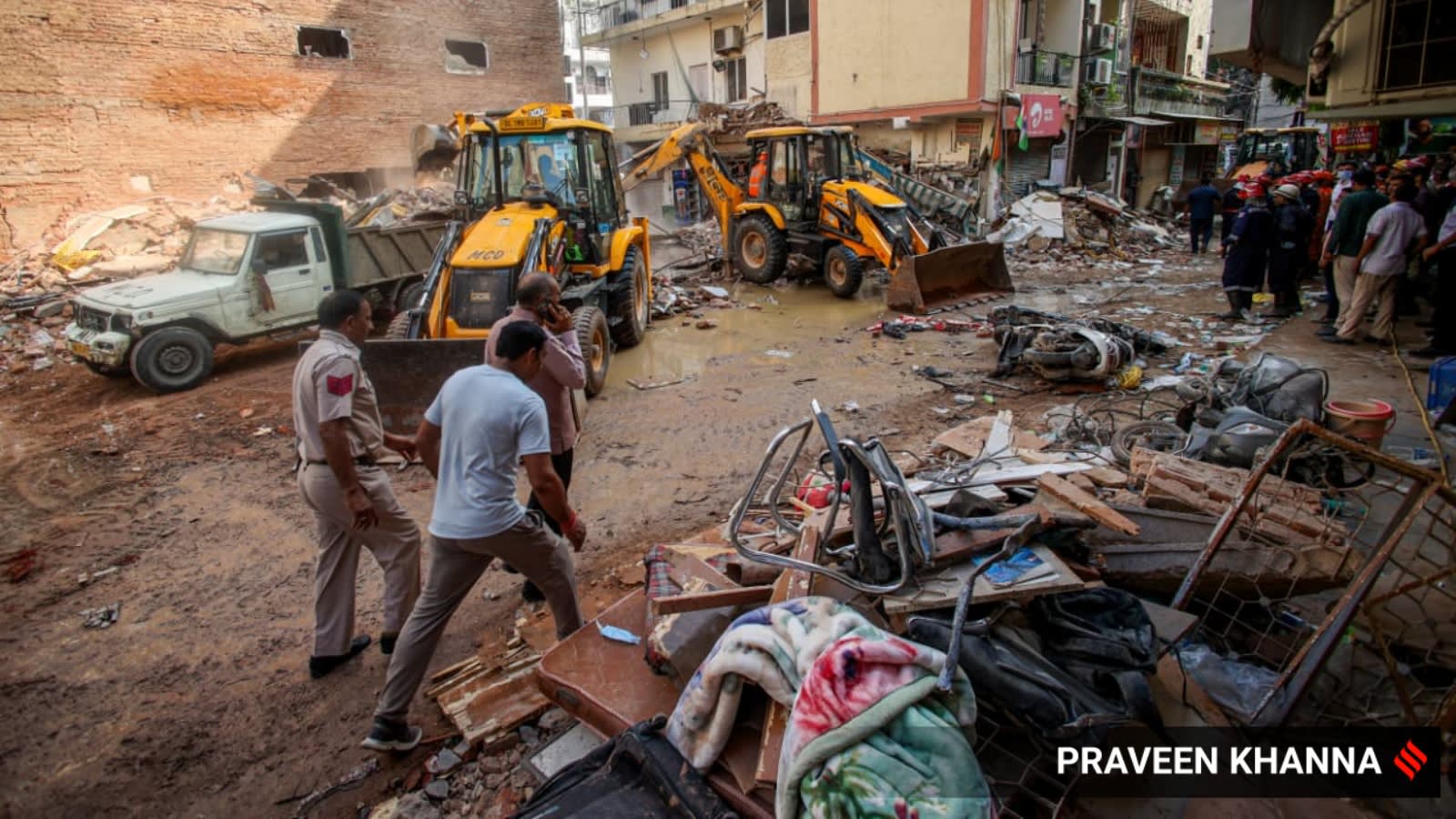
Following a deadly building collapse in Delhi's Satya Niketan, the MCD has launched a citywide crackdown on illegal PG accommodations. The tragedy has sparked urgent legal and civic debates regarding structural safety and monsoon-related urban vulnerabilities.
The Satya Niketan Tragedy: A Catalyst for Urban Reform
The recent building collapse in Satya Niketan, which resulted in the tragic deaths of seven students, has exposed the precarious state of urban infrastructure in Delhi. As monsoon rains exacerbate the structural instability of aging, unauthorized constructions, the city faces a recurring crisis where water infiltration into foundations leads to catastrophic failures. This event serves as a grim reminder that when civic governance fails to address the proliferation of illegal structures, the human cost is often borne by the most vulnerable residents, in this case, students living in makeshift accommodations.
The Failure of Oversight and Compliance
At the heart of the Satya Niketan collapse lies a systemic failure of building codes and safety regulations. The building was not only unauthorized but also situated in a high-density neighborhood, making its structural integrity highly susceptible to environmental stressors. The incident raises fundamental questions: Was the building plan ever sanctioned? Did it comply with the Master Plan of Delhi? The lack of adherence to fire safety guidelines and occupancy limits turned a basic residential structure into a death trap during the monsoon season.
Regulatory Crackdown and the MCD Survey
In the aftermath of the tragedy, the Municipal Corporation of Delhi (MCD) has initiated a widespread survey of paying guest (PG) accommodations across the capital. With over 1,000 buildings already inspected, the authorities are now enforcing a strict checklist that includes fire NOCs and building plan sanctions. This crackdown represents a reactive shift in policy, aiming to curb the mushrooming of illegal constructions that have long operated in the shadows of Delhi's dense urban landscape.
Judicial Scrutiny and Procedural Challenges
The legal fallout of the collapse has reached the Delhi High Court, highlighting the tension between rapid demolition for safety and the need for due process. When the court declined an urgent hearing regarding the demolition of an adjacent building, it underscored the necessity for evidence-based governance. The court's insistence that authorities conduct proper audits before demolition reflects a push toward more methodical civic management, preventing hasty actions that could potentially endanger remaining occupants or destroy critical evidence.
Climate Change and the Future of Urban Safety
Beyond the immediate tragedy, the Satya Niketan incident highlights the intersection of climate change and urban planning. As weather patterns become increasingly erratic, bringing sudden, intense rainfall, Delhi’s existing infrastructure is struggling to cope. The saturation of soil and foundations is no longer a localized issue but a systemic threat. Future urban development must prioritize climate-resilient engineering and rigorous enforcement of building standards to ensure that the city can withstand the environmental pressures of the coming decades.
Conclusion: The Path Forward
The rebuilding of the city must move beyond mere reactive crackdowns. While the MCD's current survey is a necessary step, long-term safety requires a fundamental shift in how unauthorized developments are handled. It is imperative that civic authorities integrate climate-adaptive safeguards with stricter, proactive enforcement of building codes to prevent such tragedies from recurring. The lives lost in Satya Niketan must serve as the impetus for a more transparent, accountable, and resilient approach to urban living.