Opinion: Opinion | Saudi Arabia's China Turn Has Begun - After Learning Much The Hard Way
Source Entity
NDTV News Search Records Found 1000
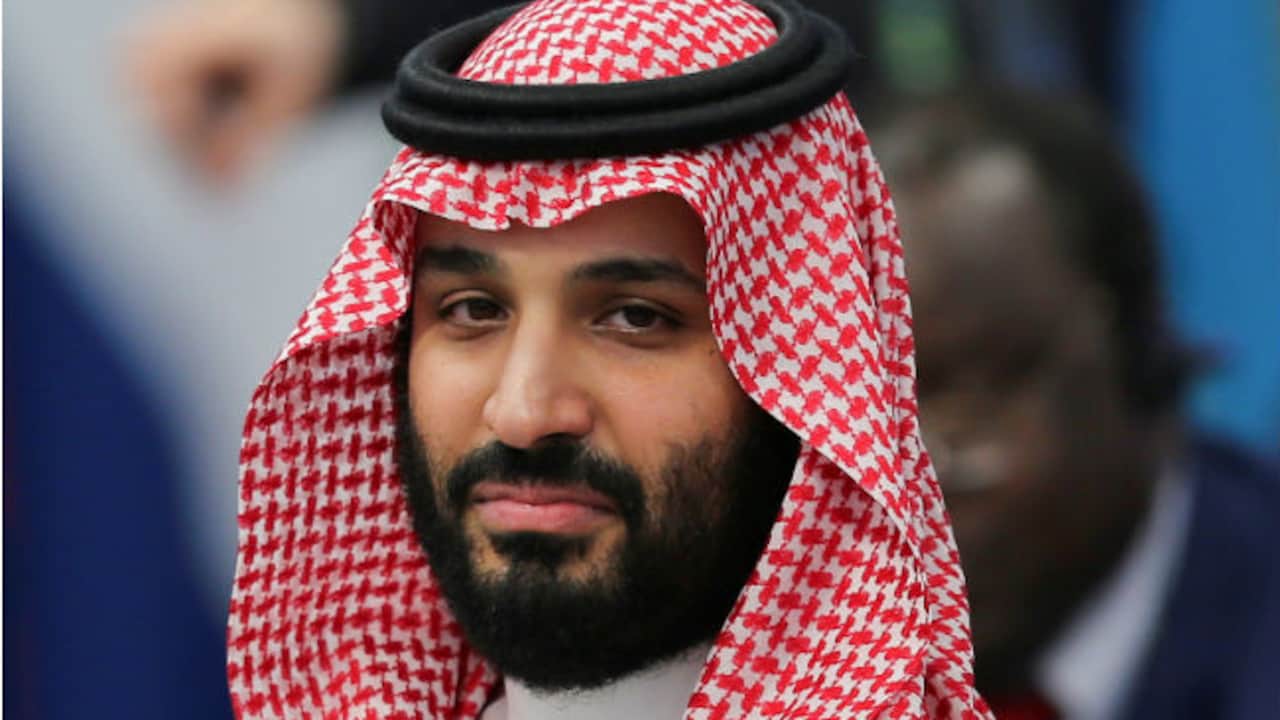
Saudi Arabia is increasingly pivoting toward China as a strategic partner to diversify its geopolitical alliances. This shift challenges the traditional security-for-oil framework that has long defined Riyadh’s relationship with the United States.
The Strategic Realignment of Riyadh
Saudi Arabia’s recent pivot toward China represents a fundamental shift in the Kingdom's foreign policy doctrine. Historically, the Saudi state has operated within a security architecture primarily anchored by its alliance with the United States. However, the current era of 'learning the hard way' suggests that Riyadh is no longer willing to rely on a single superpower for its national security and economic development. By deepening ties with Beijing, Saudi Arabia is signaling a transition toward a multi-aligned foreign policy designed to maximize its sovereign interests.
Economic Pragmatism and Energy Diplomacy
At the core of this transition is economic pragmatism. China stands as the world’s largest importer of oil and a critical market for Saudi energy exports. As Saudi Arabia pursues its 'Vision 2030' initiative—a massive undertaking to diversify its economy away from total dependence on hydrocarbons—China provides the necessary infrastructure investment and technological partnership that Western nations have been hesitant to provide in the same capacity. The alignment is logical, as China’s Belt and Road Initiative creates a synergy with Saudi developmental goals, allowing Riyadh to secure its economic future through non-Western capital.
The Geopolitical Balancing Act
This move has inevitably sparked tension within Riyadh's traditional alliance with the United States. For decades, the U.S.-Saudi relationship was defined by the 'oil-for-security' paradigm. As the U.S. shifts its global focus toward the Indo-Pacific and expresses a desire to reduce its military footprint in the Middle East, Saudi Arabia has perceived a vacuum that China is eager to fill. The question of whether the U.S. can 'stomach' this pivot is not merely about diplomatic friction; it is a fundamental challenge to the post-World War II order in the Persian Gulf.
Historical Context: From Monopolies to Multipolarity
Historically, the Middle East was a chessboard for Cold War proxies, where nations were forced to choose between the American or Soviet spheres of influence. Today’s reality is far more fluid. Saudi Arabia is effectively leveraging its position as a key energy producer to operate between these blocs, utilizing China's influence to gain leverage against American policy shifts. This represents a departure from the rigid alliances of the 20th century toward a 21st-century model of transactional, interest-based diplomacy.
Future Trends and Regional Implications
Looking ahead, we can expect Saudi Arabia to continue this balancing act, seeking to maintain military cooperation with the U.S. while expanding trade and diplomatic ties with China. This strategy, while risky, aims to insulate the Kingdom from the volatility of Western domestic politics. The ultimate success of this 'China Turn' will depend on whether Riyadh can navigate the inevitable pressures from Washington without compromising its core security guarantees. As global power dynamics shift, Saudi Arabia’s trajectory will likely serve as a blueprint for other middle powers navigating a multipolar world.
Verification Required?