India's marathon man: How a joyride hooked Sawan Barwal
Source Entity
Latest News: Todays Latest News Headlines from India & World | Hindustan Times | Hindustan Times
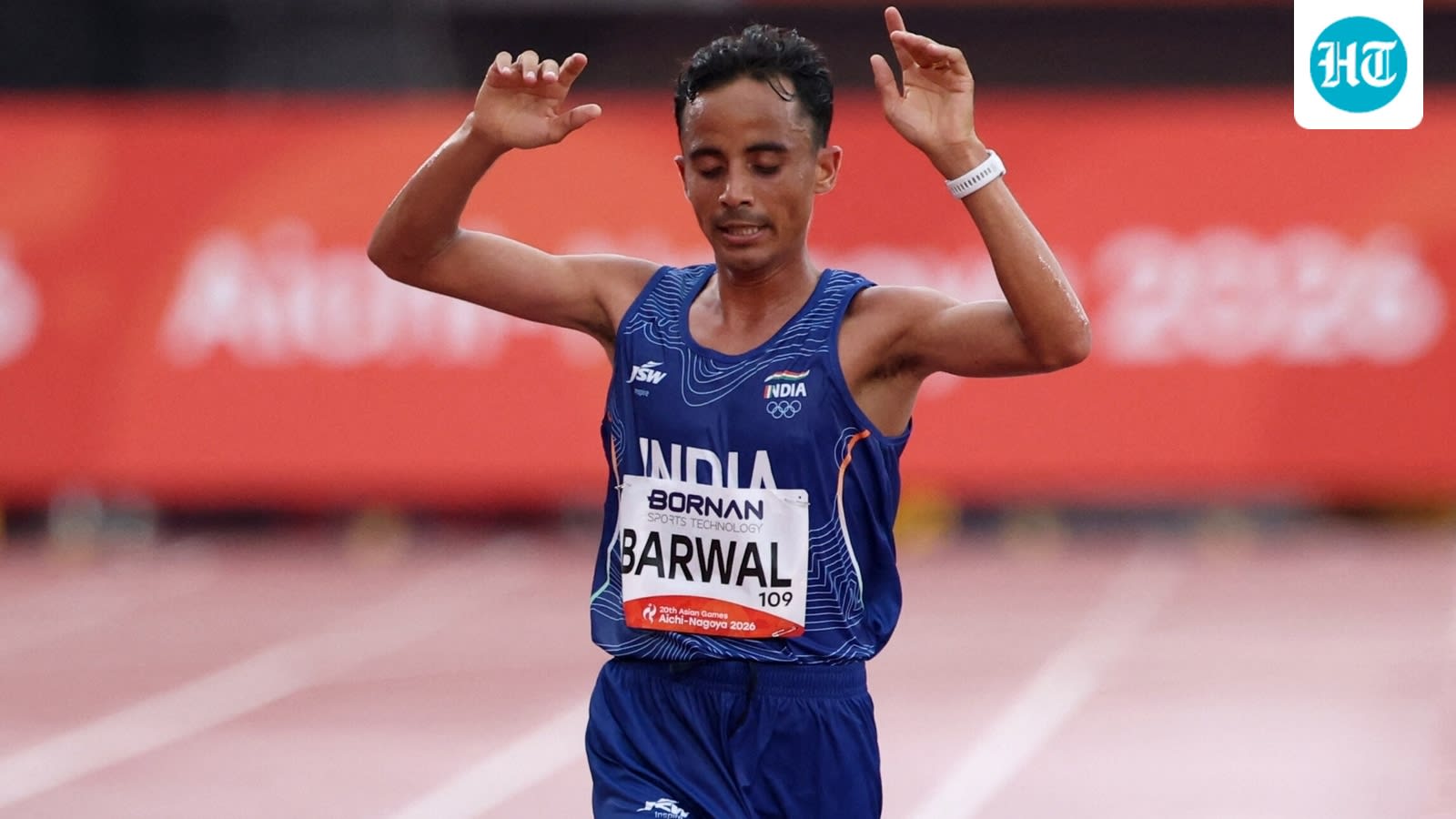
Sawan Barwal has made history by winning India's first Asian Games marathon medal in 44 years. The 28-year-old secured silver in Nagoya, Japan, setting a new national record in only his second competitive marathon.
A Historic Triumph in Nagoya
Sawan Barwal’s recent performance at the Asian Games in Nagoya, Japan, marks a watershed moment for Indian athletics. By securing a silver medal in the men’s marathon with a time of 2:11:37, Barwal has ended a 44-year medal drought for India in this grueling event. This achievement is particularly significant as he became the first Indian to win an Asian Games marathon medal on foreign soil, solidifying his place in the nation’s sporting history.
The Rapid Ascent of a Reluctant Athlete
Barwal's journey to the podium is an unconventional tale of serendipity. His initial exposure to athletics was driven by the promise of a simple joyride to a local village, rather than a deep-seated passion for the sport. As a schoolboy, his primary motivation for attending an athletics meet—where his elder brother was competing—was the bike ride offered by his Physical Education teacher. This humble start provides a stark contrast to his current status as an elite, jet-setting athlete.
Breaking Records and Barriers
Despite his late entry into professional long-distance running, Barwal has demonstrated remarkable progression. Having run his first competitive marathon only in April in Rotterdam, his success in Nagoya represents an extraordinary transformation. By lowering his own national record during the race, he proved that his performance was not merely a result of favorable conditions but a testament to his tactical discipline and grueling training regimen, which included an early 3:30 am start on race day.
The Tactical Race
Running on the damp streets of Nagoya, Barwal maintained a steady pace throughout the 42.195 km course. While he was unable to bridge the gap to Japan’s Ichitaka Yamashita, who claimed gold with a time of 2:10:49, Barwal’s ability to sustain his effort until the final stretch inside the Mizuho Park Athletic Stadium was decisive. His focus on achieving a medal and setting a national record highlights the meticulous planning behind his historic run.
Broader Implications for Indian Athletics
This silver medal serves as a beacon of progress for long-distance running in India. For decades, the marathon event has been a challenge for Indian athletes on the international stage. Barwal’s success suggests a shifting landscape where strategic training and international exposure are finally yielding tangible results. His career trajectory, moving from a schoolboy seeking a joyride to a record-breaking Asian Games medalist, serves as an inspiration for grassroots development in Indian sports.
Future Outlook
As Barwal continues to refine his craft, the focus will likely shift toward maintaining this momentum in future global competitions. Having competed in only two marathons, there is significant potential for further improvement in his endurance and speed. His rise from obscurity to national prominence underscores the importance of scouting and nurturing talent in unexpected places, potentially prompting a renewed investment in long-distance running programs across the country.
Verification Required?