SC orders separate space near MP's Bhojshala for Friday namaz between 1pm and 3pm
Source Entity
TOI NEWS DESK
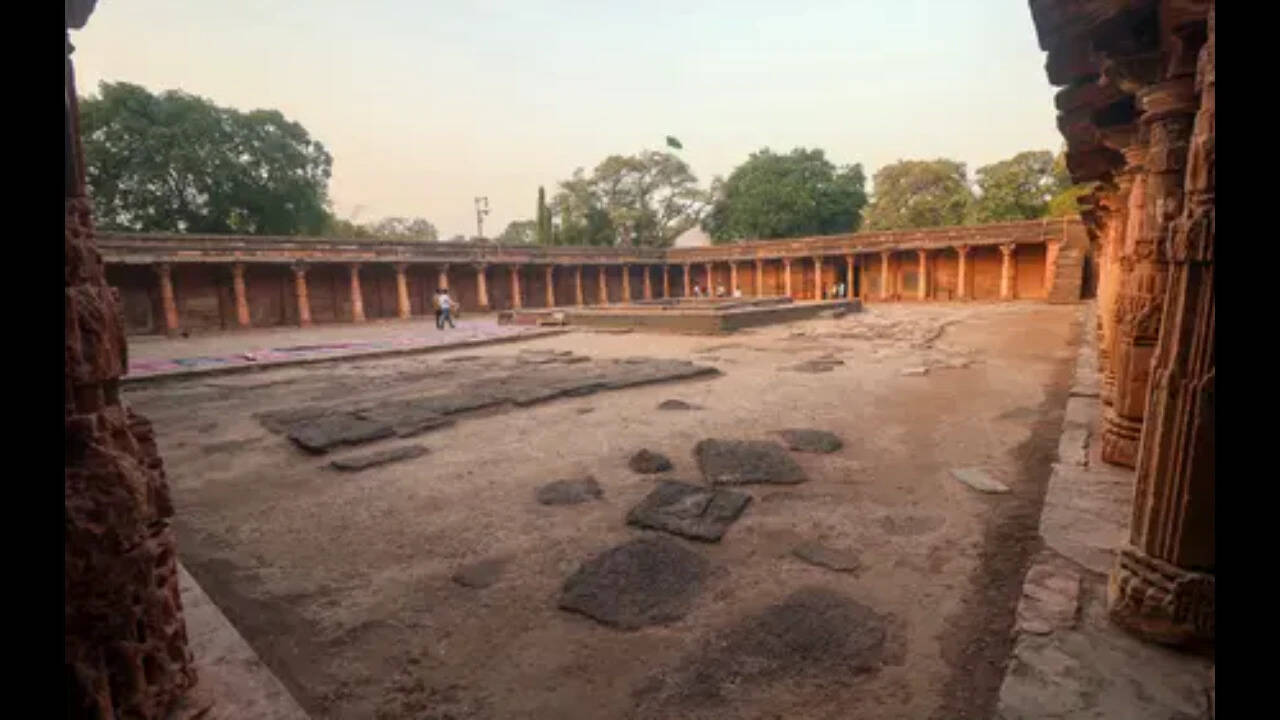
The Supreme Court directed that any ASI structural alterations require its prior permission in the Bhojshala row. Separate space for Friday prayers for Muslims adjacent to the site was also directed. Both Hindu and Muslim sides were urged to exercise restraint during proceedings.
Judicial Mediation in the Bhojshala Dispute: Balancing Faith and Law
The Supreme Court of India's recent intervention in the long-standing Bhojshala row in Madhya Pradesh represents a critical attempt to maintain communal harmony while the legal battle over the site's origin and ownership continues. By ordering the creation of a separate space adjacent to the site for Friday namaz between 1 pm and 3 pm, the court is implementing a pragmatic 'middle path' strategy. This directive aims to accommodate the religious requirements of the Muslim community without altering the existing status quo of the main structure, thereby mitigating the risk of immediate physical confrontations between competing claimants.
The Significance of the Friday Namaz Arrangement
The decision to allocate a specific time window and a separate physical area for prayers is a strategic move to decouple the act of worship from the territorial dispute. Historically, the Bhojshala site has been a flashpoint for tension, with both Hindu and Muslim groups claiming the site as their own. By shifting the namaz to an adjacent area, the court effectively creates a buffer zone, ensuring that religious practices can continue without triggering the volatility often associated with shared access to the core disputed structure. This approach reflects the judiciary's awareness of the high emotional and religious stakes involved in such cases.
Safeguarding Historical Integrity via ASI Restrictions
A pivotal aspect of the court's order is the restriction placed on the Archaeological Survey of India (ASI). The mandate that any structural alterations require prior permission from the Supreme Court is designed to prevent the 'irreversible modification' of the site. In disputes involving ancient monuments, the physical evidence—stone carvings, architectural layers, and foundations—serves as the primary witness. Any unauthorized change, whether for restoration or modification, could be perceived by one party as an attempt to erase historical evidence or 'Hinduize' or 'Islamize' the site, potentially leading to renewed unrest.
Socio-Political Implications and the Call for Restraint
The court's explicit urge for both sides to exercise restraint is not merely a formality but a necessary caution given the socio-political climate in Madhya Pradesh. The Bhojshala dispute is not just a legal battle over property; it is intertwined with identity politics and religious sentiment. The judiciary recognizes that legal verdicts alone cannot resolve deep-seated communal frictions. By calling for restraint, the court is signaling to the litigants and their supporters that the rule of law must supersede emotional impulses, warning against any attempt to take the matter into their own hands outside the courtroom.
Broader Legal Context and Precedents
This case follows a pattern seen in other high-profile Indian religious disputes, such as the Ayodhya case, where the court has had to balance archaeological findings with the rights of worship. The reliance on the ASI is central to these proceedings, as the court seeks a scientific determination of the site's original nature. However, the current order suggests that the court is prioritizing stability over a hasty conclusion. The focus is on managing the 'present' (prayer rights) while meticulously analyzing the 'past' (structural history).
Future Outlook and Potential Trajectories
Looking forward, the resolution of the Bhojshala row will likely hinge on a comprehensive and transparent report from the ASI. If the report provides conclusive evidence of the site's original identity, the court will be forced to make a definitive ruling on ownership. Until then, the temporary arrangement for Friday prayers will serve as a pressure-release valve. The success of this interim measure will depend heavily on the local administration's ability to enforce the boundaries of the 'separate space' and ensure that the 1 pm to 3 pm window does not become a catalyst for further friction.
Conclusion
In summary, the Supreme Court's order is a calculated exercise in conflict management. By regulating the timing and location of prayers and placing a leash on structural changes, the court is attempting to freeze the physical state of the monument while allowing the legal process to unfold. This approach underscores the judiciary's role as a mediator in a society where historical grievances and religious faith often collide.