Supreme Court rules out blanket firecracker ban, says no round-the-clock use
Source Entity
The Indian Express
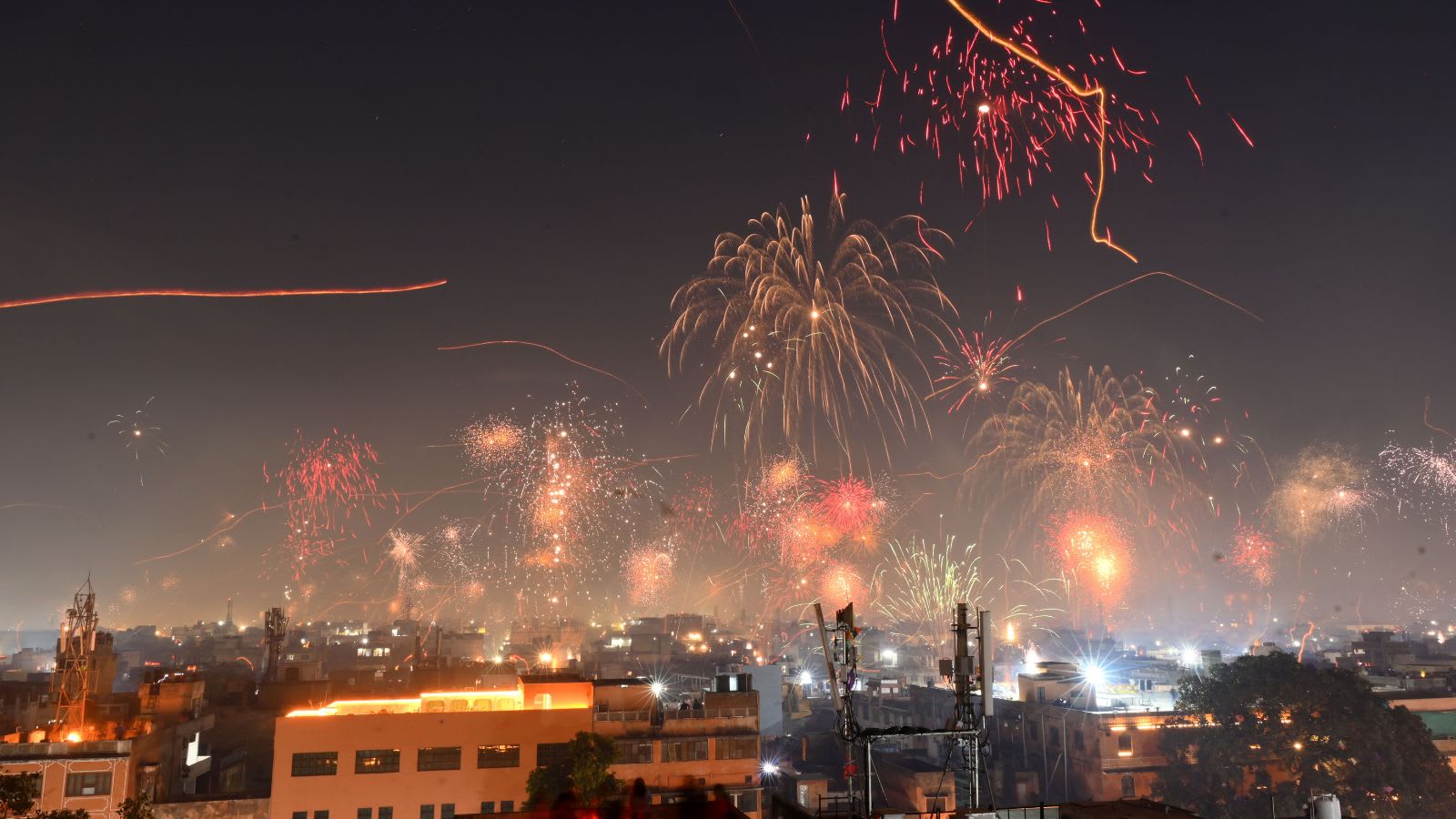
The Supreme Court has permitted the manufacture and use of next-generation joined green crackers while rejecting a total ban. The court aims to balance environmental concerns with public sentiment, while seeking further expert assessment on barium usage.
The Supreme Court's Balanced Approach to Firecracker Regulation
In a landmark development for the Indian fireworks industry and environmental policy, the Supreme Court of India has issued a nuanced directive regarding the use of firecrackers. A bench comprising Justices MM Sundresh and PB Varale explicitly rejected the demand for a total prohibition, citing the potential to negatively impact public sentiment. Simultaneously, the court acknowledged the hazards of unrestricted use, noting that allowing fireworks 24 hours a day would cause significant distress to the elderly, the sick, and children.
The Shift Toward 'Next-Gen' Green Crackers
The court’s decision pivots on the introduction of "specified next-generation joint green crackers." This move represents a strategic middle ground, allowing for traditional festivities to continue while mandating the adoption of cleaner, more environmentally conscious technology. By permitting the manufacture of these joined crackers—which were previously banned in 2018—the court has provided a vital lifeline to the Sivakasi fireworks industry, where joined crackers account for approximately 20% of total production.
Addressing the Barium Dilemma
Central to the ongoing legal discourse, which originated from a 2015 petition filed by minors including Arjun Gopal, is the chemical composition of firecrackers. The court has granted the Centre and relevant expert bodies until October 15 to complete a comprehensive assessment of the impact of barium content on ambient air quality. This deadline is critical, as it seeks to bridge the gap between scientific evidence and industry feasibility.
Economic Implications for Sivakasi
For the manufacturers in Sivakasi, the hub of India’s fireworks sector, the order is a significant milestone. Industry representatives, including those from the Tamil Nadu Fireworks and Amorces Manufacturers’ Association, have expressed relief. The industry has spent years in legal contention seeking to overturn the 2018 ban on 'chorsa' (joined crackers). The current ruling allows for their production, provided they strictly adhere to the standards set for green crackers.
Future Trends and Regulatory Oversight
Moving forward, the judiciary has signaled that it will not tolerate the "incessant" use of fireworks. The court is expected to establish specific time windows for firecracker usage to mitigate noise and air pollution. This regulatory framework suggests a trend toward "regulated celebration," where the state enforces strict time-bound usage to satisfy both cultural requirements and public health mandates. The upcoming assessment on barium will likely serve as the definitive benchmark for the next phase of firecracker regulations in India.