SC pulls up govt for 'denying' disabled soldiers their benefits
Source Entity
AMIT ANAND CHOUDHARY
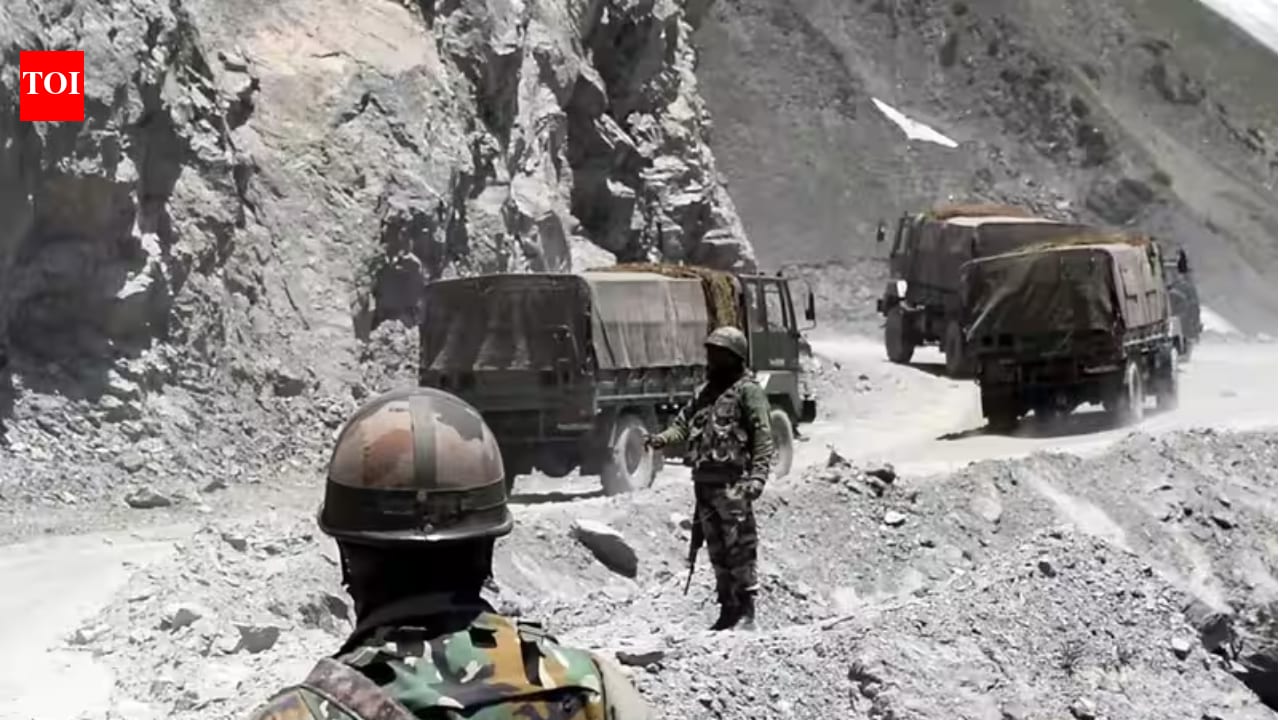
The Supreme Court has reprimanded the Indian government for aggressively litigating against disabled soldiers to deny them disability benefits. The court dismissed over 270 government appeals, citing a 2015 report that criticized the use of hyper-technical excuses to withhold veteran support.
Supreme Court Intervenes in Veteran Disability Rights
In a stern rebuke of administrative practices, the Supreme Court of India recently pulled up the Central government and the Ministry of Defence for their persistent efforts to deny disability benefits to injured soldiers. By junking over 270 appeals filed by the government against disabled veterans, the bench comprising Justices P.S. Narasimha and Alok Aradhe has signaled a shift toward protecting the rights of those who have served the nation, rather than allowing the state to exhaust them through endless legal battles.
The 'Hyper-Technical' Obstacle
The court’s intervention draws heavily from the 2015 Raksha Mantri Report, which explicitly acknowledged that disabled soldiers in India are frequently denied their rightful benefits based on "hyper-technical reasons." This institutionalized gatekeeping often involves bureaucratic hurdles that ignore the spirit of welfare policies, effectively trapping veterans in a cycle of litigation that spans from the Armed Forces Tribunal to the High Courts and finally the Supreme Court.
Patterns of Litigation Delay
A critical component of the Supreme Court's critique is the timing of these legal challenges. The bench highlighted that the government frequently files appeals after significant delays, creating a scenario of 'litigation fatigue.' For a disabled veteran, the financial and emotional toll of defending against the state in multiple judicial forums is immense. The court’s decision to dismiss these 270+ appeals serves as a corrective measure against the misuse of judicial resources to circumvent the state’s duty of care toward its soldiers.
Historical Context and Institutional Responsibility
The 2015 Raksha Mantri Report had previously recommended the immediate withdrawal of such litigious strategies, yet the court noted that the practice has persisted. This suggests a disconnect between policy recommendations at the ministerial level and the operational legal strategy employed by the defence establishment. The Supreme Court's action acts as a formal enforcement of the principles laid out in that report, demanding accountability from a government that has historically prioritized technicalities over the welfare of its personnel.
Broader Implications for Veteran Welfare
This development raises broader questions regarding the treatment of veterans within the Indian administrative system. When the state forces soldiers to fight for their benefits in court, it risks eroding the morale of the armed forces and damaging the social contract between the state and its protectors. By taking this firm stance, the Supreme Court is not only providing relief to the individual litigants but is also setting a precedent that the government must adopt a more empathetic and less adversarial approach in disability claims.
Future Outlook and Policy Reform
Moving forward, the judiciary's intervention may force the Ministry of Defence to overhaul its legal review process for disability claims. If the government continues to ignore the findings of its own internal reports, such as the 2015 document cited, it will likely face further judicial scrutiny. The future of veteran welfare in India now hinges on whether the state can reconcile its fiscal policies with its moral obligation to those injured in the line of duty.