Semiconductor chips are the new oil. Here's why
Source Entity
US Top News and Analysis
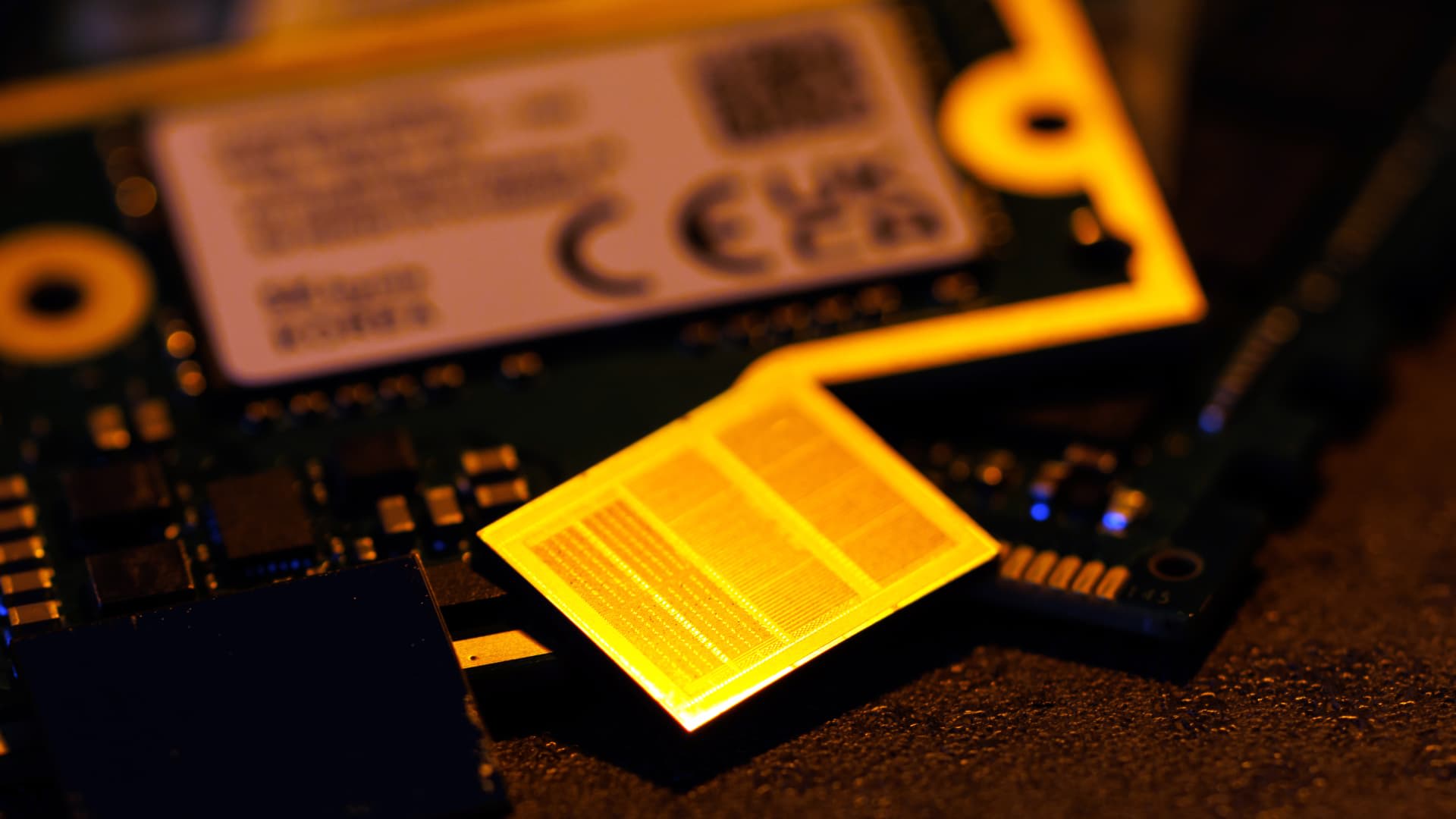
Semiconductor exports have officially surpassed oil and gas in global value, driven by the intense demand for AI-specific memory chips. However, this historic shift coincides with market volatility as investors begin to question the sustainability of current AI spending levels.
The Silicon Paradigm Shift: Semiconductors Overtake Energy
In a landmark transition for the global economy, semiconductor exports have officially eclipsed oil and gas in total value for the first time in 2026. This monumental shift, highlighted by Deutsche Bank analysis using International Trade Centre data, marks the end of an era where fossil fuels were the undisputed primary driver of global trade value. The rise of sophisticated components, such as SK Hynix’s 12-layer HBM4E memory chips, underscores how artificial intelligence has fundamentally restructured the priorities of global industrial supply chains.
The AI Engine of Global Trade
The catalyst for this transformation is the unrelenting demand for high-performance hardware capable of powering generative AI models. As computing power becomes the most vital commodity of the digital age, companies like SK Hynix and Samsung Electronics have moved to the center of the global financial stage. These memory chips, often integrated into complex modules like the LPDDR5X CAMM2, are no longer mere components; they are the essential infrastructure upon which the future of global enterprise and sovereign digital strategy is built.
South Korea as the Global Bellwether
South Korea has emerged as the definitive barometer for the health of the global AI sector. With major manufacturers like SK Hynix and Samsung Electronics headquartered there, the South Korean stock market has become a sensitive instrument for measuring investor sentiment toward artificial intelligence. The volatility seen in these markets—often characterized by violent swings linked to leveraged bets—reflects the high-stakes nature of the semiconductor industry, where supply chain disruptions or shifts in AI adoption can have immediate, cascading effects on global indices.
Market Anxiety and the Valuation Gap
Despite the milestone of semiconductors surpassing oil in export value, the industry faces a period of intense scrutiny. The current market environment is marked by an 'awkward' tension: while demand for chips remains structurally high, investors are increasingly reassessing the return on investment for massive AI expenditures. This skepticism has led to a cooling of semiconductor stock prices, suggesting that while the technological importance of chips is undeniable, the financial market is moving into a more cautious phase of price discovery.
Future Trends: Beyond the Hype
Looking ahead, the semiconductor sector will likely pivot from a phase of speculative growth to one of efficiency and specialized utility. As the industry moves past the initial rush for general-purpose AI hardware, future trends will favor companies that can provide energy-efficient, high-bandwidth memory solutions that lower the operational costs of AI data centers. The transition from 'oil as the lifeblood of industry' to 'semiconductors as the foundation of intelligence' is complete, yet the stability of this new order will depend on the industry's ability to prove long-term profitability to an increasingly wary investor base.