Senate Democrats urge SEC to scrap crypto, tokenized stock exemptions
Source Entity
Cointelegraph by Felix Ng
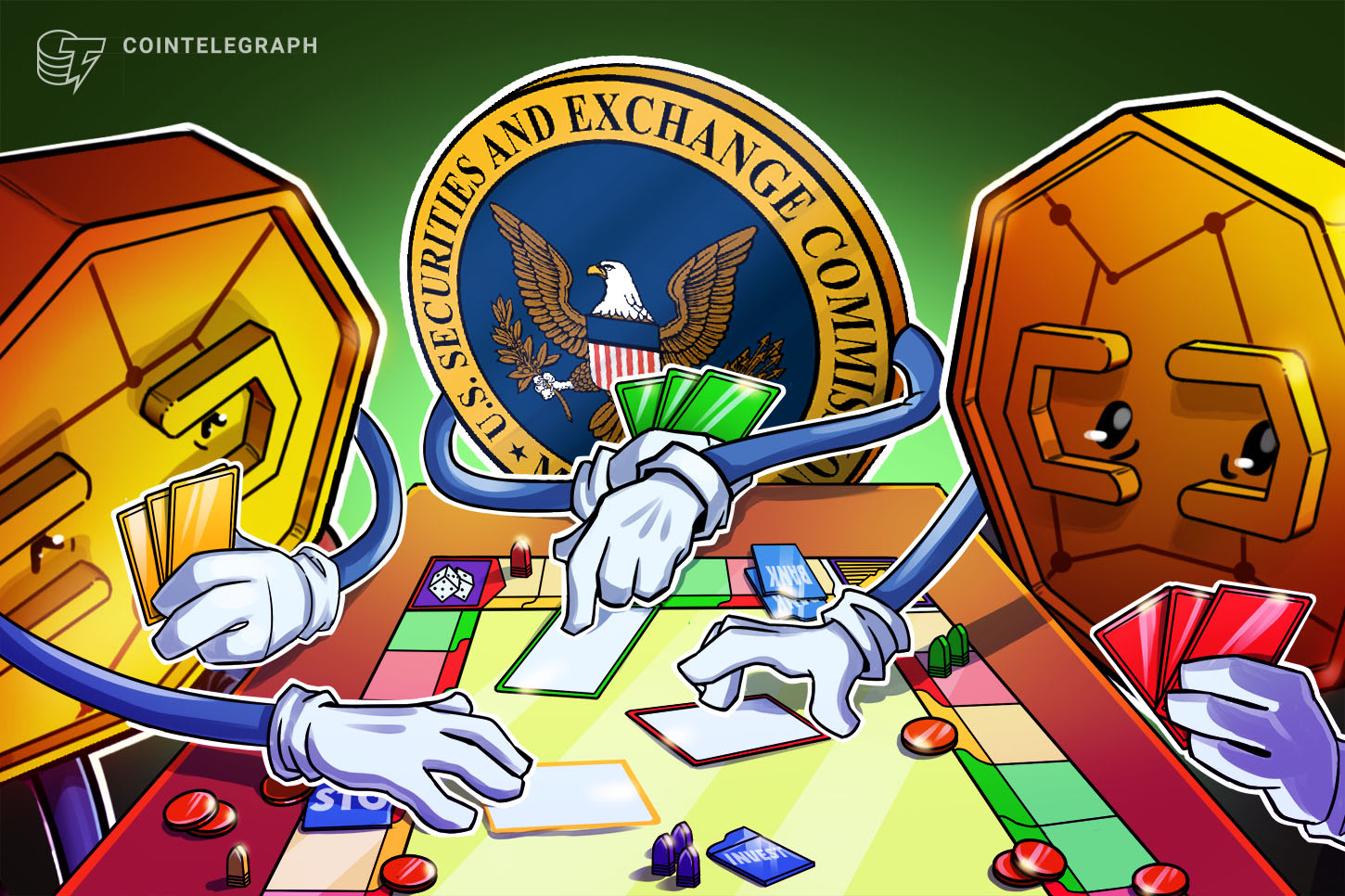
US Senators Elizabeth Warren and Chris Van Hollen are challenging SEC proposals that would ease registration requirements for crypto projects and tokenized stock platforms. The lawmakers argue these exemptions bypass statutory authority and compromise essential investor protections.
Regulatory Friction: Senators Challenge SEC Crypto Exemptions
In a significant escalation of the ongoing debate over digital asset oversight, US Senators Elizabeth Warren and Chris Van Hollen have formally challenged the Securities and Exchange Commission (SEC) regarding recent proposals to loosen regulatory requirements for the cryptocurrency sector. The lawmakers sent two distinct letters to SEC Chair Paul Atkins, asserting that the agency’s attempts to facilitate capital raising for crypto projects without standard registration—and its move to exempt tokenized stock platforms from traditional oversight—exceed the SEC's statutory mandate.
The Core Conflict: Investor Protection vs. Innovation
The fundamental tension highlighted by Warren and Van Hollen centers on the preservation of market integrity. By allowing crypto entities to solicit funds from American investors without the rigorous registration processes mandated for traditional securities, the senators argue that the SEC is effectively creating a tiered regulatory environment. This 'special treatment' for digital assets, according to the letter, risks exposing retail investors to unchecked financial products that lack the transparency and accountability required by federal securities laws.
Addressing Tokenized Securities
Beyond general crypto fundraising, the senators expressed deep concern regarding the SEC's proposed revocation of exemptions for tokenized stock platforms. Tokenization—the process of representing real-world financial assets on a blockchain—is a growing frontier in fintech. However, the lawmakers suggest that by weakening the regulatory framework for these instruments, the SEC is undermining the very protections designed to prevent fraud and market manipulation. They contend that tokenized stocks should be held to the same standards as their traditional counterparts to ensure fair market participation.
Statutory Authority and Legislative Reach
The senators’ intervention underscores a growing legislative frustration with administrative rulemaking. By framing the SEC’s recent actions as an overreach of statutory authority, Warren and Van Hollen are asserting that the SEC is attempting to bypass Congress in shaping the future of digital asset law. This critique arrives at a precarious time, as the broader legislative landscape—including the stalled CLARITY Act—remains deadlocked, leaving the SEC to navigate an increasingly complex and partisan regulatory environment through its own policy shifts.
Broader Market Implications
The pushback from these high-profile Democrats signals a hardening stance against the 'crypto-friendly' regulatory shifts that the industry has been advocating for. While industry proponents argue that current SEC requirements are stifling innovation and capital formation, the senators' stance suggests that any future regulatory relief will be met with intense scrutiny. This stalemate likely guarantees that uncertainty will persist for crypto firms and tokenized platforms seeking to operate within the United States, as the divide between legislative intent and administrative action continues to widen.
Conclusion: The Road Ahead
As the SEC faces pressure from both the crypto industry and influential members of Congress, the path forward remains highly contentious. The demand from Warren and Van Hollen to scrap these exemptions represents a critical barrier for proponents of deregulation. Ultimately, the resolution of this conflict will likely determine the extent to which digital assets are integrated into the US financial system, underscoring the vital role that federal oversight plays in maintaining the stability of modern capital markets.