LGBTQ+ people go into hiding in Senegal as hundreds are arrested
Source Entity
Sarah Johnson
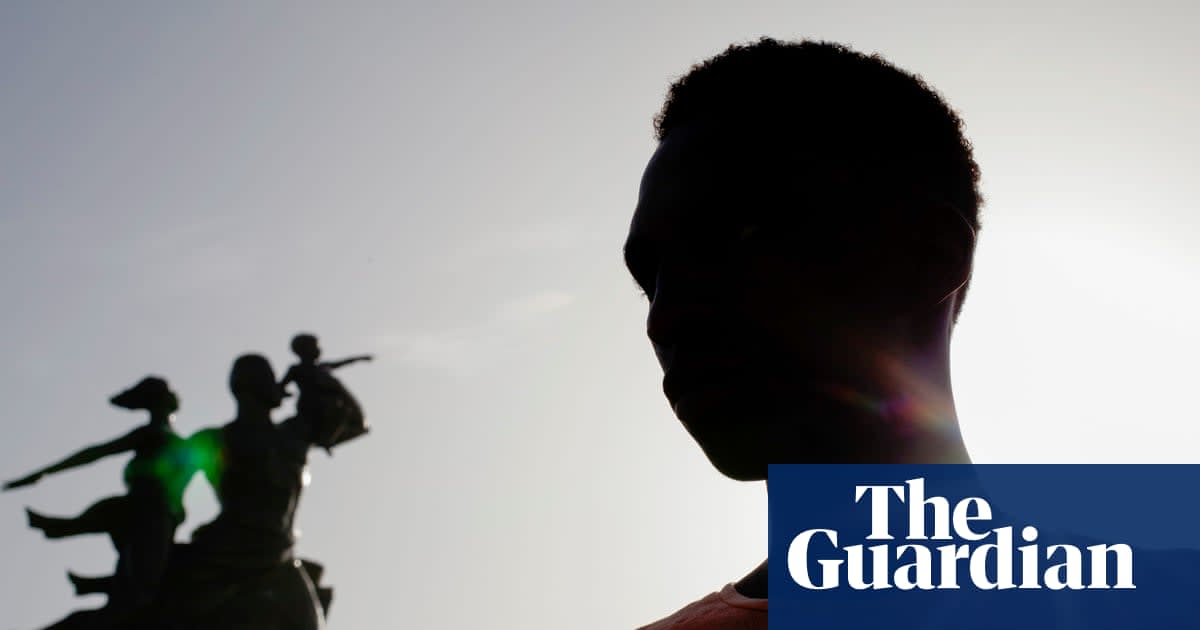
Senegal has intensified its crackdown on LGBTQ+ individuals, leading to over 320 arrests and the implementation of forced HIV testing. Recent legislative changes have doubled prison sentences for same-sex relations, raising significant concerns regarding human rights and legal due process.
The Escalating Human Rights Crisis in Senegal
A disturbing trend has emerged in Senegal, where the state is increasingly targeting the LGBTQ+ community through systematic mass arrests, forced medical testing, and the obstruction of legal defense. According to a recent report by Human Rights Watch and the HIV Justice Network, the political and legal environment for queer individuals has deteriorated sharply since February, resulting in the detention of over 320 people. This crackdown represents a significant departure from international human rights standards and signals a hardening of state policy toward marginalized groups.
Legislative Hardening and Legal Consequences
The foundation for this surge in detentions lies in the recent amendment of Senegal’s penal code. On March 11, the national parliament passed legislation that drastically increased the severity of punishment for consensual same-sex relations, doubling the maximum prison term to 10 years. This legislative move serves as a primary driver for the current climate of fear, effectively codifying discrimination and providing law enforcement with expanded authority to pursue and incarcerate individuals based on their perceived sexual orientation or gender identity.
The Weaponization of Public Health
Perhaps the most alarming aspect of the current crackdown is the intersection of criminal law and public health. The report highlights that at least 84 individuals have been charged with “voluntary HIV transmission” based solely on their HIV-positive status rather than evidence of conduct. By conflating health status with criminal activity, the state is not only violating medical privacy but also discouraging citizens from seeking necessary healthcare services, which could have devastating long-term consequences for the nation’s public health infrastructure and the fight against the HIV epidemic.
Barriers to Due Process
The situation is further exacerbated by systemic barriers preventing detainees from accessing legal representation. The inability to secure proper counsel leaves these individuals vulnerable to coerced confessions and arbitrary sentencing. This denial of fundamental legal rights underscores a broader erosion of the rule of law in Senegal, where the judiciary is increasingly being used as a tool to enforce social conservatism through punitive measures that lack international legal legitimacy.
Future Implications and Global Concern
The trajectory of these events suggests a deepening isolation of the LGBTQ+ community in Senegal, with many forced into hiding to avoid state persecution. As the international community observes these developments, the future looks bleak for human rights advocates within the country. Unless there is significant pressure from international bodies or a shift in the domestic political discourse, these policies risk cementing a cycle of state-sanctioned violence and institutionalized discrimination that will continue to marginalize vulnerable populations for years to come.