Mahmood to set out plan to deport grooming gang leader
Source Entity
BBC News
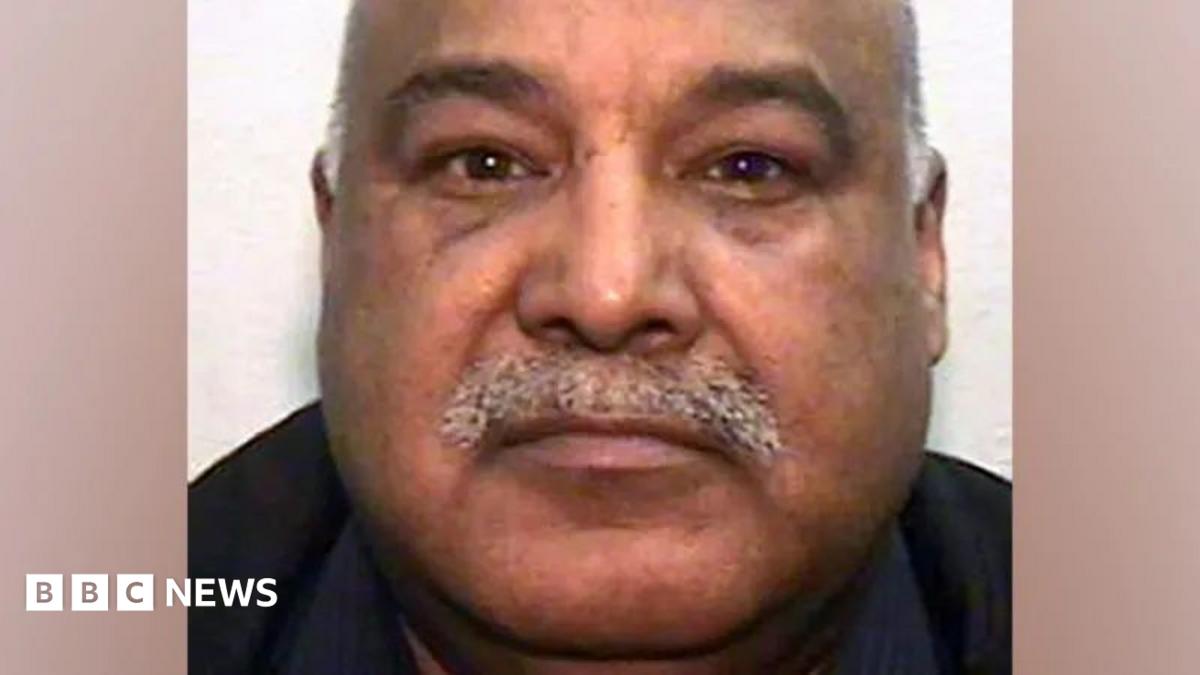
Calls have grown to deport Rochdale grooming gang ringleader Shabir Ahmed after his release from prison.
The Push for Deportation: Addressing the Legacy of the Rochdale Grooming Gangs
The announcement that Mahmood is preparing a plan to deport Shabir Ahmed, a primary ringleader of the notorious Rochdale grooming gangs, marks a critical juncture in the pursuit of justice for victims of one of the UK's most harrowing organized crime scandals. The movement to ensure Ahmed's removal from the country follows his release from prison, sparking a renewed wave of public indignation and political urgency. This development is not merely a legal procedure but a symbolic attempt to provide a sense of closure and security to a community still scarred by systemic failures.
The Shadow of the Rochdale Scandal
To understand the intensity of the calls for Ahmed's deportation, one must look back at the devastation caused by the Rochdale grooming gangs. These organized groups targeted vulnerable young girls, often from care homes, subjecting them to horrific sexual exploitation and abuse over several years. The scandal was compounded by the shocking revelation that local authorities and police had ignored warnings for years, fearing that intervening would be perceived as racially insensitive. This institutional failure allowed predators like Shabir Ahmed to operate with relative impunity for a significant period, leaving a legacy of trauma and a deep-seated distrust of state protection mechanisms.
Legal Frameworks and the Deportation Process
The plan to deport Ahmed sits within a complex legal framework regarding the removal of foreign nationals convicted of serious crimes. In the UK, the Home Office possesses the authority to deport non-citizens whose presence is deemed not conducive to the public good, particularly those convicted of severe offenses. However, such processes are often fraught with legal challenges, including appeals based on human rights laws or the risk of persecution in the destination country. By "setting out a plan," Mahmood is likely signaling a strategic legal approach designed to withstand these inevitable appeals and ensure that the deportation is executed swiftly and legally.
Public Sentiment and Political Accountability
The growing calls for Ahmed's deportation reflect a broader societal demand for accountability. For the victims and the residents of Rochdale, the release of a ringleader from prison is often viewed as an insufficient punishment given the scale of the crimes committed. The political pressure on officials to act serves as a barometer for public tolerance toward perpetrators of child exploitation. This case highlights a shift in political discourse where the priority is placed on the protection of the community and the rights of victims over the residency rights of convicted criminals.
Broader Implications for Future Cases
The outcome of the effort to deport Shabir Ahmed could set a significant precedent for how the UK handles other high-profile offenders involved in organized grooming networks. If the deportation is successful, it reinforces the message that foreign nationals who commit heinous crimes against children will face the ultimate administrative penalty of permanent removal. Conversely, any failure to deport would likely exacerbate public anger and lead to further critiques of the judicial and immigration systems. This case serves as a test of the government's resolve to prioritize public safety and victim justice in the face of complex immigration law.
Summary of the Path Forward
In conclusion, the move to deport Shabir Ahmed is a direct response to a history of systemic failure and a current climate of zero tolerance for child exploitation. While the legal road ahead may be challenging, the commitment to remove a ringleader of the Rochdale grooming gangs represents a necessary step in acknowledging the gravity of the crimes. The success of this plan will be measured not just by Ahmed's departure from the country, but by the restoration of confidence in the state's ability to protect its most vulnerable citizens.