Shell backs $23 billion LNG Canada expansion in boost to Carney's ‘energy superpower’ push
Source Entity
US Top News and Analysis
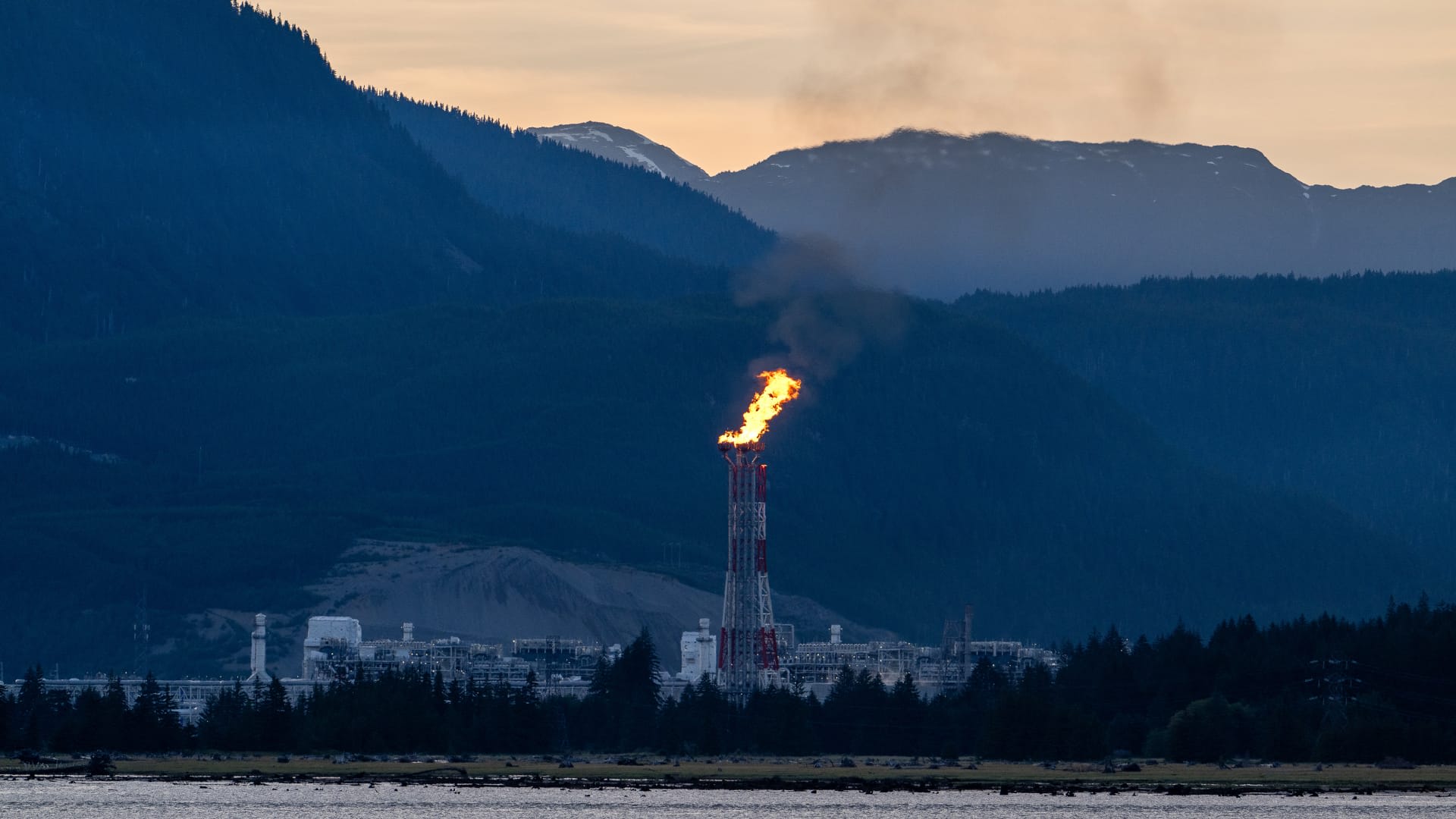
Shell and its consortium partners have committed to a $23 billion expansion of the LNG Canada project in Kitimat. This decision doubles production capacity to 28 million metric tons annually, aligning with Canada's strategic goal to become a global energy superpower.
Shell Accelerates LNG Canada Expansion
In a landmark development for the global energy landscape, a consortium led by Shell has reached a final investment decision (FID) to commit $23 billion toward the expansion of the LNG Canada project. Located in Kitimat, British Columbia, this facility is poised to double its production capacity from 14 million metric tons per annum (mtpa) to 28 mtpa. This strategic move represents a massive infusion of capital into the Canadian energy sector and underscores the project's pivotal role in the country's long-term infrastructure strategy.
Strategic Alignment with Energy Policy
This investment serves as a cornerstone for Prime Minister Mark Carney’s stated ambition to transform Canada into an 'energy superpower.' By significantly increasing the volume of liquefied natural gas available for export, the project directly addresses the current global demand for energy security. As international markets continue to grapple with supply chain disruptions, the ability of Canada to reliably export LNG positions it as a critical supplier for nations seeking to stabilize their energy portfolios.
Consortium Dynamics and Global Cooperation
The scale of the LNG Canada project is underscored by the diversity of its stakeholders. Shell maintains a leading 40% stake, but the project is bolstered by a global consortium including Malaysia’s Petronas, China’s PetroChina, and Japan’s Mitsubishi Corp. This collaboration highlights the international interest in Canadian natural gas resources and demonstrates how multinational energy partnerships are essential for managing the high capital requirements and logistical complexities inherent in large-scale LNG infrastructure.
Technological and Logistical Advancements
Beyond the raw production figures, the project emphasizes modern, efficient operations. Recent visual evidence from the Kitimat docks, featuring electric tugs assisting LNG carriers, reflects a commitment to incorporating lower-emission technologies within the maritime and terminal operations. This integration of cleaner technology is increasingly vital for projects operating within the stringent regulatory and environmental frameworks of British Columbia.
Future Implications for Energy Markets
Looking ahead, the expansion of the Kitimat facility is set to reshape Canada’s trade balance and its influence in the Asia-Pacific energy markets. By doubling throughput, the consortium is betting on sustained long-term demand for natural gas as a transition fuel. This expansion not only secures Canada's place in the competitive LNG market but also signals to global investors that the nation is open to large-scale, capital-intensive energy projects that bridge domestic extraction with global security needs.
Conclusion
The decision to move forward with the $23 billion expansion marks a definitive moment for Canada's energy sector. By scaling up operations in Kitimat, Shell and its partners are effectively positioning the region as a primary node in the global energy supply chain, directly supporting national policy goals while addressing the pressing need for reliable, secure energy sources in a volatile global economy.