India skipper Shubman Gill walks off field, retires hurt vs England in 1st ODI
Source Entity
The Indian Express
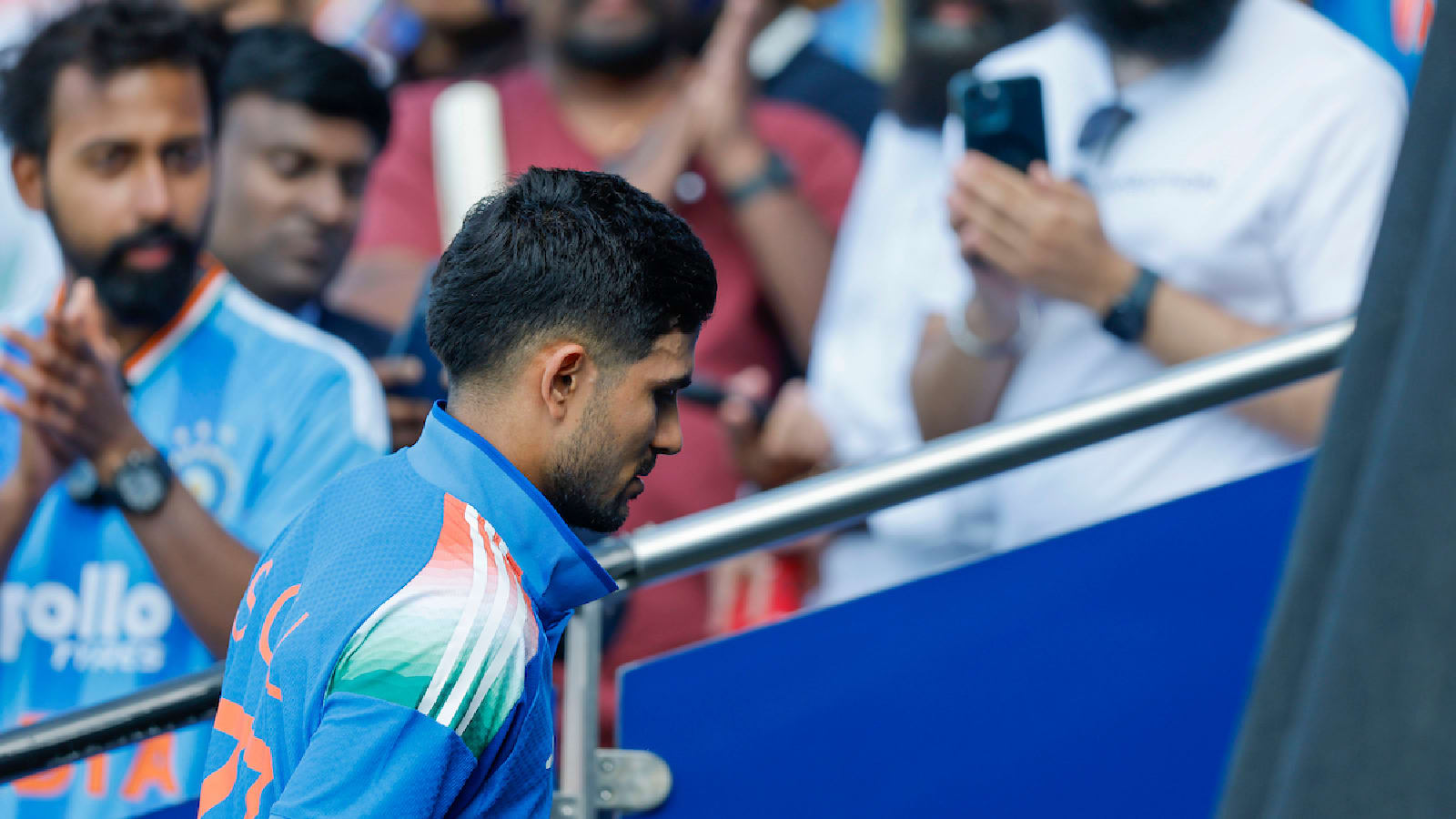
India captain Shubman Gill was forced to retire hurt during the first ODI against England at Edgbaston on July 14, 2026, creating an immediate leadership vacuum and tactical challenge for the Indian team.
Unexpected Blow: Shubman Gill Retires Hurt at Edgbaston
In a dramatic turn of events during the opening match of the ODI series between India and England, Indian captain Shubman Gill was forced to retire hurt, walking off the field at Edgbaston on July 14, 2026. The sight of the captain leaving the crease prematurely sent shockwaves through the stadium and the Indian dugout, immediately shifting the momentum of the game. This incident is not merely a loss of a key batsman but a significant blow to the strategic core of the Indian side, as Gill's presence at the top of the order is central to India's modern batting blueprint.
Immediate Tactical Disruptions
The sudden departure of Gill creates an immediate void in both the batting order and the on-field leadership. When a captain retires hurt, the team loses its primary decision-maker in real-time, forcing the vice-captain to step into a high-pressure environment without the usual preparation. For India, Gill's absence means the middle order is exposed earlier than planned, potentially forcing the team to adopt a more defensive posture to protect their wickets. The psychological impact of seeing the leader injured can often lead to a dip in team morale, especially in the high-intensity atmosphere of an away series in England.
The Pressure of Leadership and Physical Toll
This injury highlights the immense physical and mental toll placed on modern cricket captains who are also expected to be primary run-scorers. As the captain of the Indian national team, Gill carries the dual burden of tactical orchestration and individual performance. The intensity of the Edgbaston pitch, known for its challenging conditions and aggressive English bowling attacks, often leads to high-impact collisions or strain injuries. This event underscores the precarious nature of relying on a single player for both leadership and top-order stability, suggesting a need for deeper leadership redundancy within the squad.
Edgbaston: A Venue of High Stakes
Historically, Edgbaston has been a venue where matches are won and lost on the margins of fitness and mental fortitude. The Birmingham crowd is famously vocal, and the pitch often rewards disciplined seam bowling that can put batsmen under immense pressure. By losing Gill in the first ODI, India loses a player who has specifically trained to handle these conditions. The historical context of India's tours to England shows that early setbacks in the first match often dictate the psychological trajectory of the entire series, making this injury a potentially pivotal moment for the tour's outcome.
Long-term Implications for the Series
Looking ahead, the severity of Gill's injury will be the deciding factor for the remainder of the series. If the injury is acute, India may be forced to shuffle their lineup, potentially bringing in a reserve opener or promoting a middle-order player. This lack of stability at the top can lead to a cascade of failures throughout the batting order. Furthermore, the England camp will likely view this as a strategic advantage, seeking to exploit the temporary instability in India's leadership and batting structure in the subsequent matches.
Conclusion
Shubman Gill's exit from the 1st ODI is a critical juncture for the Indian team. While the squad possesses depth, the loss of a captain-batsman in the opening game of a prestigious series is a worst-case scenario. India must now demonstrate resilience, proving that their system can function effectively even when its primary leader is sidelined. The medical report on Gill will be the most anticipated update for fans and analysts alike, as it will determine whether India can recover their full strength or if they must navigate the English summer with a depleted leadership core.