SIR notices to 38 members of Iranian-origin family in Jharkhand
Source Entity
TNN
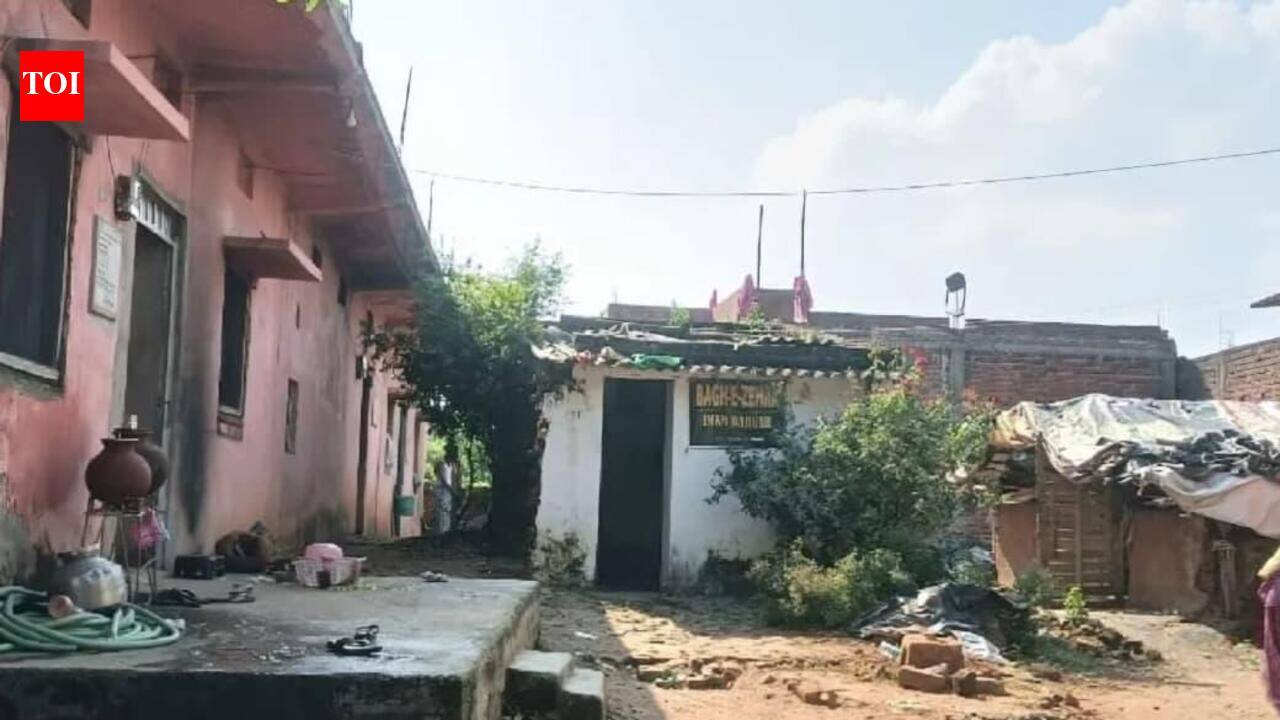
Authorities in Jharkhand have issued Special Investigation Report (SIR) notices to 38 members of an Iranian-origin family. The individuals, residing in Garhwa Nagar, are currently under administrative review.
Administrative Scrutiny in Garhwa
The issuance of Special Investigation Report (SIR) notices to 38 members of an Iranian-origin family residing in the Garhwa district of Jharkhand marks a significant administrative development. The family, currently domiciled within wards 1 and 3 of the Garhwa Nagar Parishad, has become the subject of official inquiry as local authorities move to verify residential and legal documentation. Such notices are typically utilized to cross-reference personal data against municipal and national records to ensure compliance with local stay regulations.
Contextualizing Residency Verification
The administrative focus on this specific family highlights the complexities of tracking international residents in semi-urban municipal areas. In Jharkhand, as in many parts of India, municipal bodies like the Garhwa Nagar Parishad are tasked with maintaining rigorous records of all residents, particularly those of foreign origin. The use of SIR notices serves as a procedural mechanism to establish the legitimacy of stay and to ensure that all individuals residing within the jurisdiction are properly documented under current legal frameworks.
Broader Implications for Local Governance
This event underscores the broader challenges faced by local governing bodies in managing migration and residency documentation. By targeting a large group—38 members of a single extended family—the authorities are likely attempting a comprehensive audit of the household's status. This action reflects an ongoing trend of increased vigilance regarding the documentation of foreign nationals at the grassroots level, ensuring that municipal records remain transparent and up-to-date.
Historical and Legal Frameworks
Historically, the verification of foreign nationals in India is governed by the Foreigners Act and various visa compliance protocols. When local authorities notice inconsistencies or require further documentation, they trigger formal investigative processes. For a family of this size, the administrative burden of proof regarding their legal status in Garhwa requires meticulous coordination between local municipal officials and district-level administrative oversight.
Future Trends in Administrative Oversight
Looking forward, it is likely that municipal authorities will continue to utilize such investigative reports to maintain order and data accuracy. As residency tracking becomes more digitized, the ability of local bodies to identify and verify the status of foreign-origin residents will improve. This case serves as a clear indicator that local administrations are prioritizing the formalization of residency records, which may lead to more frequent audits of similar demographics in the future.
Conclusion
The situation involving the 38 individuals in Garhwa is a reminder of the intersection between local municipal governance and international residency law. While the process is currently centered on administrative verification, the outcome will depend on the family's ability to provide the necessary documentation to satisfy the SIR requirements. This case reflects the ongoing commitment of state authorities to maintain rigorous residency standards within the Garhwa Nagar Parishad.