Internet says sleeping without a pillow is better for your health. But is it really good for your neck and spine?
Source Entity
Latest News: Todays Latest News Headlines from India & World | Hindustan Times | Hindustan Times
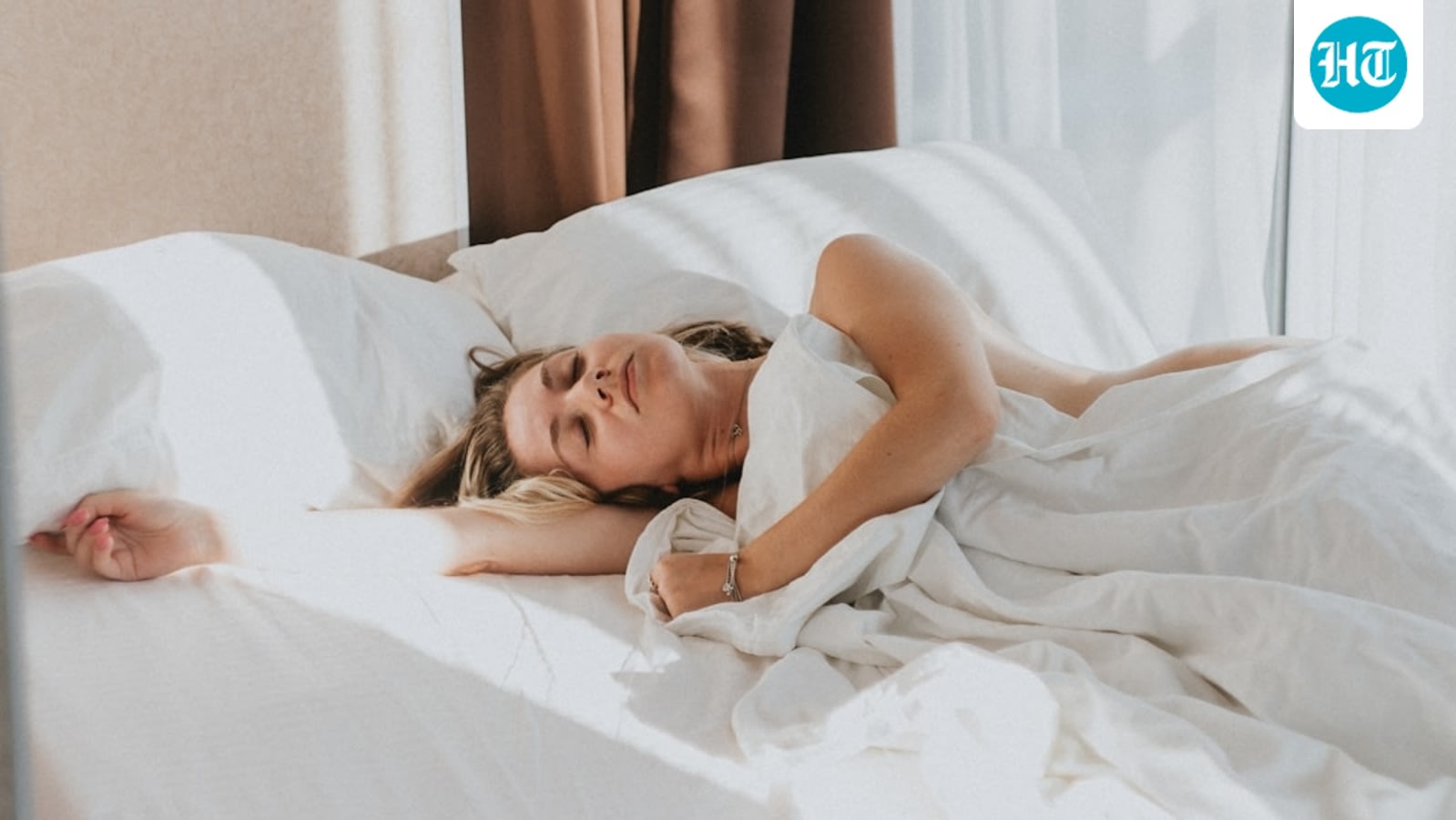
Social media trends suggest sleeping without a pillow improves posture and sleep quality. However, medical experts warn that the benefits are highly subjective and depend on individual sleeping positions and spinal alignment.
The Pillowless Debate: Separating Online Trends from Orthopedic Reality
In the era of viral wellness trends, social media platforms are increasingly serving as hubs for health advice that often lacks clinical nuance. A prominent trend currently circulating suggests that abandoning the pillow entirely can lead to superior posture, better spinal alignment, and improved sleep quality. While the simplicity of this claim appeals to those seeking minimalist health hacks, medical professionals emphasize that the human body’s physiological requirements for rest are far more complex than a single lifestyle adjustment can address.
The Role of Spinal Alignment
At the core of the debate is the necessity of maintaining a neutral spine during sleep. Orthopedic specialists, including Dr. Sharmila Tulpule, note that the primary function of a pillow is to bridge the gap between the mattress and the head, ensuring the cervical spine remains in alignment with the rest of the body. When this alignment is compromised, it can lead to muscle strain, nerve compression, and chronic discomfort. Therefore, the decision to remove a pillow is not a one-size-fits-all solution but rather a variable that must be weighed against individual anatomy.
Impact of Sleeping Positions
Experts stress that the efficacy of sleeping without a pillow is fundamentally tied to one's preferred sleeping position. For those who sleep on their backs, a pillow is generally recommended to support the natural curve of the neck. Conversely, side sleepers often require a thicker pillow to maintain a straight line from the head to the thoracic spine. Without this support, side sleepers may experience significant neck tilt, leading to potential long-term musculoskeletal issues. The internet's generalized advice often fails to account for these distinct biomechanical needs.
Individualized Health Needs
Beyond standard posture, individual health factors such as existing neck injuries, degenerative disc disease, or sleep apnea play a crucial role in how one should configure their sleeping environment. For some, a firm, supportive pillow is a medical necessity to alleviate pressure points. For others, a thinner profile might be beneficial. Dr. Tulpule’s insights suggest that before adopting a 'pillowless' lifestyle, individuals should consult with healthcare providers to assess whether such a change aligns with their specific orthopedic requirements.
The Future of Sleep Ergonomics
As we look forward, the trend of questioning traditional sleep accessories highlights a growing public interest in ergonomic optimization. While the 'pillowless' trend may be an oversimplification, it opens a necessary dialogue about the importance of mattress quality, pillow density, and sleep posture awareness. Rather than following viral trends blindly, consumers are encouraged to focus on personalized sleep hygiene that prioritizes comfort and spinal health over aesthetic or minimalist ideals.
Conclusion
In summary, while the claim that sleeping without a pillow is inherently 'healthier' has gained traction, scientific consensus suggests a more cautious approach. There is no universal evidence to support the total elimination of pillows for all individuals. Instead, the focus should remain on how specific sleeping habits interact with one's unique physical structure, ensuring that the neck and spine are properly supported throughout the night to prevent unnecessary health complications.
Verification Required?