Taken by one of the big four: Snakebite at Maharashtra tribal school
Source Entity
India Latest News: Top National Headlines Today & Breaking News | The Hindu
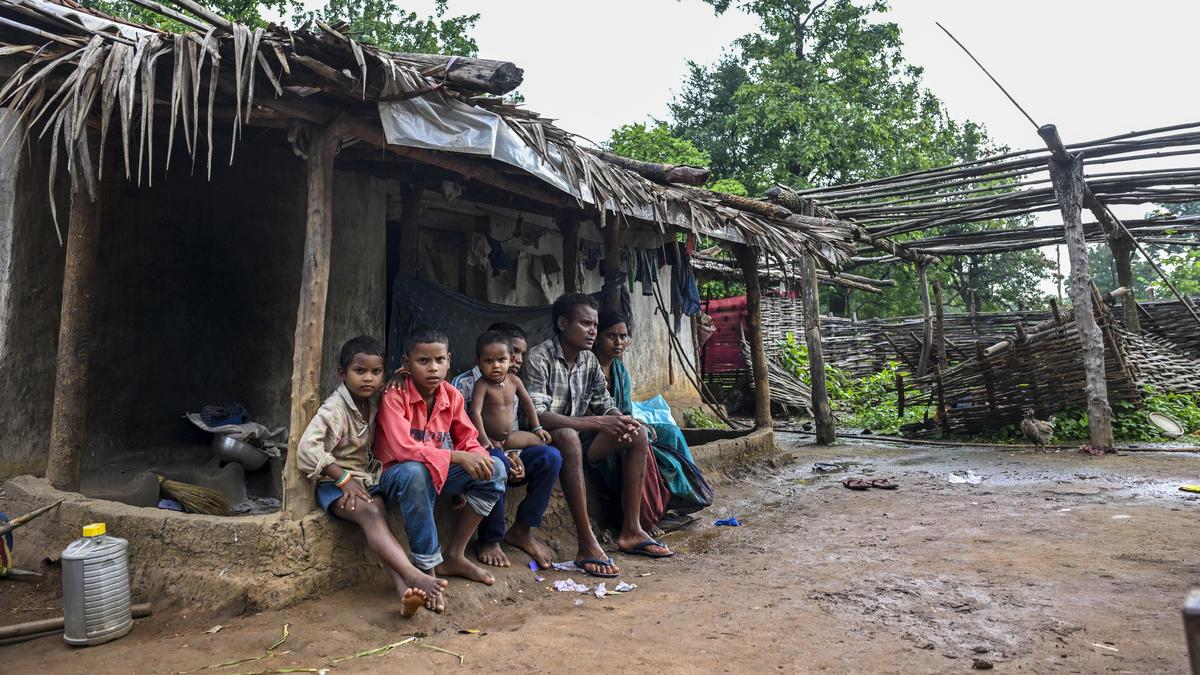
A common krait bite at a tribal residential school in Gadchiroli, Maharashtra, resulted in the tragic deaths of three young girls. This incident highlights severe systemic neglect and safety failures in the region's tribal education infrastructure.
A Tragedy in the Heart of Gadchiroli
The recent tragedy at a tribal residential school in Japtalai village, Gadchiroli, has sent shockwaves through the region, exposing the perilous conditions faced by students in Maharashtra’s remote, forested districts. A common krait—one of the 'big four' venomous snakes responsible for the highest number of snakebite incidents in India—entered the school premises and bit six young girls while they were sleeping. The incident, which claimed the lives of three students including eight-year-old Anu Koreti, serves as a grim reminder of the vulnerability of children residing in state-aided tribal institutions.
The Failure of Institutional Safety
For families like the Koreti’s, these private, aided Ashram Schools represent the only bridge between generational poverty and a brighter future. The irony of the situation is profound: children gathered to celebrate World Tribal Day on August 9, honoring their heritage and discussing empowerment, only to face a lethal threat within the very walls intended to protect and educate them. The fact that a venomous snake could access a dormitory and strike multiple children suggests a catastrophic failure in facility maintenance, infrastructure security, and basic emergency preparedness.
Governance and the Tribal Education Crisis
This incident is not merely an isolated accident but a symptom of broader governance issues plaguing tribal education in Maharashtra. Ashram Schools, designed to provide education to the Gond community and other scheduled tribes in deep forest areas, often suffer from inadequate infrastructure. Poorly maintained buildings, lack of secure flooring, and a general absence of pest control protocols in these high-risk ecological zones reflect a systemic apathy toward the safety of tribal students.
Historical Context and Regional Risks
Gadchiroli, characterized by its dense forests and rugged terrain, is a natural habitat for the common krait. While human-wildlife conflict is an ongoing reality in such regions, the responsibility of the state and school administrators is to mitigate these risks through structural fortification and rapid medical response protocols. The lack of immediate medical intervention after the bite suggests that these remote schools remain dangerously isolated from the healthcare network, leaving children defenseless against predictable environmental hazards.
Future Implications and Policy Needs
The loss of these young lives mandates an immediate audit of all residential schools operating in forested regions across Maharashtra. Empowerment, as discussed during the World Tribal Day celebrations, cannot exist without the assurance of physical safety. Moving forward, the government must prioritize the hardening of school infrastructure—ensuring vermin-proof dormitories, implementing regular health and safety inspections, and establishing 24/7 emergency medical transport for institutions located in high-risk zones.
Conclusion
The tragedy at Japtalai is a devastating indictment of the current state of tribal welfare in Maharashtra. To honor the memory of Anu Koreti and her peers, authorities must move beyond performative empowerment and address the foundational failures that allowed this event to occur. Only by ensuring that schools are safe, secure, and medically accessible can the state truly fulfill its promise to the tribal communities it serves.
Verification Required?