How long will software-defined cars last? The auto industry doesn't know yet
Source Entity
US Top News and Analysis
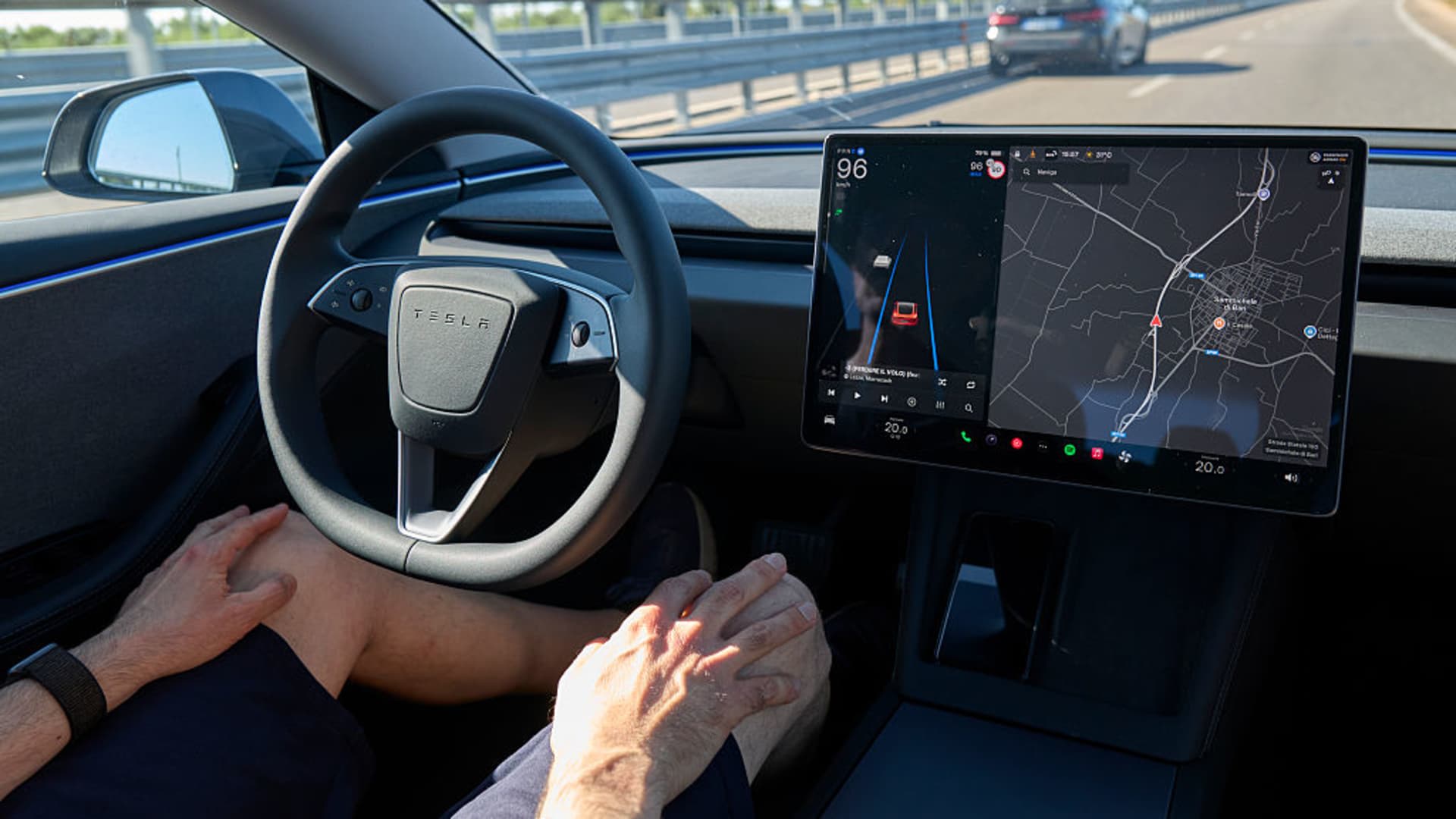
The automotive industry is shifting toward software-defined vehicles that evolve over time via updates. However, concerns persist that these complex, tech-reliant cars may have shorter lifespans, mirroring the rapid obsolescence cycles of consumer electronics.
The Paradigm Shift: From Mechanical to Digital
The automotive landscape is currently undergoing a fundamental transformation, moving away from purely mechanical engineering toward 'software-defined vehicles.' As noted by industry reports, these vehicles integrate sophisticated computers to manage core functions, moving beyond the traditional hardware-centric design of the 20th century. This shift allows for over-the-air (OTA) updates, enabling manufacturers to fix bugs remotely and introduce new features long after the car has left the factory floor.
The Longevity Paradox
While the ability to upgrade a vehicle digitally presents a clear value proposition, it introduces a significant paradox regarding vehicle longevity. Americans are currently holding onto their vehicles for an average of 12.8 years, a trend that suggests consumers value durability and long-term reliability. However, analysts are increasingly concerned that the hardware supporting these advanced software suites may not be built to last for over a decade. If the underlying computing architecture becomes obsolete, the vehicle may effectively become a 'brick' even if the mechanical chassis remains functional.
The Smartphone Comparison
There is a growing fear that modern cars will age similarly to smartphones. In the consumer electronics market, devices are often rendered obsolete not by mechanical failure, but by the inability to support newer, more demanding operating systems and software patches. If automakers follow this model, the 'software-defined' nature of these cars could ironically lead to shorter life cycles, as the high-speed connectivity and processing requirements eventually outpace the integrated hardware.
Implications for Maintenance and Value
This evolution changes the very nature of vehicle maintenance. Previously, a mechanic could diagnose a car through physical inspection and mechanical knowledge. Now, with cars constantly connected to communication networks, automakers can remotely diagnose and perform fixes. While this convenience is a benefit, it also centralizes control. If a manufacturer decides to sunset support for a specific model, the owner’s ability to maintain or enhance that vehicle’s functionality could be severely restricted.
Future Trends and Industry Outlook
Looking ahead, the industry faces a critical challenge: balancing technological innovation with the traditional expectation of long-term automotive durability. To avoid early obsolescence, manufacturers may need to prioritize modular hardware designs that allow for future computing upgrades. Without such foresight, the industry risks alienating consumers who rely on their vehicles to last well beyond the typical three-to-five-year electronics upgrade cycle.
Conclusion
Ultimately, the software-defined vehicle represents a double-edged sword. While it promises a car that is 'never stale' and constantly improving, it also introduces systemic risks related to electronic longevity. As the average age of U.S. vehicles continues to climb, the industry must demonstrate that these advanced, connected machines can withstand the test of time as effectively as their mechanical predecessors.