Day 17 of hunger strike: Sonam Wangchuk loses 8.2kg, calls to end fast grow
Source Entity
TOI NEWS DESK
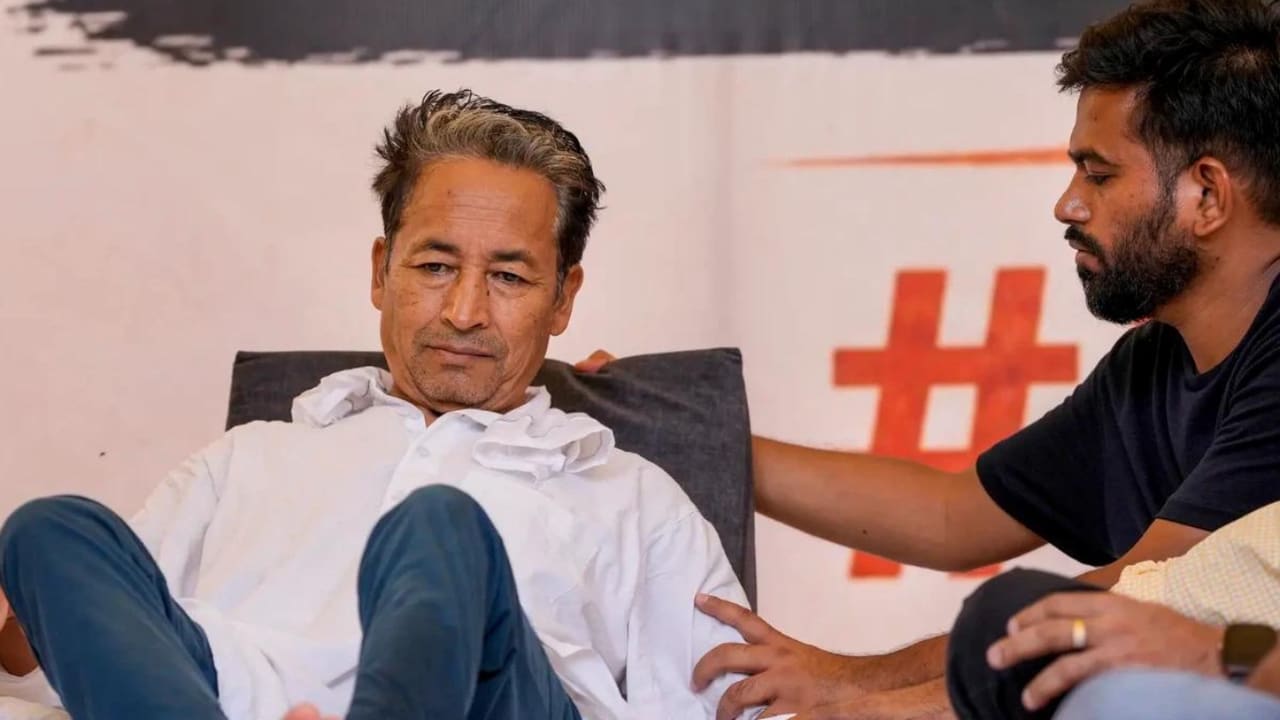
Wangchuk has lost 8.2 kg since beginning his hunger strike on June 28 NEW DELHI: Several opposition leaders on Tuesday appealed to educator and climate activist Sonam Wangchuk to end his indefinite h...
The Critical State of Sonam Wangchuk's Hunger Strike
On the 17th day of his indefinite hunger strike, prominent educator and climate activist Sonam Wangchuk has reached a critical physical threshold, having lost 8.2 kg since the commencement of his fast on June 28. This significant weight loss underscores the severity of his protest and the desperation felt by the people of Ladakh. The situation has now escalated beyond a mere political demonstration to a medical concern, prompting several opposition leaders to issue urgent appeals for him to end his fast to avoid permanent health complications or a fatal outcome.
The Roots of the Protest: Ladakh's Constitutional Struggle
To understand the gravity of Wangchuk's fast, one must look at the broader context of Ladakh's political landscape. Since the reorganization of Jammu and Kashmir in 2019, which saw Ladakh become a separate Union Territory, there has been a growing sense of disenfranchisement among the local population. Wangchuk is striking to demand constitutional safeguards for Ladakh, specifically requesting inclusion under the Sixth Schedule of the Indian Constitution. This schedule is designed to protect the tribal populations and the unique cultural and land rights of indigenous communities, preventing the exploitation of the region's fragile ecology by external industrial interests.
Physiological Impact and the Stakes of Indefinite Fasting
Loss of 8.2 kg in just over two weeks is a stark indicator of the physiological toll this strike is taking. Rapid weight loss during a hunger strike often involves the breakdown of muscle mass and the depletion of essential electrolytes, which can lead to organ stress, particularly affecting the heart and kidneys. By pushing his body to this limit, Wangchuk is utilizing his own health as a tool of political leverage, aiming to create a moral crisis for the central government. The physical deterioration serves as a visible manifestation of the 'attrition' that the people of Ladakh feel they are experiencing under current administrative policies.
Political Dynamics and Opposition Response
The intervention of opposition leaders on Tuesday indicates that the strike has successfully captured the national political imagination. While these leaders support the underlying cause of Ladakh's autonomy and environmental protection, their calls for Wangchuk to end the fast reflect a strategic concern. A health catastrophe involving a figure as respected as Wangchuk could potentially spark wider, more volatile unrest across the region. The opposition is walking a fine line between amplifying the demands of the protest and preventing a tragedy that could lead to a chaotic escalation of tensions between the local populace and the state.
Environmental Implications and the Himalayan Crisis
Beyond the political demands, Wangchuk's activism is deeply rooted in climate science. The Ladakh region is one of the most climate-vulnerable areas in the world, facing receding glaciers and unpredictable weather patterns that threaten the very existence of its high-altitude communities. By linking the demand for the Sixth Schedule to environmental preservation, Wangchuk argues that local governance is the only way to ensure sustainable development. This connects the hunger strike to a global discourse on indigenous sovereignty and the necessity of local stewardship in the fight against climate change.
Future Outlook and Potential Resolutions
Moving forward, the trajectory of this event will likely depend on whether the central government agrees to a formal dialogue or offers a concrete timeline for the implementation of safeguards. If the government remains silent as Wangchuk's health continues to decline, the risk of spontaneous mass protests in Ladakh increases significantly. Conversely, a diplomatic resolution—perhaps in the form of a high-level committee—could provide Wangchuk with a 'face-saving' exit from his fast while ensuring the region's demands are documented and addressed.
Summary
Sonam Wangchuk's 17-day hunger strike is more than a personal sacrifice; it is a high-stakes gambit to secure the future of Ladakh. With a weight loss of 8.2 kg, the activist has brought national attention to the region's demand for Sixth Schedule protections. The intersection of health risks, political pressure from opposition leaders, and the urgent need for environmental safeguards makes this a pivotal moment for the administration of the Union Territory.